Amtrak’s Adirondack route has been rated one of the top ten most scenic train rides in the world, according to Amtrak’s own route page, and every fall it earns that ranking twice over as the Hudson Valley and the Lake Champlain shoreline turn orange and gold along the ten-hour run between New York City and Montreal. Meanwhile, the classic version of a fall foliage trip — driving winding two-lane roads behind a line of rental cars, hunting for parking at every overlook — is exactly the experience most leaf-peepers dread and plan around anyway. A scenic train route skips essentially all of it. No traffic, no parking, no navigating; just a window seat and a few hundred miles of trees doing something dramatic.
Why Driving Fall Foliage Routes Gets Old Fast
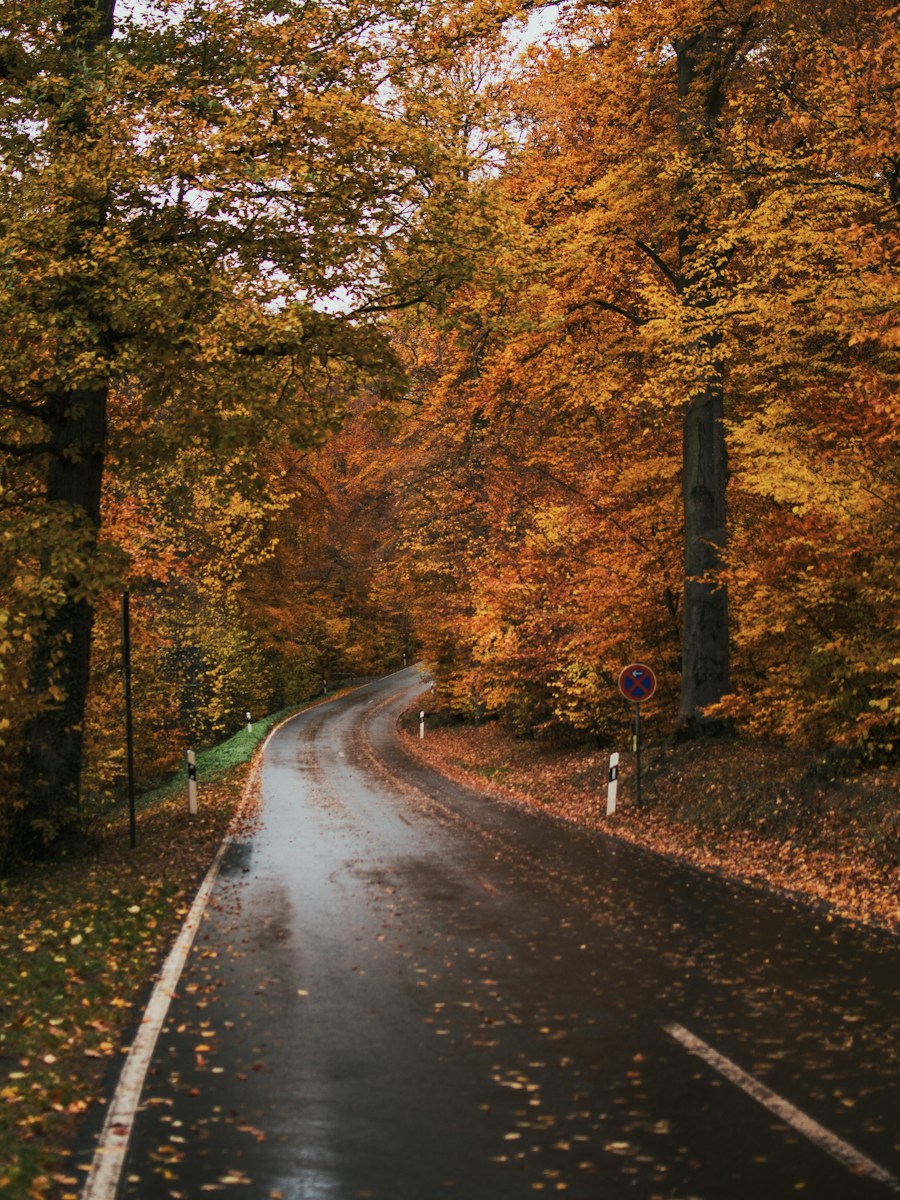
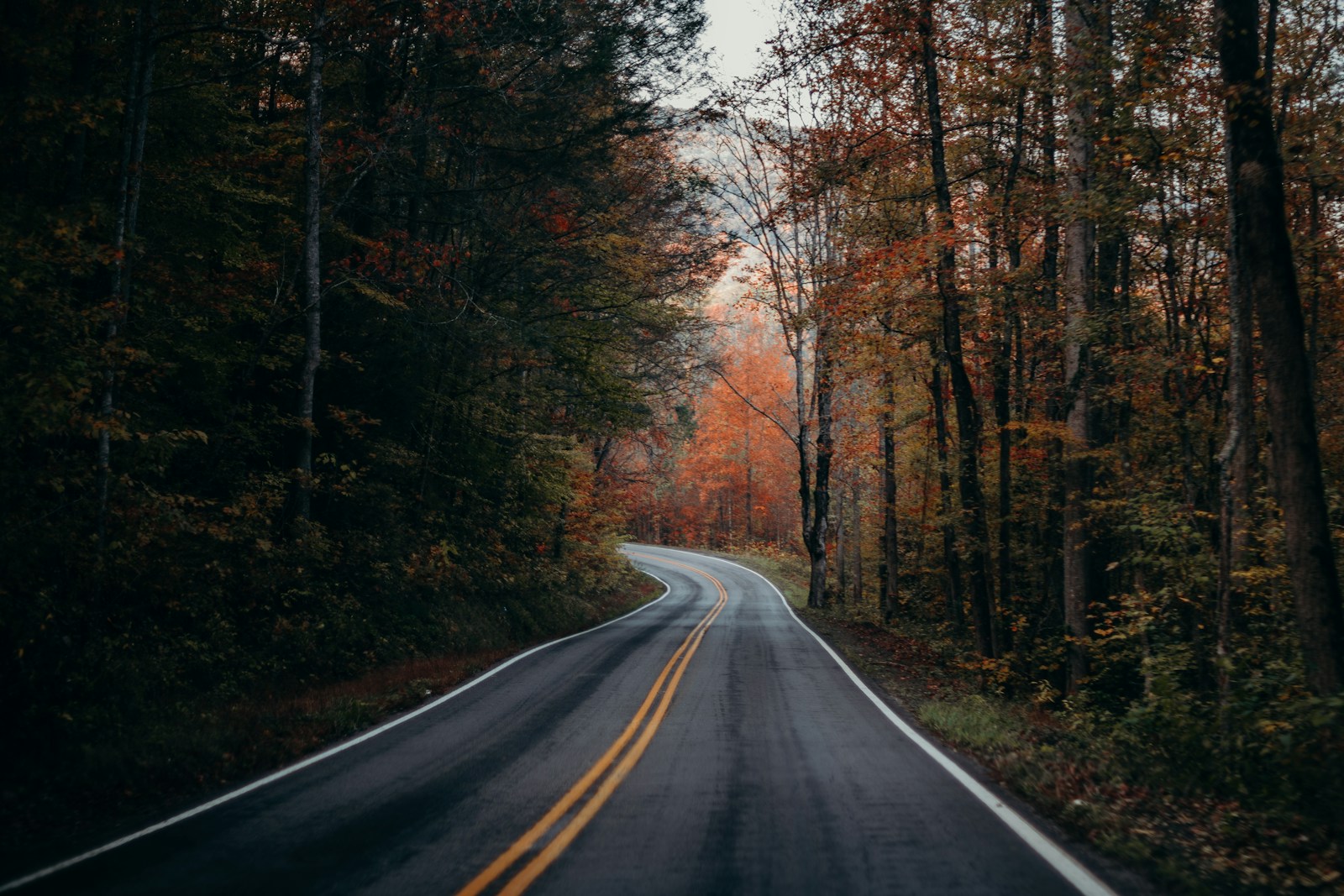
The classic New England or Hudson Valley foliage drive sounds idyllic in theory and gets tedious fast in practice. Peak color weekends bring out every driver within a three-hour radius trying to hit the same overlooks at the same time, which means the “scenic drive” often turns into stop-and-go traffic behind someone else’s rental car, with no good place to actually pull over and look at anything. Trains solve this by design — the route doesn’t get more congested because more people want to see it, and nobody in the group has to keep their eyes on the road instead of the window.
What the
Route Actually Covers
The Adirondack runs daily along a corridor Amtrak itself promotes for autumn travel, describing a landscape where, in the company’s words, “hikers, leaf peepers and snow lovers make annual pilgrimages to Lake Champlain’s shores” to see what it calls “nature’s kaleidoscope of colors.” The route serves 19 stations along the way, running through Hudson Valley wine country before tracking the Adirondack Mountains and the Lake Champlain shoreline on its way to the Canadian border. Onboard amenities include café service and Wi-Fi, and the route accommodates bicycles on the New York-to-Rouses Point segment for travelers who want to combine the train with some riding once they’ve reached foliage country.
Maine and New Hampshire Have Their Own Version
Further north and east, Amtrak’s Downeaster covers a different but comparably scenic stretch, running between Boston and Brunswick, Maine, with the most reliable foliage views concentrated on the segment between Brunswick and Dover, New Hampshire. Fares on shorter hops along the route are notably cheap — a ticket between Dover and Exeter, New Hampshire, runs about $7 — which makes it realistic to treat a foliage trip as a series of short, flexible day hops rather than one long committed itinerary. Travelers chasing White Mountains color specifically often pair a Downeaster leg with New Hampshire’s Conway Scenic Railroad, a slower, dedicated excursion train that tends to sell out during peak color weekends given how narrow that window actually is.
Timing Matters More Than the Route Choice
Foliage timing varies enough by latitude and elevation that a route picked two weeks too early or too late can miss the color window entirely, so it’s worth checking state tourism foliage trackers closer to travel dates rather than booking purely off a calendar guess. Northern New England and the high elevations along the Adirondack corridor typically peak first, in late September into early October, while the Hudson Valley segment further south tends to hold color a week or two longer. Booking a flexible-date ticket, where the fare class allows it, hedges against a color window that shifts earlier or later than expected in a given year.
The Case for Skipping the Car Entirely
None of this requires giving up the classic fall road-trip experience forever — it just makes the case that the drive isn’t actually the best way to see the drive-worthy scenery. A train route through the same mountains removes the traffic, the parking search, and the driver who doesn’t get to look at anything, while still delivering the exact view everyone’s chasing on those roads in the first place.
Making a Weekend Out of It
Both routes work well as a base for a short trip rather than a single long day. Riding the Adirondack up to a stop like Westport or Port Kent, staying a night, and riding back the next day turns a scenic ride into an actual weekend rather than an exhausting there-and-back haul behind the wheel. The Downeaster’s cheap short-hop fares make an even lower-commitment version possible — a single afternoon out to a foliage-heavy stretch of the route and back, without needing a hotel or a rental car reservation at all. Neither approach requires the kind of advance planning a big road trip does, which matters given how short the actual peak-color window tends to be in any given location.
Who This Actually Suits Best
A scenic train isn’t a total replacement for every kind of fall trip — someone who wants to stop at a specific orchard, hike a particular trailhead, or detour to a covered bridge on a whim still needs a car for that flexibility. But for the specific experience most people actually picture when they imagine a foliage trip — sitting back and watching color-drenched hills roll past a window — the train delivers that exact moment without the parts of a driving trip that make it stressful. It’s a trade worth making for anyone whose ideal fall outing is the view itself, not the errand of getting to it.