Economists pore over jobs reports and consumer spending charts to figure out where the economy is headed. A food delivery driver who posts as @flameheartsanrblx says she doesn’t need any of that. She can see it from behind the wheel. In a short video, she shared the one change on her route that worries her most: her most loyal customers have nearly stopped ordering.
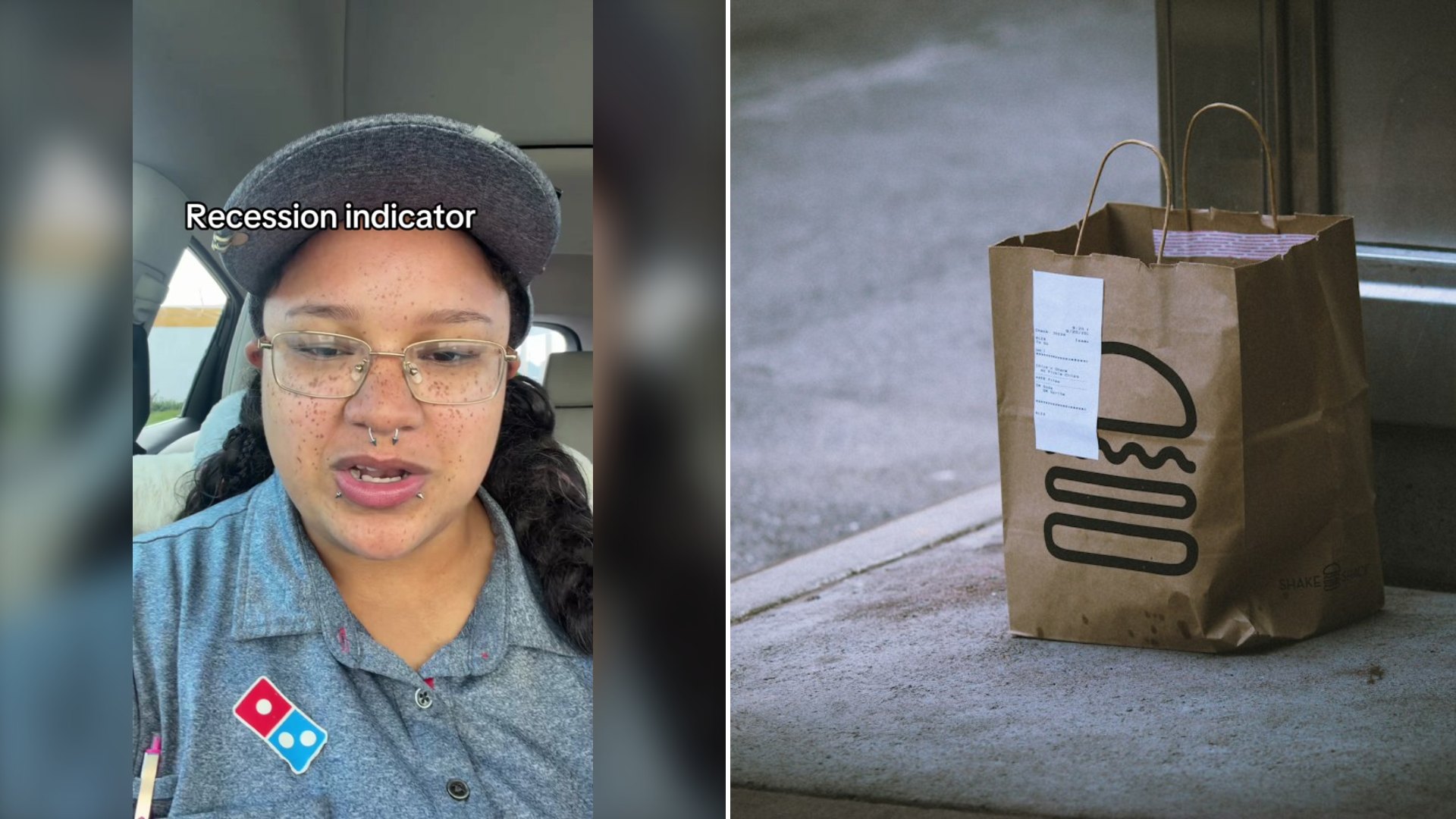
“One of the biggest recession indicators that I notice is that my usual regular customers that I deliver to haven’t been delivering,” she said.
These weren’t occasional customers. “Mind you, these people order every other day,” she explained. “Now it’s like once a month.”
Her verdict was blunt. “That is the biggest recession indicator right there.”
She tagged the video with recession and recession indicator hashtags to make her point plain.
@flameheartsanrblx
Why Delivery Is Often the First Thing to Go
A single driver’s route isn’t a national economic report, and whether the country is headed into a recession is a question even professional forecasters argue about. But her observation makes a lot of sense, because food delivery is exactly the kind of spending families tend to cut first when money gets tight.
Ordering every other day adds up fast. A meal that costs $15 at the counter can easily run $25 to $30 or more once you add delivery fees, service fees, the markups some restaurants charge on delivery apps, taxes, and a tip for the driver. For a household ordering three or four times a week, that can mean several hundred dollars a month.
When grocery bills, rent, insurance, and utilities climb, that convenience spending is one of the easiest places to trim. Cooking at home, or at least picking up the food yourself, can cut the cost of the same meal dramatically. Economists call this kind of spending “discretionary,” and it’s often one of the first places a slowdown shows up.
It also shows how directly delivery drivers feel these shifts. Many work as independent contractors, paid per trip plus tips. When regular customers stop ordering, a driver’s income can drop quickly, and there’s no salary to fall back on.
How to Enjoy Takeout Without the Sticker Shock
Most of us don’t want to give up a night off from cooking entirely. If you love the convenience of takeout but want to spend less, these tips can help.
Pick it up yourself. Ordering ahead for pickup usually skips the delivery and service fees. Many restaurants also offer lower prices when you order directly from them rather than through a third-party app.
Compare menu prices. Pull up the restaurant’s own website or call and compare its prices with what the delivery app shows. The difference on a family order can be surprising.
Do the math on memberships. Delivery subscription plans can save money for frequent users, but only if you order often enough to cover the monthly fee. If your habits have changed, check whether you’re still getting your money’s worth or paying for a plan you barely use.
Watch for restaurant deals. Many chains and local spots offer app rewards, weekly specials, family meal bundles, or senior discounts. Asking about them takes ten seconds.
Order bigger, less often. One larger order that covers dinner plus tomorrow’s lunch costs less in fees than two separate deliveries.
Look back before you cut back. Most delivery apps keep an order history, and your bank or card statement shows every charge. Adding up the last three months can be eye-opening, and it shows you exactly how much you could free up by ordering a little less often.
Set a monthly takeout budget. Deciding up front how much you’ll spend helps keep a fun treat from turning into a budget leak.
If you rely on delivery, look at other options. For people with limited mobility or no car, delivery isn’t a luxury. Many grocery stores offer their own pickup or delivery at lower cost than restaurant apps, pharmacies often mail prescriptions free, and local programs such as Meals on Wheels serve older adults who need help with regular meals. Your local Area Agency on Aging can point you to services nearby.
A Word for the Drivers
If you do order delivery, remember that the person bringing your food is often the one most affected when orders dry up. A fair tip makes a real difference, especially in bad weather, for big orders, or for long drives. Many people tip around 15 to 20 percent, or a few dollars at minimum, and in many cases the driver receives the full tip.
A few other small courtesies help too. Keep your porch light on at night, make sure your house number is easy to see, and add clear instructions if your building or neighborhood is tricky to find. Those details save drivers time, and for someone paid by the trip, time is money.
Her short clip is a reminder that the economy isn’t just numbers on a screen. It shows up in the small, everyday choices people make, like whether to order dinner again tonight or cook at home. For one driver, the sign was loud and clear. Customers who once ordered every other day now order about once a month, and she’s feeling it on every shift.
More From Cultivated Comfort
- Former Applebees Waiter Who Worked Fourteen Hour Shifts for Two Dollars an Hour Says Servers Today Take Fifteen Minutes to Bring a Sweet Tea and Still Want a Fifteen Dollar Tip
- Man Spends the Most Money He Has Ever Spent at Costco and Shows the Grocery Bill for the Week
- Restaurant Sign Telling Customers Who Cannot Tip To Stay Home Is Making The Rounds Online And Even The Person Sharing It Says It Might Be Fake