He walked in on a mission. A food reviewer who posts as @jorgemock had come across another diner’s story about Konnichiwa, a sushi restaurant in Winston-Salem, North Carolina, where she said a server insisted her group tip on the card reader even though they planned to tip in cash. So he sat down, ordered lunch, and waited to see what would happen when the bill came. His caption asks the question plainly: “This Restaurant Forces you to Tip?!”
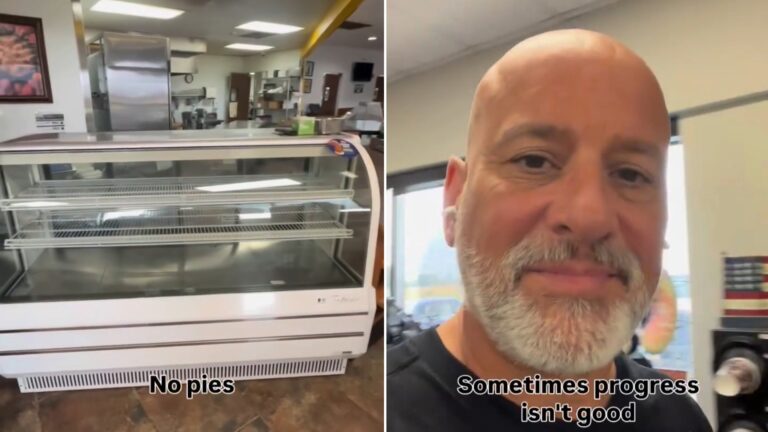
Before showing his own visit, he lays out the background. As he describes the other diner’s account, the server brought a handheld payment pad to the table for tap-to-pay. The group entered no tip, because they planned to leave cash. The server told them they had to tip, took the device back, tried to enter a $9 tip herself, and handed it back. The group said again that they were tipping in cash. According to that account, the server told them she had to be tipped because she had served them.
The reviewer says he believes tipping is optional, though he tips for good food and good service, and he jokes that the idea he never tips is a running gag among his followers. “Stay tuned to the end of the video to see if it’s true or not,” he says.
The Food Was a Mixed Bag
He starts on a high note. He says the place has “the best sushi” and points to the Mama Roll as the must-order dish: shrimp, crab stick, seasoned crawfish, and spicy mayo, fried. He recommends it especially for anyone who does not care for raw fish. “I’m telling you, the Mama Roll is fire,” he says. He also samples the Godzilla Roll, which he describes as a little spicier, and enjoys it.
The bang bang chicken was another story. One bite in, he declares it “really dry, like a desert,” compares it to the Sahara, and wonders whether it is old. He flags down the server and sends it back. When staff explain that the dish is made that way, he is not convinced, and he says that explanation was the only disappointing part of the meal.
Then the Card Reader Came Out
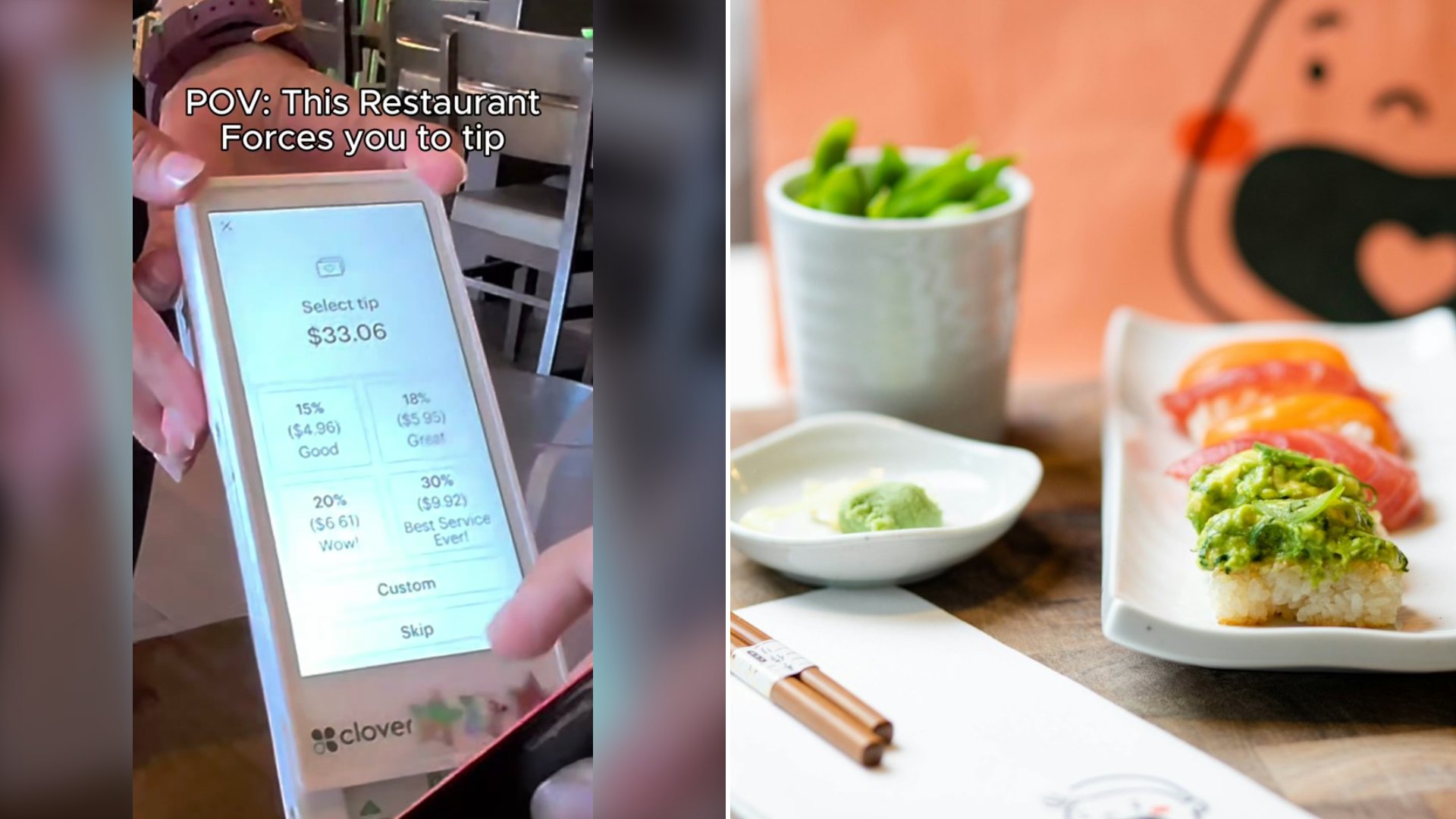
When it was time to pay, the server brought the card reader. The screen asked for a tip. He declined and said he would tip in cash. The server prompted him again to select a tip. He said no a second time and explained that his group would leave cash.
He paid, and then gave his verdict to the camera. “That’s crazy,” he says. “They do force you to tip.” He says the group still planned to leave five dollars in cash “because the sushi was actually really good,” and he tells the original diner that she was right.
@jorgemock
His video shows one visit from one table, and the restaurant’s side is not part of it. But the scene at the end, a server nudging a customer back to the tip screen after they have already said they are tipping in cash, is familiar to a lot of diners.
For many diners, especially those who grew up leaving a few bills on the table, the handheld screen can feel like being put on the spot in front of the very person you are tipping. That pressure is real, and it is worth knowing where you stand.
What to Know About Tip Screens and Your Rights
The swivel screen at the counter and the handheld pad at the table have changed how tipping feels. Here is what is worth knowing.
A tip is voluntary. In the United States, a gratuity is generally a gift from the customer, and you decide whether and how much to leave. A server can ask, but cannot require it.
A service charge is different. Some restaurants add a mandatory service fee or automatic gratuity, especially for large parties. That charge should be clearly disclosed on the menu, on a sign, or before you order. If you see a charge you were not told about, ask about it before you pay.
Cash tips are perfectly acceptable. Many servers prefer cash because it reaches them right away. If you plan to tip in cash, choose “No Tip” or “Custom” and enter zero on the screen, then leave the cash on the table or hand it directly to your server.
Read the screen before you tap. Preset buttons often suggest 18, 20, or 25 percent, sometimes calculated on the total after tax. Choosing “Custom” lets you enter the amount you actually intend.
Speak up calmly. If a server presses you to change your answer, a polite “We’re leaving cash, thank you” is enough. If it continues, ask for a manager. Owners generally want to know when guests leave unhappy.
Tip on the pre-tax amount if you prefer. Etiquette guides have long said that is fair, and on a big bill it makes a noticeable difference. Either way, the choice is yours, not the screen’s.
Check your receipt. Before you sign or walk away, confirm that no tip was added without your approval. If one was, ask the restaurant to correct it, and if that fails, contact your card issuer to dispute the charge.
And when the food and service are good, as this reviewer said the sushi was, a fair tip in whatever form you choose is still the kind thing to do.
More From Cultivated Comfort
- Two Men Order Food From a Three Point Four Star Mexican Restaurant in North Carolina to Find Out Why the Ratings Are Low and Walk Away Surprised by Everything but the Rice
- Former Applebees Waiter Who Worked Fourteen Hour Shifts for Two Dollars an Hour Says Servers Today Take Fifteen Minutes to Bring a Sweet Tea and Still Want a Fifteen Dollar Tip
- Restaurant Sign Telling Customers Who Cannot Tip To Stay Home Is Making The Rounds Online And Even The Person Sharing It Says It Might Be Fake