

Dining in France is not just about enjoying a meal; it’s a social experience steeped in tradition. As a guest, understanding the subtleties of French dining etiquette can enhance your experience and prevent unintended faux pas. Below are twelve key aspects of dining etiquette in France that you might not find on a menu but are essential for a seamless dining experience.
Greeting the Host
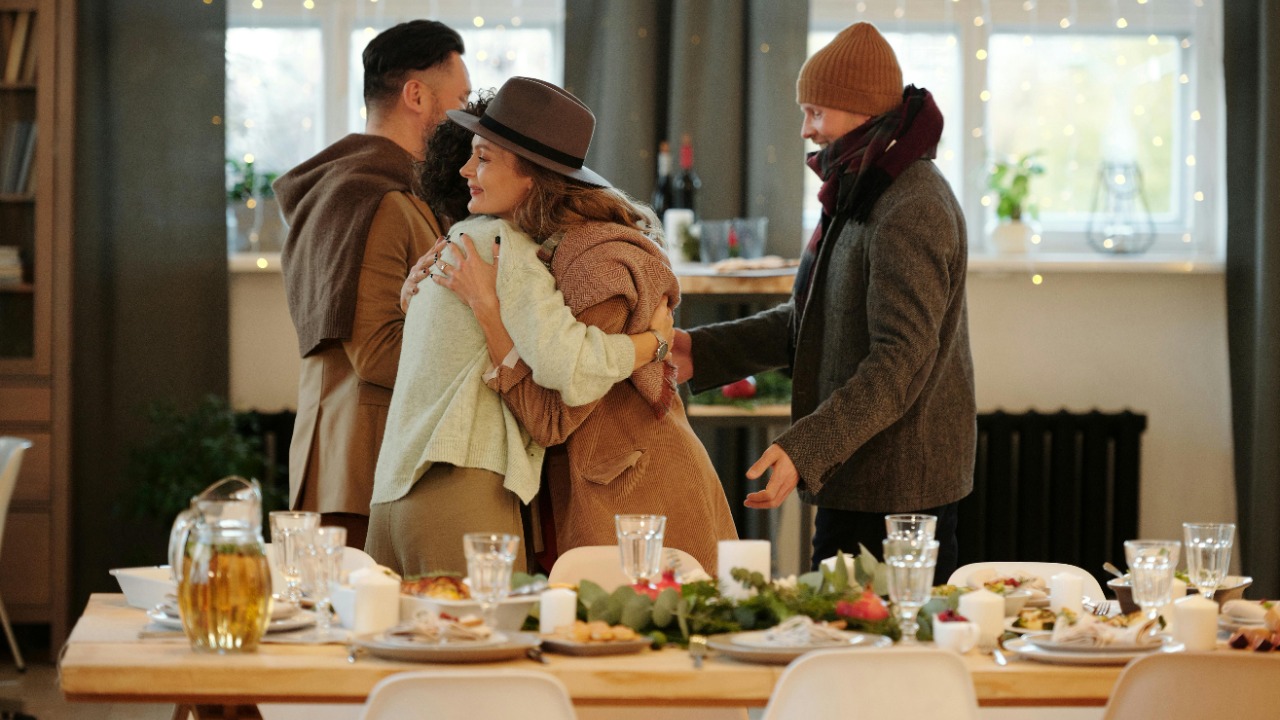
When you arrive at a French home or restaurant for a meal, it’s customary to greet the host with a friendly “Bonjour” or “Bonsoir,” depending on the time of day. If you’re dining at someone’s home, a small gift like wine or flowers is appreciated. However, avoid bringing chrysanthemums, as they are associated with funerals. A warm and polite greeting sets a positive tone for the meal ahead.
In a restaurant setting, acknowledging the staff with a polite greeting is equally important. It shows respect and appreciation for the service you are about to receive. In France, dining is as much about the social interaction as it is about the food, so starting on the right foot is crucial.
Timing Your Arrival
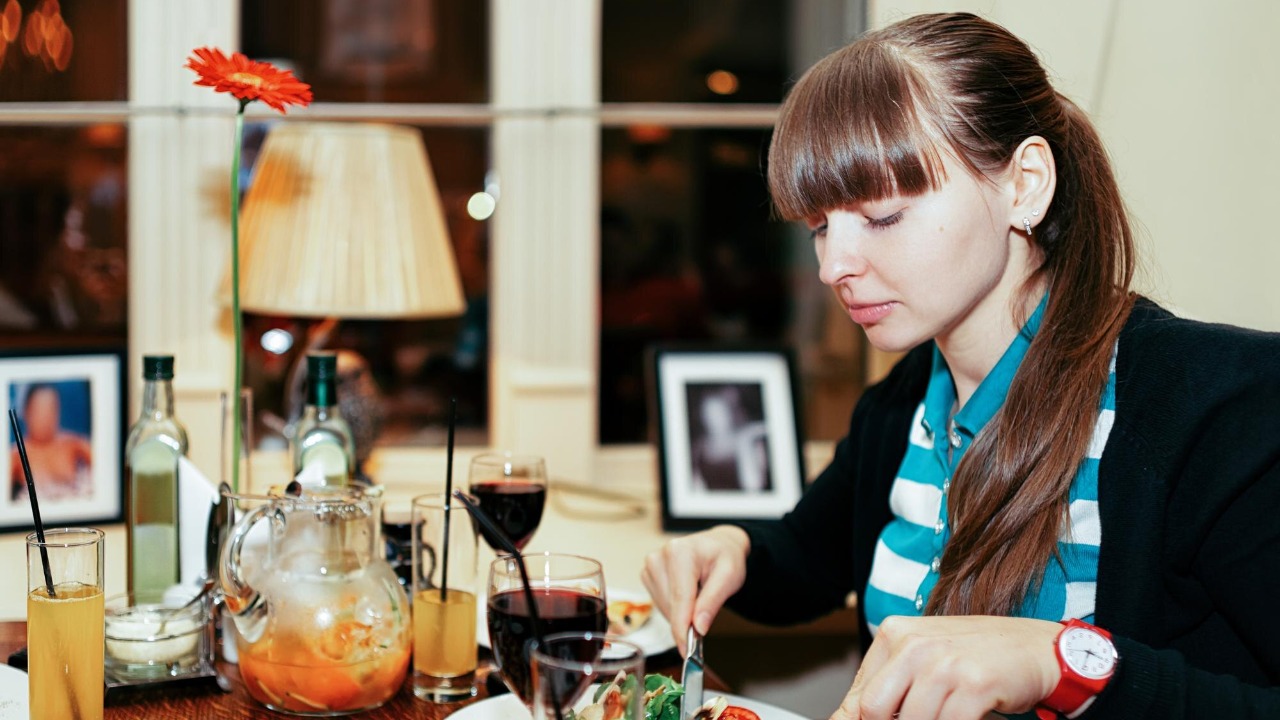
In France, arriving on time for a meal is considered impolite. Instead, aim to arrive about 10 to 15 minutes late. This gives the host a little extra time to prepare and ensures that you won’t catch them off guard. Being fashionably late is a cultural norm that shows respect for your host’s time.
If you’re dining at a restaurant, being punctual is more flexible, but it’s still wise to adhere to any reservation times. A brief delay is usually acceptable, but extended tardiness can disrupt the flow of service and inconvenience the staff.
Understanding the Bread Rule
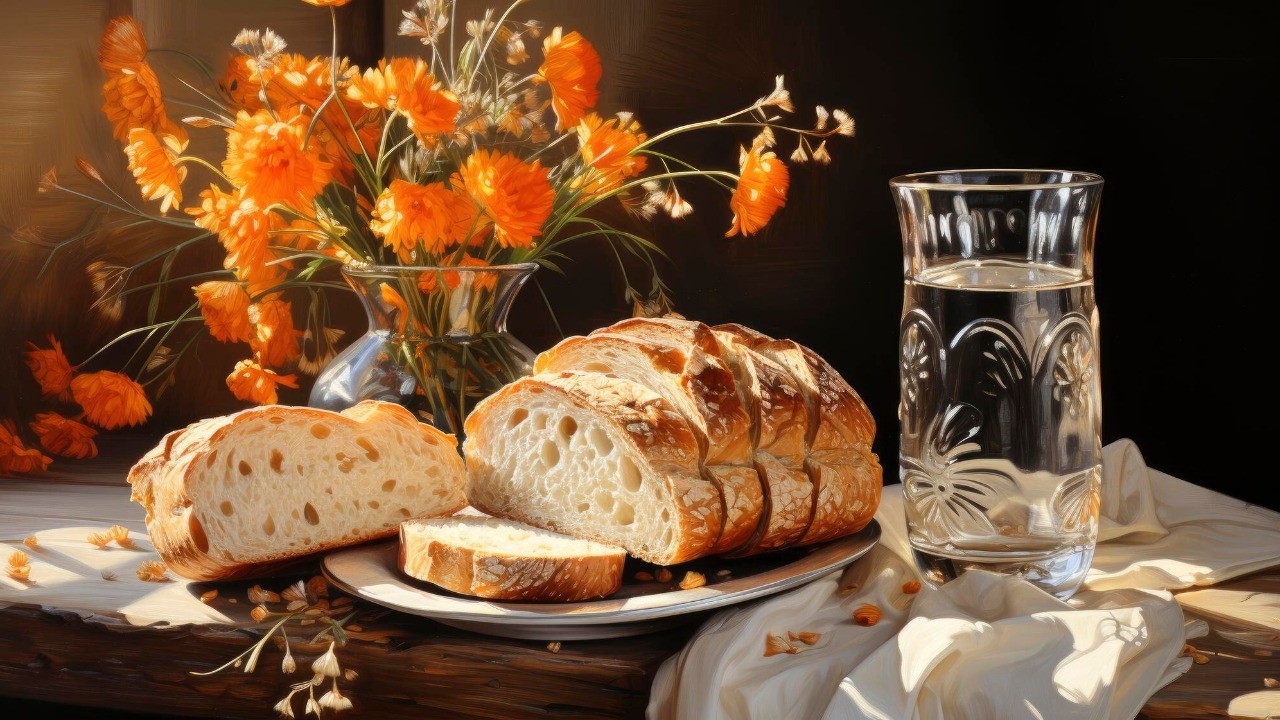
Bread is a staple at French meals, but it comes with its own set of rules. Rather than placing the bread directly on your plate, it’s customary to place it on the table beside your plate. This practice dates back to a time when plates were smaller, and bread would take up valuable real estate on the dish.
When it comes to eating the bread, tear off small pieces as needed instead of biting directly into the loaf. This method is considered more polite and helps to maintain a clean dining environment.
Navigating the Cutlery
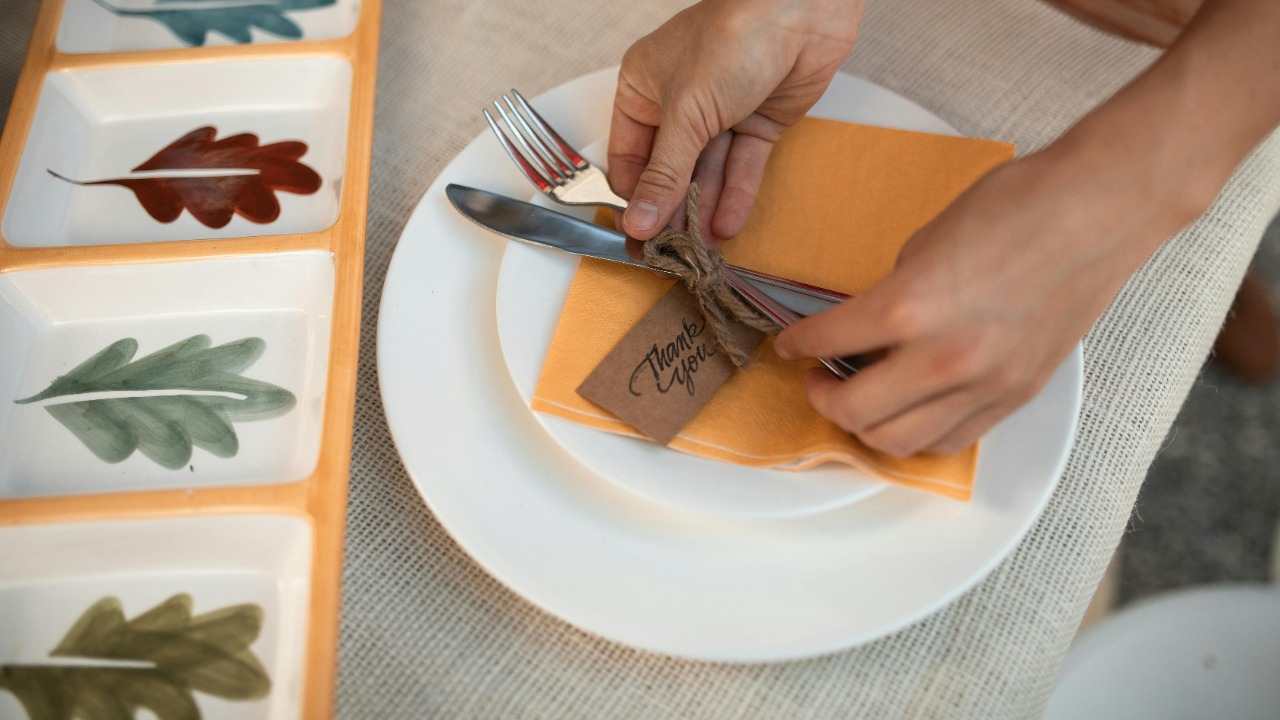
French dining etiquette requires a certain finesse with cutlery. The general rule is to work your way from the outside in, using the outermost utensils first. The fork is held in the left hand and the knife in the right, and both are used to cut and eat your food.
After you’ve finished eating, place your knife and fork parallel to each other on your plate, with the handles at the four o’clock position. This signals to the staff that you have completed your meal, allowing them to clear your plate without asking.
Mastering the Art of Toasting
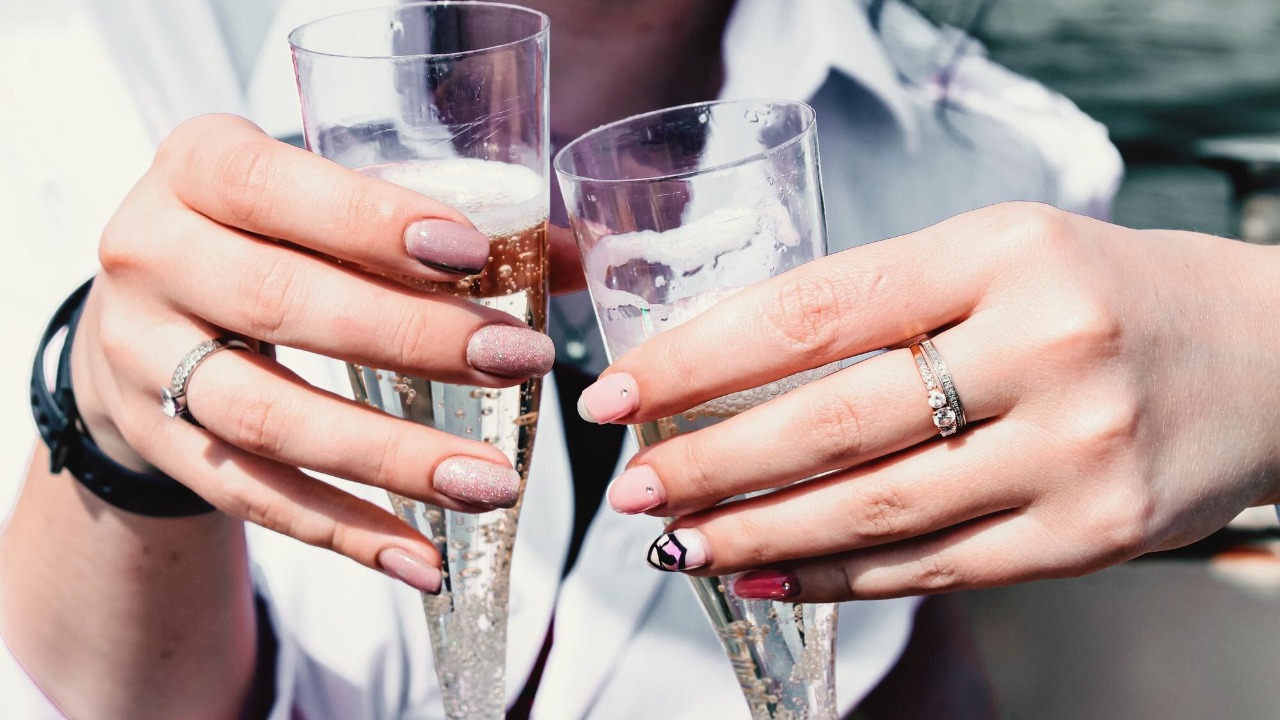
Toasting is a common practice in France, and there are some specific guidelines to follow. Before taking a sip, make sure to clink glasses with everyone at the table, maintaining eye contact as you do so. Failing to make eye contact is considered bad luck in French culture.
Additionally, it’s important to wait for the host to initiate the first toast. This gesture acknowledges the host’s role in organizing the meal and sets the stage for the rest of the dining experience.
The Wine Etiquette
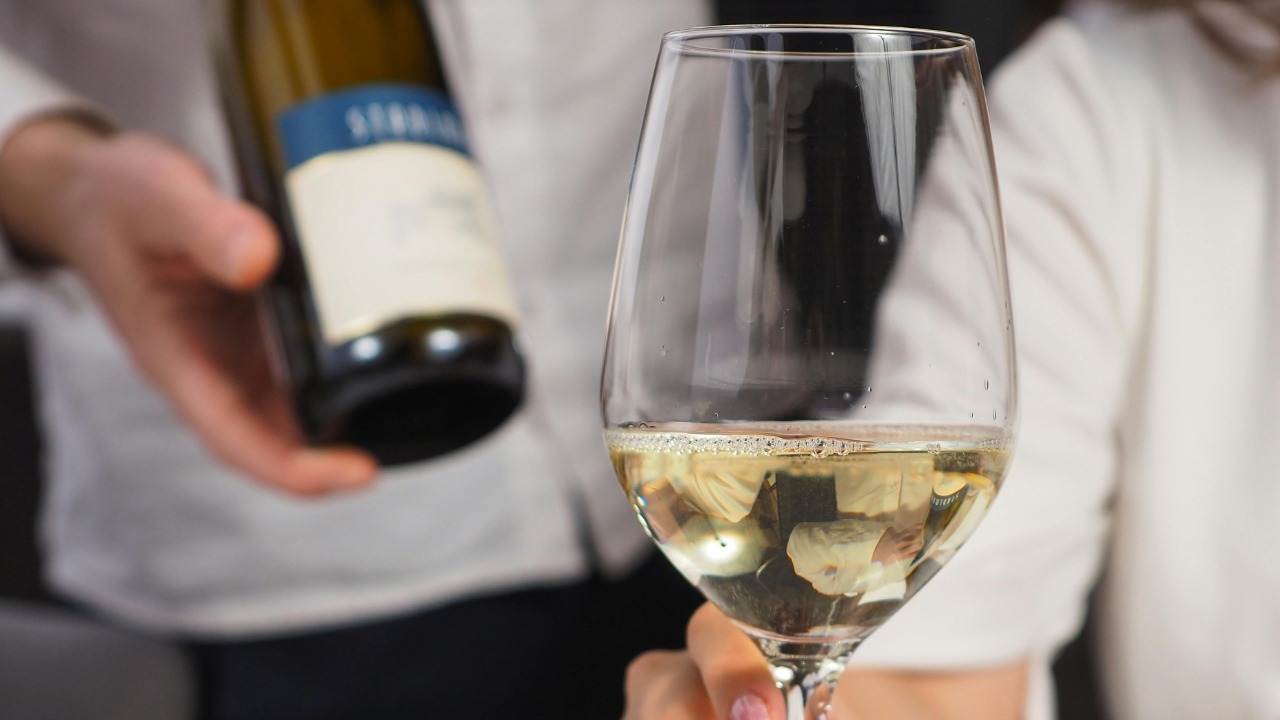
Wine plays a central role in French dining, and proper etiquette enhances this experience. If a sommelier is present, allow them to pour the wine. Otherwise, it’s polite to offer to pour for your neighbors before serving yourself. Always hold the glass by the stem to avoid warming the wine with your hand.
When it comes to pairing wine with food, follow the host’s lead or ask for recommendations if you’re uncertain. In France, the right wine can elevate a meal, so taking the time to choose wisely is part of the dining ritual.
Avoiding the Salt and Pepper
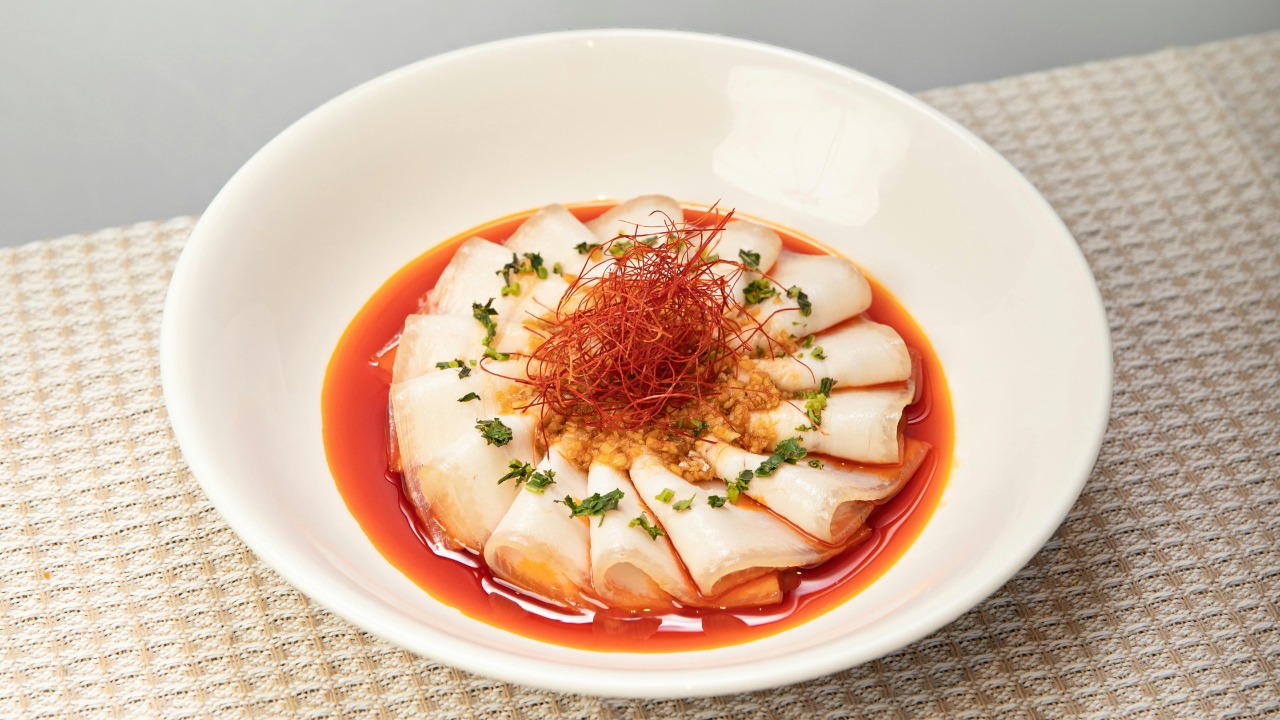
In France, seasoning your food before tasting it can be seen as an insult to the chef. It’s assumed that the dish has been perfectly seasoned, so always taste your meal first. If additional seasoning is needed, use it sparingly and discreetly.
Asking for salt and pepper when they are not on the table can be considered impolite. It suggests that the chef’s seasoning is inadequate, which is not the message you want to convey in a country that takes its culinary arts seriously.
The Cheese Course Protocol
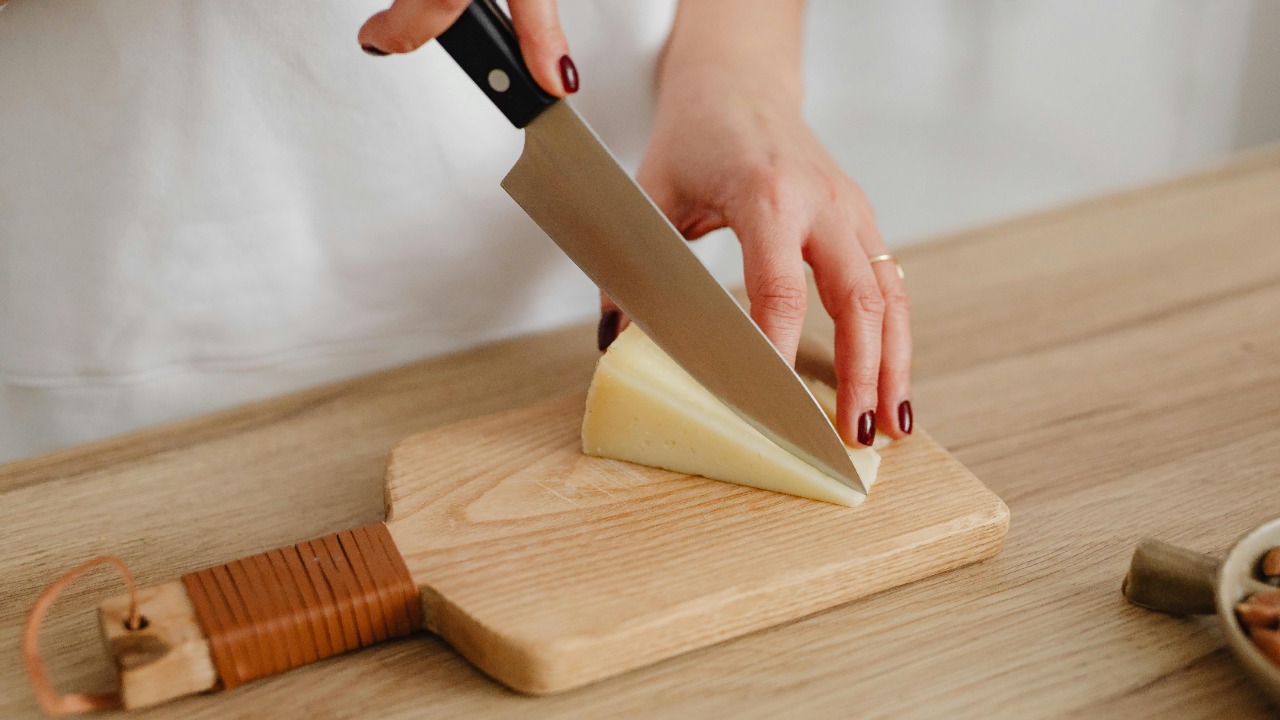
Cheese is often served after the main course and before dessert in France. When it’s your turn to serve yourself, slice a small portion that includes both the rind and the interior. This practice respects the cheese maker’s craftsmanship and ensures fair sharing among guests.
It’s also customary to avoid cutting the “nose” or tip of wedge-shaped cheeses, as this is considered the best part. Instead, slice from the side to keep the cheese evenly distributed for everyone to enjoy.
Savoring the Silence

During a French meal, moments of silence are natural and should not be filled with idle chatter. Enjoying the food and company in quiet reflection is part of the dining experience. Silence indicates contentment and appreciation for the meal, so there’s no need to rush to fill every pause.
If conversation does arise, steer clear of controversial topics. Light and pleasant discussions about the food, travel, or culture are more appropriate and contribute to a harmonious dining atmosphere.
Handling Leftovers

Unlike in some cultures, taking leftovers home from a restaurant is less common in France. The expectation is to enjoy what you can during the meal. If you find yourself unable to finish, it’s perfectly fine to leave food on your plate.
However, if you must take leftovers, discreetly ask the waiter if it’s possible. While not the norm, most restaurants will accommodate your request, especially in more tourist-friendly areas.
Signaling You’re Finished
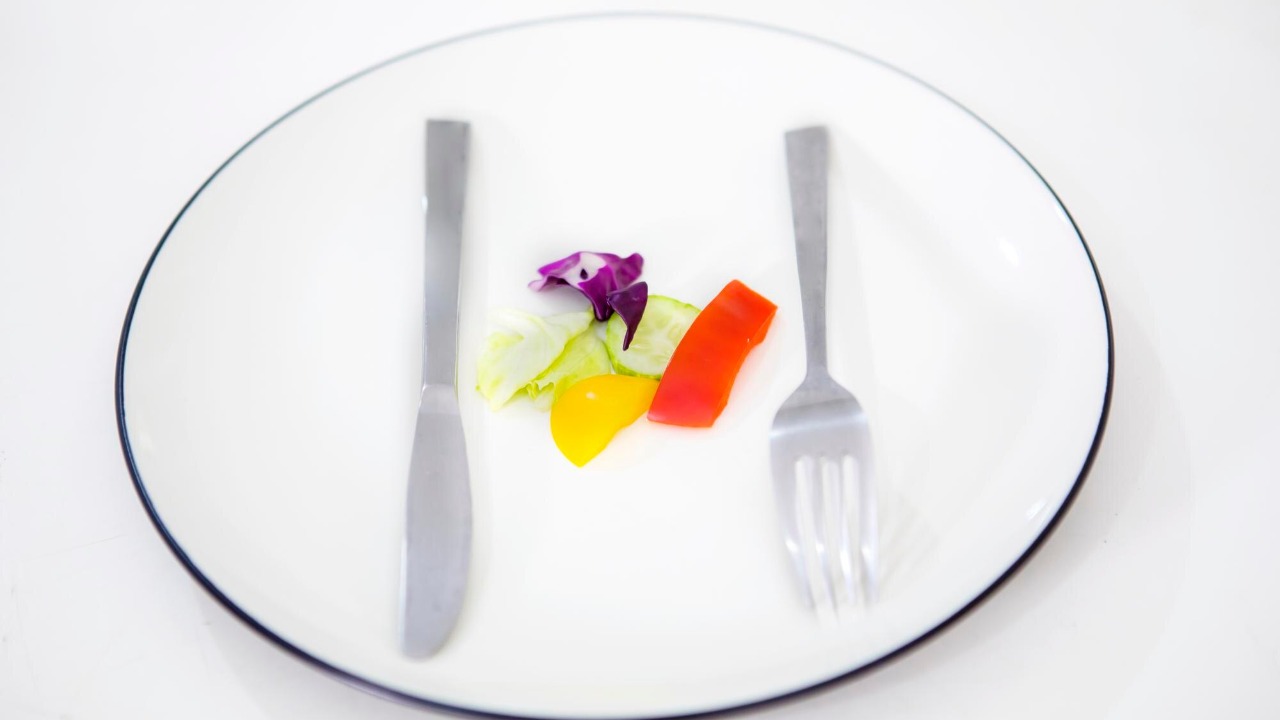
When you’re done eating, place your knife and fork parallel to each other on the plate, pointing upwards. This indicates to the staff that your meal is complete and they can clear your plate. Placing utensils in this position is a subtle yet effective way to communicate without words.
Avoid crossing your utensils or placing them haphazardly on the plate, as this can send mixed signals to the waitstaff. A neat and orderly presentation reflects your appreciation for the meal and the service.
The Proper Goodbye
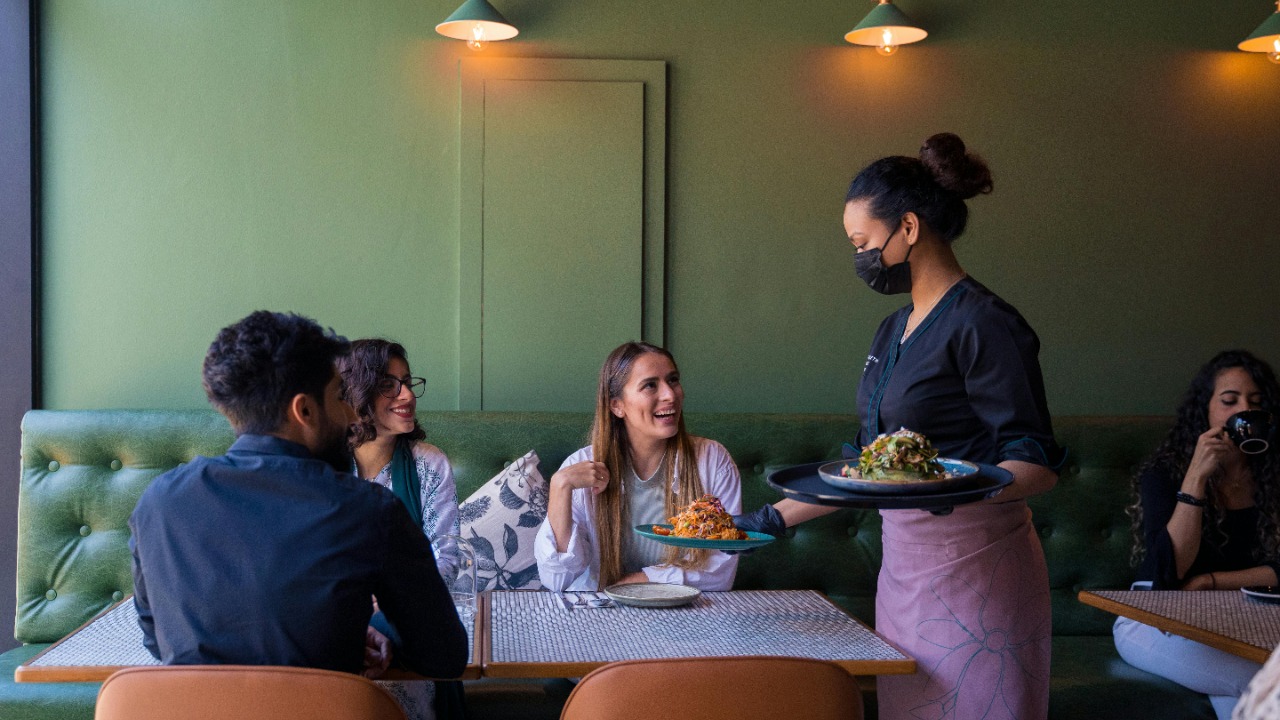
As you conclude your dining experience, thank your host or the restaurant staff for the meal. In a home setting, it’s customary to express gratitude to the host and perhaps send a follow-up note or message later. This gesture acknowledges the effort put into the meal and fortifies social bonds.
When leaving a restaurant, a simple “Merci, au revoir” suffices. If you received exceptional service, consider leaving a tip, although it’s not obligatory since service is usually included in the bill in France. A little appreciation goes a long way in showing your respect for French dining customs.

As a mom of three busy boys, I know how chaotic life can get — but I’ve learned that it’s possible to create a beautiful, cozy home even with kids running around. That’s why I started Cultivated Comfort — to share practical tips, simple systems, and a little encouragement for parents like me who want to make their home feel warm, inviting, and effortlessly stylish. Whether it’s managing toy chaos, streamlining everyday routines, or finding little moments of calm, I’m here to help you simplify your space and create a sense of comfort.
But home is just part of the story. I’m also passionate about seeing the world and creating beautiful meals to share with the people I love. Through Cultivated Comfort, I share my journey of balancing motherhood with building a home that feels rich and peaceful — and finding joy in exploring new places and flavors along the way.