French sauces are renowned for their complexity and depth of flavor, elevating even the simplest dishes to gourmet status. From the classic mother sauces to contemporary variations, these culinary staples can be versatile additions to your cooking repertoire. Discover how these iconic sauces can become your go-to for everything from weeknight dinners to elaborate feasts.
Understanding French Sauce Basics

The foundation of French culinary tradition lies in the five mother sauces: béchamel, velouté, espagnole, hollandaise, and tomato sauce. These sauces serve as the building blocks for a myriad of other sauces, each adding its own unique touch to dishes. Understanding these fundamental sauces can significantly broaden your culinary capabilities. For instance, a classic béchamel can be transformed into a cheesy mornay, while a tomato sauce can be the base for a spicy arrabbiata.
Essential techniques in sauce-making, such as roux preparation, reduction, and emulsification, are crucial skills to master. A roux, for example, is a mixture of fat and flour used to thicken sauces like béchamel and velouté. Reduction involves simmering a sauce to evaporate water, concentrating flavors and textures. Emulsification, key in sauces like hollandaise, requires the careful blending of ingredients like egg yolks and butter to achieve a smooth consistency.
The quality of ingredients cannot be overstated when making French sauces. High-quality butter, fresh herbs, and ripe tomatoes can make a significant difference in the flavor and texture of your sauce. Using fresh, organic produce and high-grade meats will enhance the depth and richness of your creations, making them truly stand out.
Béchamel: The Creamy Classic
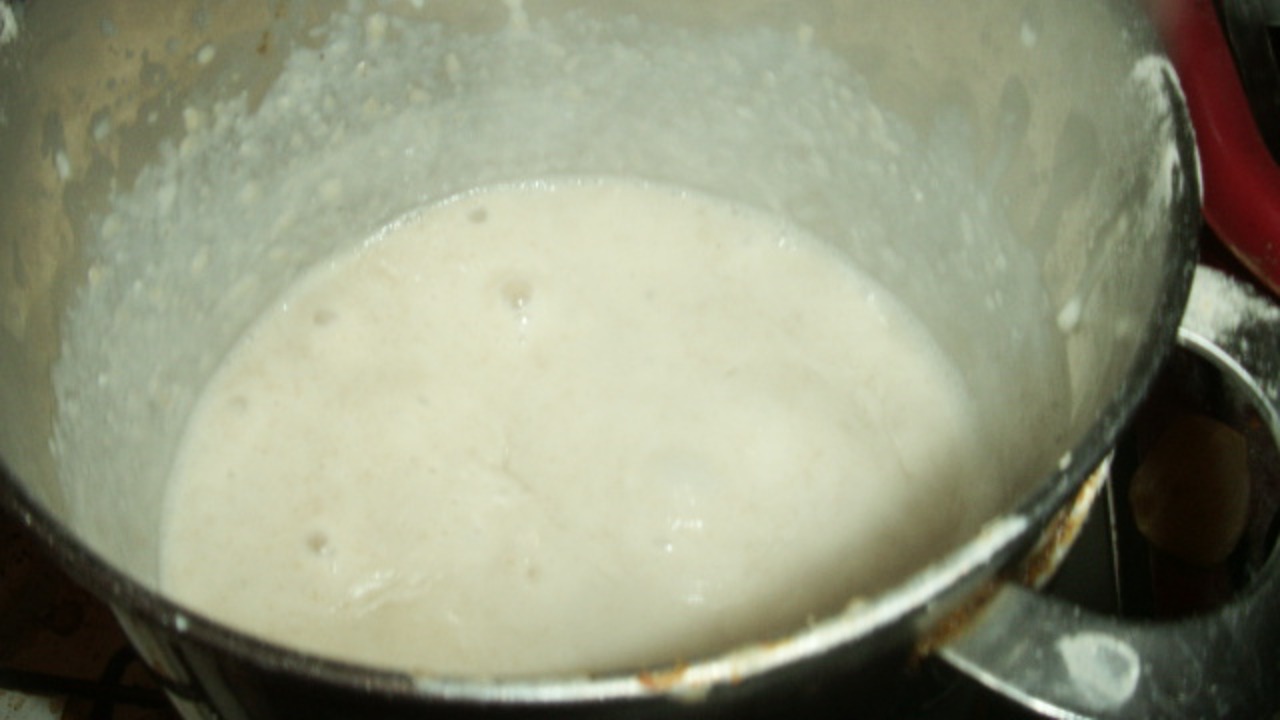
Béchamel sauce, known for its creamy texture, is a versatile base for numerous recipes. This classic sauce can elevate a simple lasagna or add a rich, velvety touch to creamy soups. Its neutral flavor makes it a perfect canvas for additional ingredients, allowing for endless customization. Incorporating cheeses like Gruyère or Parmesan transforms béchamel into a delectable mornay sauce, ideal for dishes like macaroni and cheese or a croque monsieur.
Enhancing béchamel with herbs or spices can create unique flavor profiles tailored to specific dishes. Adding a pinch of nutmeg provides a warm, earthy note, while mustard can add a tangy kick, perfect for pairing with poultry or roasted vegetables. This adaptability makes béchamel a staple in any kitchen, offering numerous pairing possibilities with both vegetarian and meat-based dishes.
Pairing suggestions for béchamel include roasted vegetables, such as cauliflower or Brussels sprouts, and poultry dishes like chicken pot pie or turkey tetrazzini. Its creamy consistency also complements pasta dishes, providing an indulgent sauce that clings beautifully to each strand.
Hollandaise: The Elegant Emulsion
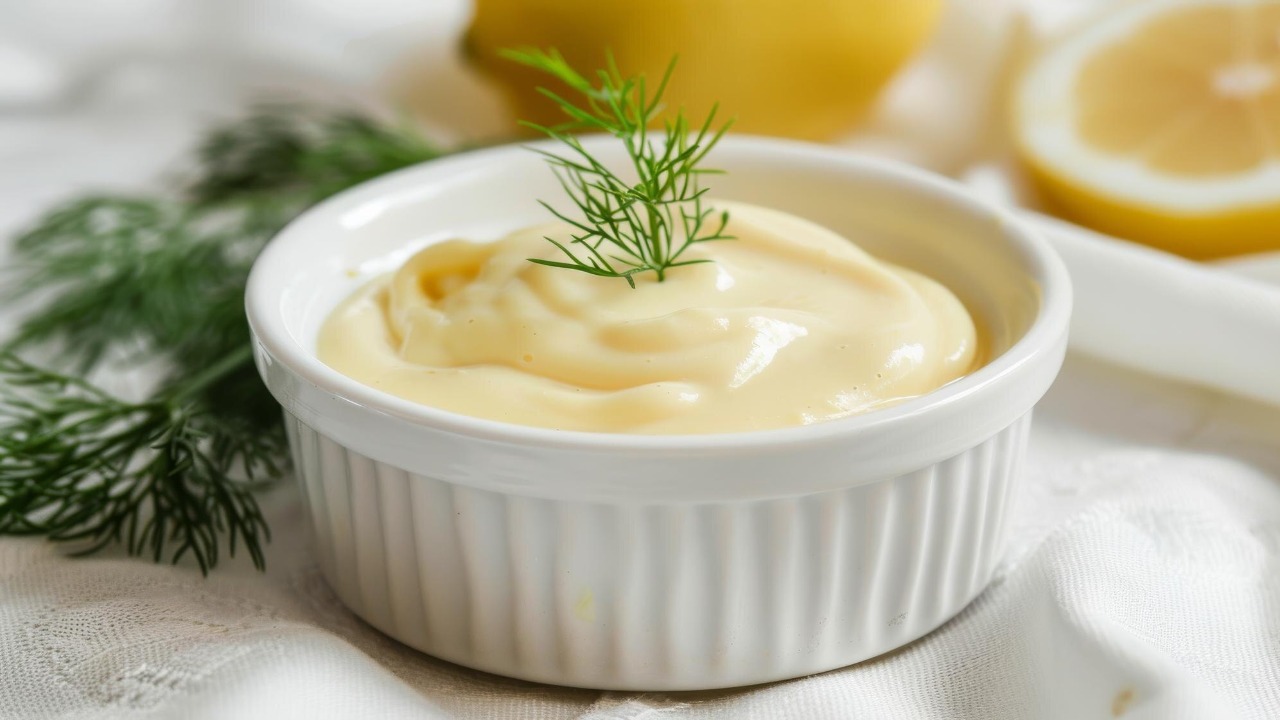
Hollandaise sauce, a rich and buttery emulsion, is a quintessential element of French cuisine. Mastering emulsification is key to achieving a perfect hollandaise, which involves gently combining egg yolks and clarified butter. Temperature control is crucial, as overheating can cause the sauce to separate. A steady hand and a keen eye will ensure a smooth, glossy finish that’s both visually appealing and delicious.
While traditionally associated with eggs benedict, hollandaise’s versatility extends far beyond breakfast. Its creamy texture and tangy flavor make it an excellent accompaniment to grilled fish, such as salmon or trout. Steamed asparagus or artichokes also benefit from a drizzle of hollandaise, transforming simple vegetables into a sophisticated side dish.
For a modern twist, experiment with flavored hollandaise by incorporating citrus zest, fresh tarragon, or even a touch of sriracha for a spicy kick. These creative variations can add a new dimension to classic dishes, offering a fresh take on traditional flavors.
Espagnole and Its Derivatives
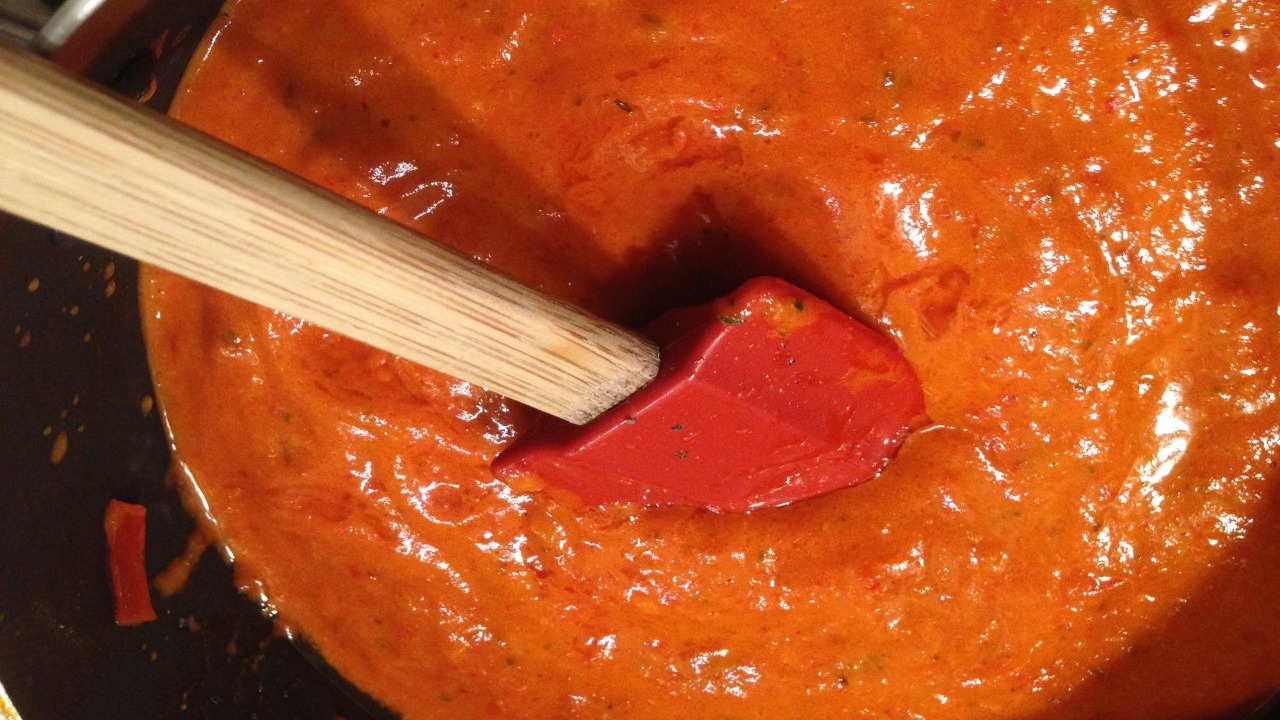
Espagnole sauce, a rich and robust brown sauce, forms the backbone of many classic French dishes. Made from a base of brown roux, beef stock, and aromatic vegetables, it delivers a deep, savory flavor that enhances hearty dishes. Espagnole’s complexity makes it an ideal base for derivative sauces like demi-glace and jus, essential components in gourmet meat preparations.
Creating a demi-glace involves reducing espagnole with additional stock and wine, resulting in a concentrated sauce perfect for glazing meats or enriching stews. Jus, a lighter variation, is made by deglazing roasted meats with stock or wine, capturing the caramelized flavors from the pan.
Espagnole and its derivatives pair beautifully with beef dishes such as steak or pot roast. Lamb chops and hearty vegetable dishes, like ratatouille, also benefit from the deep flavors of these sauces, making them a versatile addition to any culinary repertoire.
Contemporary Twists on French Sauces
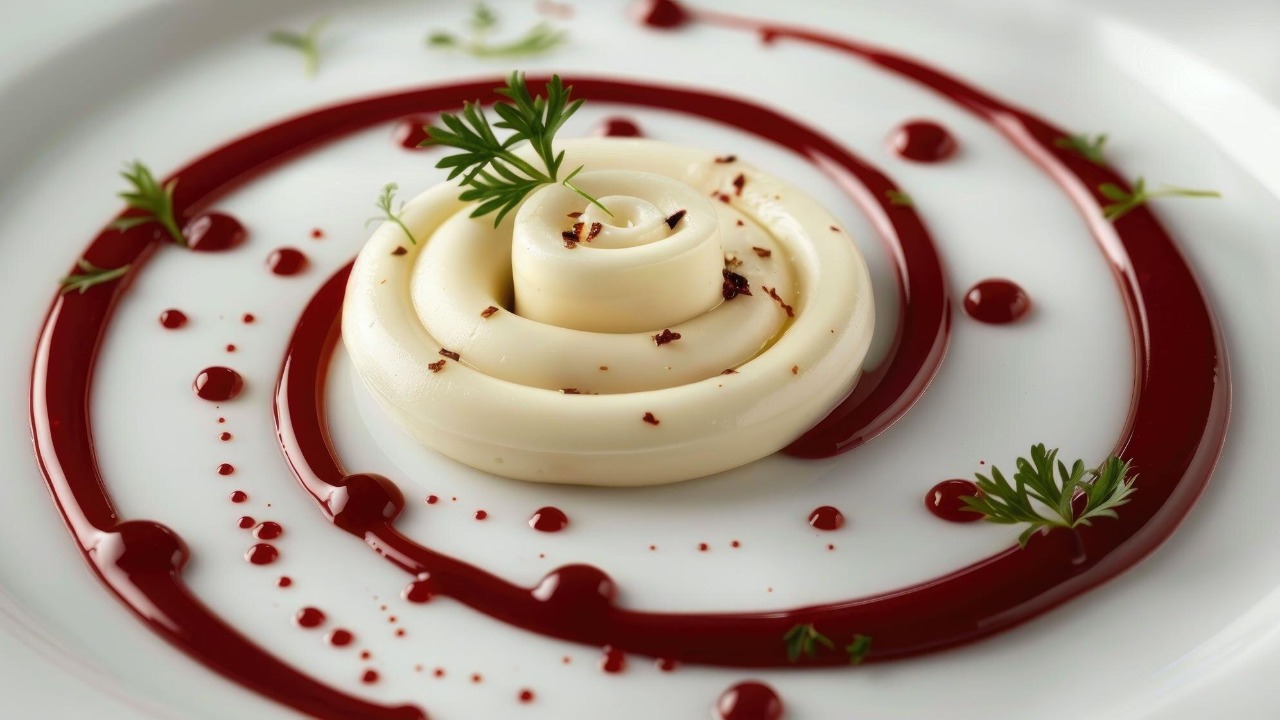
Modern chefs are constantly reimagining traditional sauces, infusing them with global influences and innovative ingredients. This evolution has led to exciting adaptations that blend classic French techniques with flavors from around the world. For example, adding miso paste to a velouté can introduce a savory umami element, while incorporating ginger and lemongrass into hollandaise offers a refreshing Asian twist.
Health-conscious cooks can explore lighter versions of classic sauces by using alternative ingredients or techniques. For instance, substituting heavy cream with Greek yogurt in béchamel can reduce fat content while maintaining creaminess. Similarly, using vegetable stock in place of beef stock in espagnole can create a vegetarian-friendly sauce without sacrificing depth of flavor.
Fusion flavors offer endless possibilities for creating unique sauce profiles. Combining elements from Mediterranean cuisine, such as olives or sun-dried tomatoes, with traditional French sauces can yield unexpected and delightful results. These creative combinations not only celebrate culinary diversity but also encourage experimentation, inviting home cooks to push the boundaries of traditional cuisine.

As a mom of three busy boys, I know how chaotic life can get — but I’ve learned that it’s possible to create a beautiful, cozy home even with kids running around. That’s why I started Cultivated Comfort — to share practical tips, simple systems, and a little encouragement for parents like me who want to make their home feel warm, inviting, and effortlessly stylish. Whether it’s managing toy chaos, streamlining everyday routines, or finding little moments of calm, I’m here to help you simplify your space and create a sense of comfort.
But home is just part of the story. I’m also passionate about seeing the world and creating beautiful meals to share with the people I love. Through Cultivated Comfort, I share my journey of balancing motherhood with building a home that feels rich and peaceful — and finding joy in exploring new places and flavors along the way.