Free hotel upgrades are usually treated as something that only happens to elite-status loyalty members, honeymooners, or people who get lucky with an unusually generous desk agent. The Duremdes Family, a travel account with more than 67,000 followers on Instagram, says that reputation is mostly overblown. In a reel that has drawn more than 153,000 views, the family lays out a simple habit: they send one email to the hotel about a week before check-in, and they say it gets them a better room or free extras almost every time, with no elite tier and no negotiating at the front desk required.

The Habit Behind the Claim
The family’s version of the trick isn’t a script or a demand. It’s a short, friendly note sent directly to the hotel, not through the booking site, a few days to a week before arrival. It usually mentions who’s traveling and why: a family trip, a milestone birthday, a first vacation with young kids. Then it politely asks whether a complimentary upgrade might be available if the hotel has the room to spare, and thanks the staff in advance either way. Nothing about it demands anything, and that tone appears to be doing a lot of the work.
That approach lines up with what hospitality writers have been telling travelers for years. According to a hotel-upgrade guide published by AOL, “emailing the hotel manager or guest services a week before arrival sets a friendly tone,” and that step alone often results in a better room or a small perk waiting at check-in. The same piece points out that going around a third-party booking site and reaching the property directly tends to help, because it makes a guest a specific person to plan for rather than an anonymous reservation number.
Why Some Hotels Say Yes
The mechanics behind it are less mysterious than the reel’s popularity suggests. Hotels sell rooms the way airlines sell seats, forecasting occupancy days and weeks out, and that forecast keeps shifting as cancellations, no-shows, and late bookings roll in. A property that expected to sell out its upper-floor suites might still have two or three sitting empty three days before arrival. At that point, upgrading a guest who already booked and already asked nicely costs the hotel nothing and buys goodwill, a five-star review, or a repeat booking down the line.
Independent and boutique properties tend to have more room to say yes than large chain hotels bound by rigid loyalty-tier rules, since a general manager or a guest-services lead can often approve a complimentary upgrade on the spot. Timing also matters. Emailing ahead gives staff time to flag the request on a reservation before the property fills in, rather than asking cold at a busy front desk.
The Honest Caveat
Not every hotel-industry voice is convinced that emailing ahead is a reliable trick rather than an occasional stroke of luck. Points and loyalty blog Your Mileage May Vary argues that the only truly guaranteed upgrade is a paid one, since most hotels now prefer selling a better room outright over giving it away, regardless of how the request is worded or how much status a guest holds. Its writer notes that emailing a hotel and offering to pay for an upgrade closer to arrival, once occupancy is clearer, tends to work more consistently than hoping for a free one.
Both things can be true at once. A polite, well-timed email won’t force a hotel’s hand, and it isn’t a substitute for loyalty status if a guest travels often enough to earn it. But it costs nothing to send, takes staff seconds to read, and puts a name and a reason in front of someone who might actually have a nicer room sitting empty. That’s a lower bar than most people assume upgrades require.
How to Write Your Own Version
Travelers looking to try it themselves don’t need much: the hotel’s direct email address (usually on its own website, not the booking platform), the confirmation number, the date range, and one honest sentence about why the trip matters. Skip anything that reads like a demand or a comparison to a competitor property. Mention if it’s a special occasion, ask plainly whether an upgrade might be available given availability, and close by thanking the staff regardless of the answer. Sending it early enough for someone to actually act on it, roughly five to seven days out, appears to matter more than any particular phrasing.
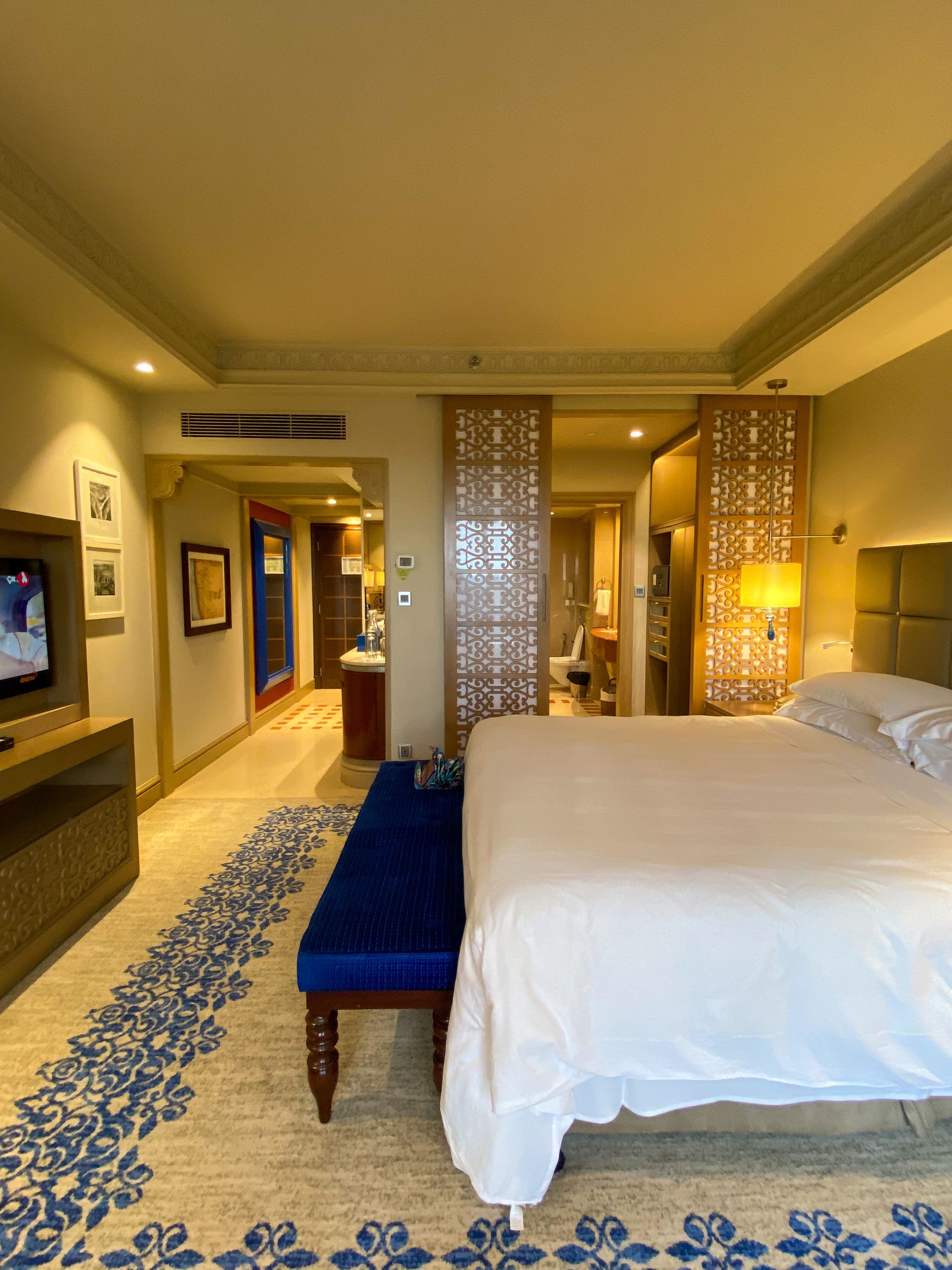
None of this guarantees an ocean-view suite. What the Duremdes Family’s reel captures, and what hospitality writers have quietly confirmed for years, is that hotel upgrades are less about luck and status than most travelers assume, and more about whether anyone actually asked.