One question still nags at Milly. An Idaho bride, she is asking the internet whether she was in the wrong in a dispute with her hair and makeup artist, a fight that left her out $600.
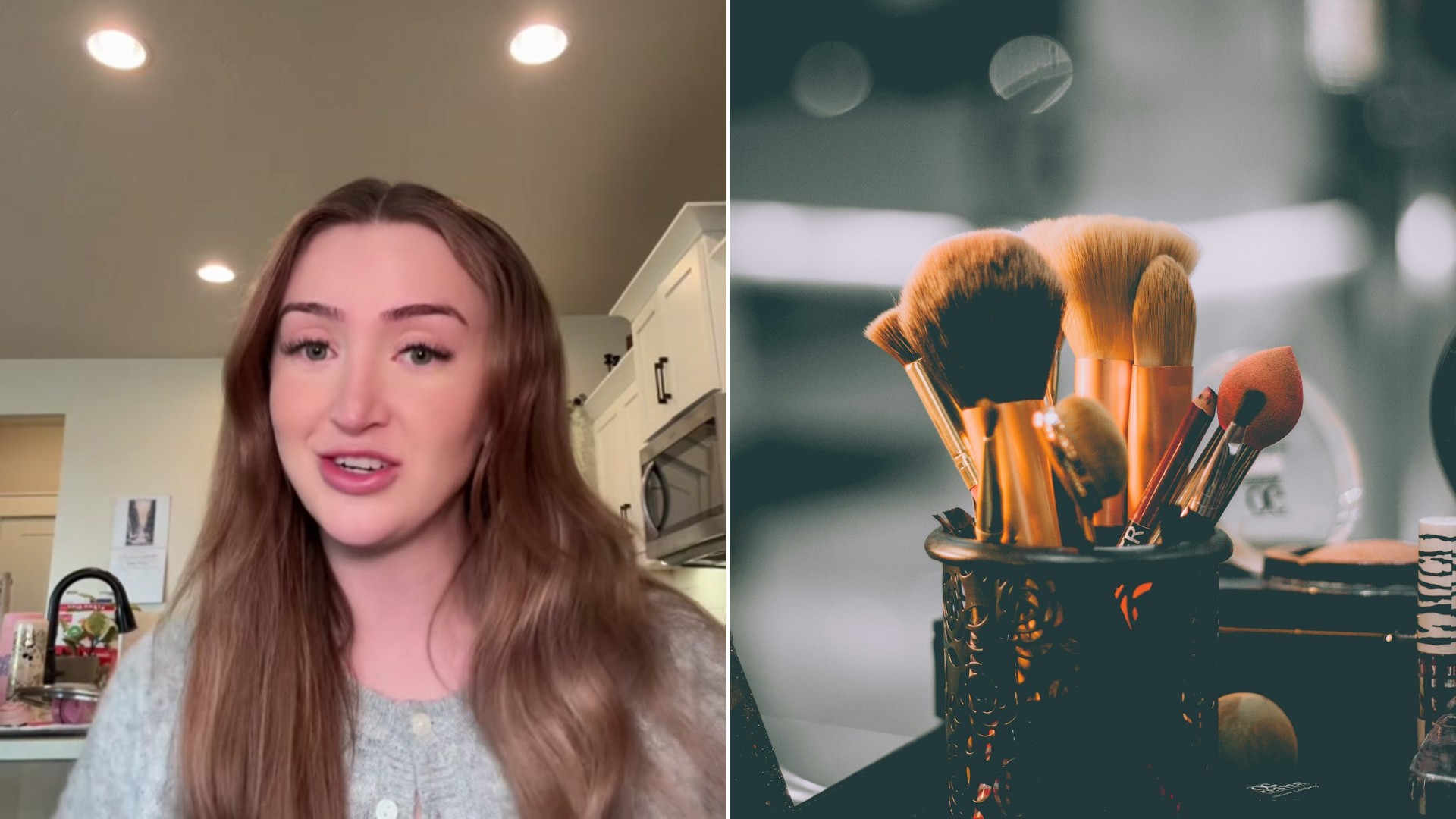
Milly, who posts as @lady.bourdon, lays out the whole timeline in a long TikTok. Her caption gives the short version: she can no longer file a chargeback with her bank and she is out $600, “but my hair and makeup turned out incredible.”
@lady.bourdon
She Booked Late, Signed Fast, And Paid A $600 Nonrefundable Deposit
Her September wedding was already on the calendar when she first contacted an artist in January. Milly liked her work, a natural kind of glam, and the artist was available. Then life got in the way, and Milly never finished the booking.
A couple of months later, she realized her mistake. She wrote back, apologized, and said that if the artist was still free she would sign the contract and pay the deposit right away. Milly says the answer was a cheerful “you lucky little duck,” because the date was still open.
She signed and paid the $600 nonrefundable deposit. The booking covered hair and makeup for Milly, two bridesmaids and the flower girl.
The Contract Said “Tentatively, Noon To Three”
When the artist asked what time she needed to be finished, Milly said three o’clock, an hour before a four o’clock ceremony with no first look. The contract came back with a schedule written as tentatively noon to three. Milly says that gave her three hours for four people, and her first reaction was that it did not sound like much.
But she is not a hair and makeup professional, she says, so she chose to trust the expert. The word tentatively also seemed to her to imply some flexibility if things needed to move around.
Then her photographer sent a timeline. Family photos and bridal party pictures could happen before the ceremony, but only if Milly was ready by about 1:50 or 2:00. That meant she needed to be done an hour earlier than planned, and a noon start suddenly worried her.
“I Cannot Start Any Earlier Than Noon”
Milly asked whether the artist could begin at nine. The answer, she says, was that she could not start any earlier than noon. Her venue needed the group out by nine that night, so she felt she had little room to push pictures to after the ceremony without missing much of her reception.
Milly says she was already stressed. In the video she describes breaking out in a stress rash that turned into bruises, and says her mother even sent her to the doctor. She adds that she is fine now and jokes that she is just dramatic.
She also raises a few points about the process. She says there was no trial run, because she lives out of state and the artist could not fit one in on either of her two trips back. She understands that the artist was getting married that summer, but she says it added to her worry about the timeline.
Three Offers, One Refusal, And A Silence
Milly says she offered a series of solutions. First she asked whether an assistant could join her and said she would pay extra, since the artist had mentioned using one for larger parties. That message went unanswered for a day or two.
Next she suggested that she hire someone else for her own hair and makeup, with the artist doing the bridesmaids and flower girl, and asked for a refund of just her portion. That got a reply within an hour, according to Milly, and the answer was no refund.
Her third idea was to have the artist do her mother’s hair and makeup instead, with Milly paying the bride rate. She says she never got a response to that one.
The artist later wrote that the word tentatively was in the contract to give her wiggle room if she arrived late, and that Milly had not booked her in January, so she was lucky to be available at all. The artist also said an assistant could come after all. Milly says that offer came too late, and that after the argument the mood felt wrong for the morning of her wedding.
The Replacement Artist Started At 7 A.M. And Finished At One
Milly hired someone else. She held off telling the first artist because she did not want to cancel and lose any chance at the deposit. After a week without a reply from Milly, the artist wrote that she assumed she was not wanted and would not come.
The new artist arrived at 7 a.m. to set up and finished right at one o’clock. Milly says her trial run took over three hours and, on the wedding day, the full group took three hours again, with the results perfect and no notes from her.
That left her wondering aloud whether she was the one in the wrong, especially because of the missed January booking. She asks viewers to be nice because she describes herself as very sensitive.
What Brides Can Learn About Vendor Contracts
Whatever you think of Milly’s choices, her story points to a few habits worth copying. Read every line of a vendor contract for words like tentative, and ask the vendor to explain exactly what it means and whether times can move. If flexibility matters, get it in writing.
Ask how long the service takes for the number of people you are booking, and build your timeline around that before signing. A trial run, if it is offered, also gives you a realistic idea of timing.
Know what nonrefundable means before you pay. A nonrefundable deposit usually holds the date for the vendor, which is why it is often difficult to recover once the job is canceled. Check the cancellation terms and whether any assistant or extra-time options exist at the start.
Finally, if you decide to part ways, tell the vendor clearly and promptly. Milly’s week of silence left the artist guessing, and her caption says she can no longer file a chargeback. Clear, calm communication keeps a small disagreement from turning into a lost deposit.
More Stories You May Like
- TSA Officers Spot What Looks Like Two Ropes On An X Ray At Ontario Airport, Pause Security Screening, Then Find Two Live Snakes In A Pillowcase And The Traveler Says He Has Flown With Them Before
- Stranded Traveler Pays $412 A Night For A Motel Room That Normally Goes For $72, Then Finds Holes In The Bed, Mold On The Ceiling And A Sign Selling Rooms By The Hour
- Microbiologist Reads Every Ingredient On Starbucks’ New Short Rib Grilled Cheese And Says You Could Not Pay Her To Eat It, Then Rules Out The Meme Meat Theories