Studies reveal that cooking when stressed is a common behavior among many individuals, indicating deeper psychological and emotional patterns. This trend not only affects personal well-being but also highlights how culinary activities can serve as coping mechanisms. Recognizing the reasons behind this habit can help individuals understand themselves better and improve their mental health.
1. Cooking as a Form of Therapy
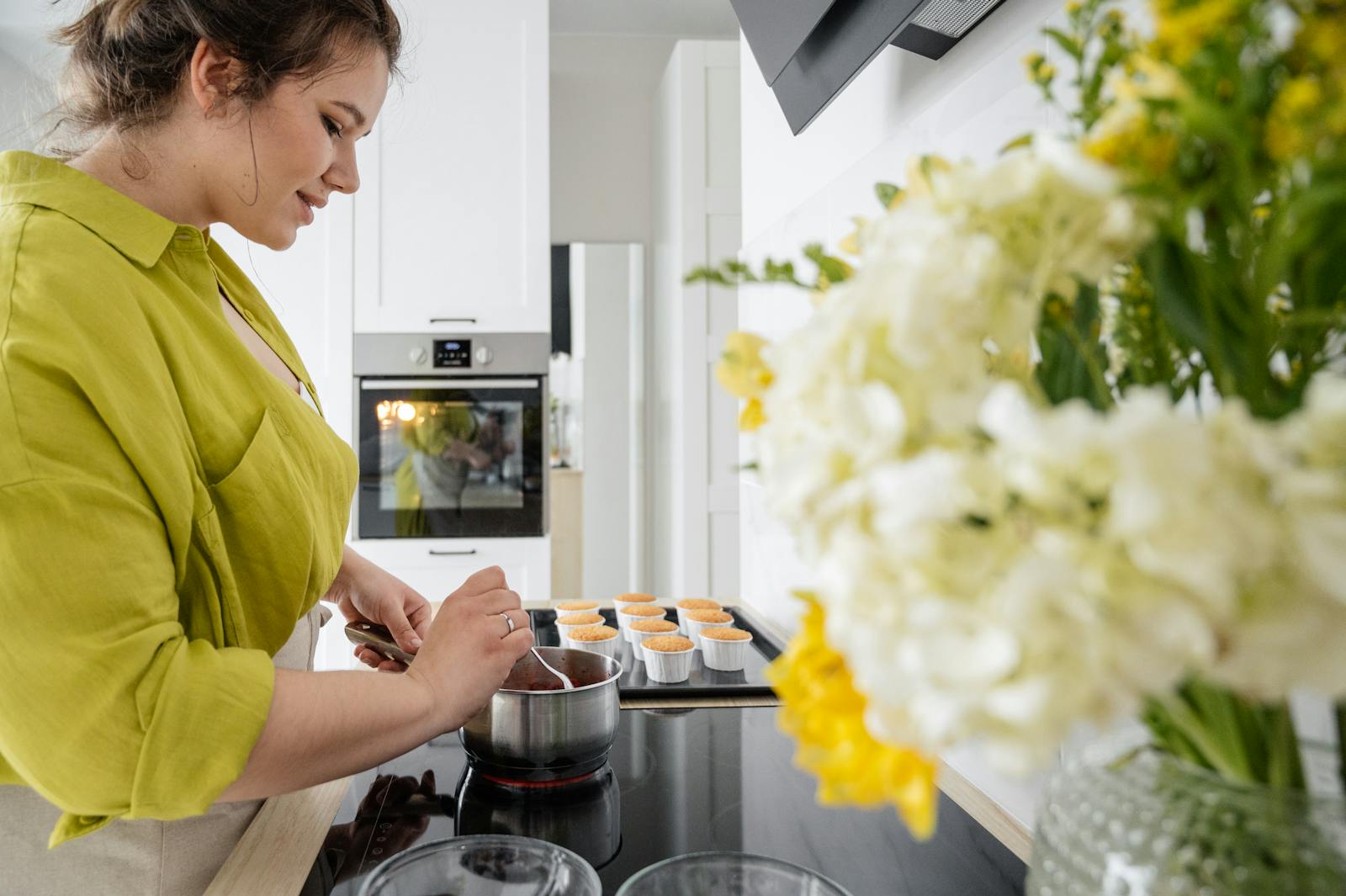
Many people find solace in the kitchen, using cooking as a therapeutic outlet. The act of preparing food can provide a sense of control and focus, allowing individuals to escape from overwhelming emotions or stressful situations. Engaging in the tactile experience of chopping vegetables or stirring a pot can ground a person, offering a momentary reprieve from anxiety.
2. A Creative Outlet
Cooking allows for creativity and self-expression, which can be particularly appealing during stressful times. For those who enjoy experimenting with flavors and ingredients, the kitchen becomes a canvas. This creative process not only distracts from stressors but also fosters a sense of accomplishment when a dish is successfully created.
3. Nostalgia and Comfort
Food often evokes memories of comfort and security, especially dishes associated with childhood or family gatherings. When stress levels rise, individuals may turn to cooking favorite recipes in search of emotional comfort. This connection to the past can provide a sense of warmth and familiarity, making it a go-to coping mechanism during tough times.
4. The Social Aspect of Cooking
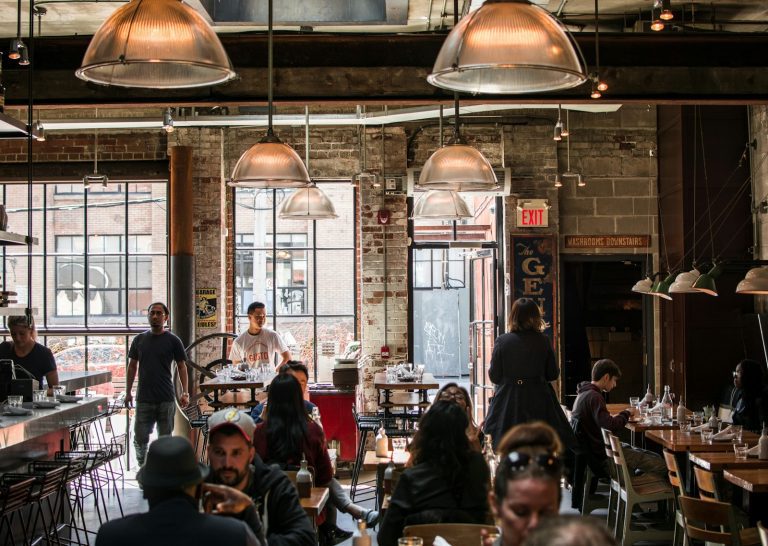
Cooking can be a communal activity, fostering connections with family and friends. When individuals face stress, they might seek solace in shared meals or cooking experiences. This social interaction can alleviate feelings of isolation and provide emotional support, making the kitchen a hub of connection during challenging moments.
5. Mindfulness and Focus
Cooking requires attention to detail, from measuring ingredients to monitoring cooking times. This focus can serve as a form of mindfulness, drawing attention away from stressors and into the present moment. For many, the kitchen becomes a sanctuary where worries dissipate as they concentrate on the task at hand, promoting mental clarity and relaxation.
6. Healthy Coping Mechanism
Turning to cooking as a stress relief strategy can be healthier than other alternatives, such as excessive eating or substance use. Preparing meals at home often leads to better nutritional choices, supporting physical health while also addressing emotional needs. This dual benefit makes cooking an appealing option for those looking to manage stress effectively.
7. A Sense of Accomplishment
Successfully preparing a meal can instill a sense of achievement, particularly during times when other aspects of life feel uncontrollable. This feeling of accomplishment can boost self-esteem and provide a positive outlet for frustration. By channeling energy into cooking, individuals can cultivate a sense of pride and satisfaction, which can offset feelings of inadequacy or helplessness.
8. Routine and Structure
Establishing a cooking routine can create a sense of stability in times of chaos. For many, planning and preparing meals provides a structured way to approach daily life, helping to manage time and reduce anxiety. This structure can be particularly beneficial during stressful periods, allowing individuals to regain a semblance of normalcy through the predictability of cooking.
9. Exploring New Ingredients and Techniques
Stress can inspire individuals to explore new culinary techniques or ingredients, turning an ordinary cooking session into an adventurous exploration. This willingness to experiment can be a positive distraction from stress, as individuals immerse themselves in learning something new. The excitement of trying out a different cuisine or technique can transform cooking from a chore into a joyful experience.
The Importance of Recognizing Patterns
Understanding the reasons behind stress-cooking can empower individuals to adopt healthier coping strategies. While cooking can be beneficial, it is essential to recognize when it becomes a crutch for dealing with underlying issues. By acknowledging these patterns, individuals can seek alternative methods of managing stress, such as exercise, meditation, or therapy.
Conclusion: Cooking as a Coping Strategy
Cooking when stressed reflects a complex interplay of psychological, emotional, and social factors. For many, the kitchen serves as a refuge, offering comfort, creativity, and a sense of accomplishment. By recognizing the implications of this behavior, individuals can better navigate their stress and explore additional pathways to emotional well-being.

As a mom of three busy boys, I know how chaotic life can get — but I’ve learned that it’s possible to create a beautiful, cozy home even with kids running around. That’s why I started Cultivated Comfort — to share practical tips, simple systems, and a little encouragement for parents like me who want to make their home feel warm, inviting, and effortlessly stylish. Whether it’s managing toy chaos, streamlining everyday routines, or finding little moments of calm, I’m here to help you simplify your space and create a sense of comfort.
But home is just part of the story. I’m also passionate about seeing the world and creating beautiful meals to share with the people I love. Through Cultivated Comfort, I share my journey of balancing motherhood with building a home that feels rich and peaceful — and finding joy in exploring new places and flavors along the way.