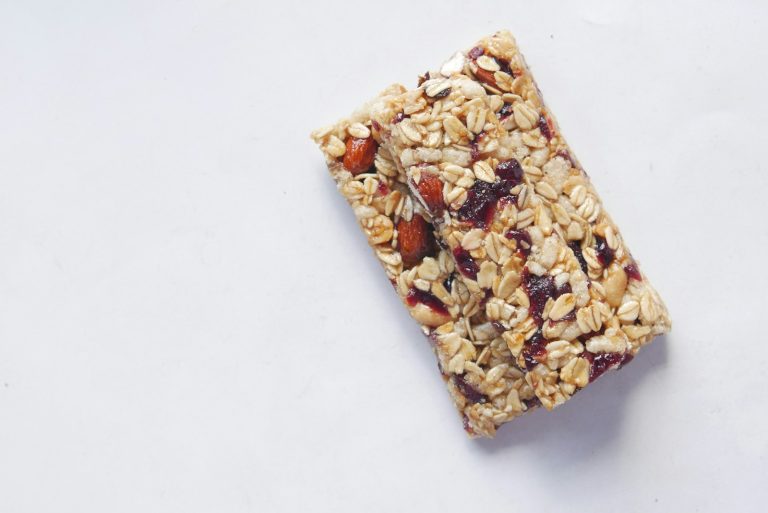
Recent surveys and psychological studies reveal that the habit of hiding snacks around the house is more than just a quirky behavior; it may indicate deeper personality traits and lifestyle choices. This intriguing finding affects many individuals, particularly those who often seek comfort in food or who navigate complex emotional landscapes. Understanding these hidden habits can provide valuable insights into personal habits and mental well-being.
1. Emotional Eating
One of the most common reasons for hiding snacks is emotional eating. Individuals who experience stress, anxiety, or sadness may turn to food for comfort. By keeping snacks hidden, they can consume them without drawing attention to their habits, often as a way to cope with overwhelming emotions or situations.
2. Fear of Judgment
People often hide snacks due to a fear of being judged by family members or friends. This behavior can stem from societal pressures regarding body image and health. When individuals feel insecure about their eating habits or choices, they may choose to conceal their snacks to avoid negative comments or scrutiny.
3. A Need for Control
Hiding snacks can also reflect a desire for control in one’s life. In a world where many elements are unpredictable, individuals may find comfort in managing their food intake. By keeping snacks out of sight, they can regulate when and how much they eat, providing a sense of order amidst chaos.
4. Indulgence and Restraint
For some, the act of hiding snacks represents a balance between indulgence and restraint. These individuals may enjoy the thrill of sneaking a treat while also attempting to adhere to dietary goals. The hidden snacks become a reward system, allowing them to indulge without feeling guilty or compromising their overall health objectives.
5. Childhood Conditioning
Childhood experiences often shape adult behaviors, including food-related habits. If someone grew up in an environment where treats were limited or had to be earned, they might develop a tendency to hide snacks as adults. This behavior can be a reflection of learned patterns from formative years, where food was associated with restriction rather than enjoyment.
6. Convenience and Accessibility
In today’s fast-paced world, many people prioritize convenience and accessibility. Hiding snacks around the house can be a practical solution for busy individuals looking for quick energy boosts throughout the day. By placing snacks in various locations, they ensure that food is readily available when cravings strike, promoting a more efficient lifestyle.
7. Social Dynamics
Social dynamics can significantly influence eating behaviors. In shared living situations, individuals may hide snacks to prevent conflicts over food. Whether it’s a roommate who tends to consume others’ snacks or family members with differing dietary restrictions, keeping snacks hidden can help maintain peace and avoid potential disputes.
8. A Love for Surprise
Finally, some individuals simply enjoy the element of surprise that comes with finding hidden snacks. This playful behavior can add a sense of adventure to their daily routine. For these snack enthusiasts, the thrill of discovery can make the experience of eating more enjoyable and exciting, turning an ordinary moment into something special.
Conclusion: Understanding the Implications
While the act of hiding snacks may seem trivial, it reflects various psychological and social factors that can reveal much about an individual’s personality and lifestyle. From emotional eating to childhood conditioning, these hidden habits can provide insight into how people navigate their relationship with food. Recognizing and addressing these underlying motivations can promote healthier eating habits and improve overall mental well-being.
As society continues to evolve and conversations around body image and health grow more nuanced, understanding such behaviors becomes crucial. Individuals who recognize these patterns in themselves may benefit from exploring their motivations further, potentially leading to healthier relationships with food and themselves.

As a mom of three busy boys, I know how chaotic life can get — but I’ve learned that it’s possible to create a beautiful, cozy home even with kids running around. That’s why I started Cultivated Comfort — to share practical tips, simple systems, and a little encouragement for parents like me who want to make their home feel warm, inviting, and effortlessly stylish. Whether it’s managing toy chaos, streamlining everyday routines, or finding little moments of calm, I’m here to help you simplify your space and create a sense of comfort.
But home is just part of the story. I’m also passionate about seeing the world and creating beautiful meals to share with the people I love. Through Cultivated Comfort, I share my journey of balancing motherhood with building a home that feels rich and peaceful — and finding joy in exploring new places and flavors along the way.