

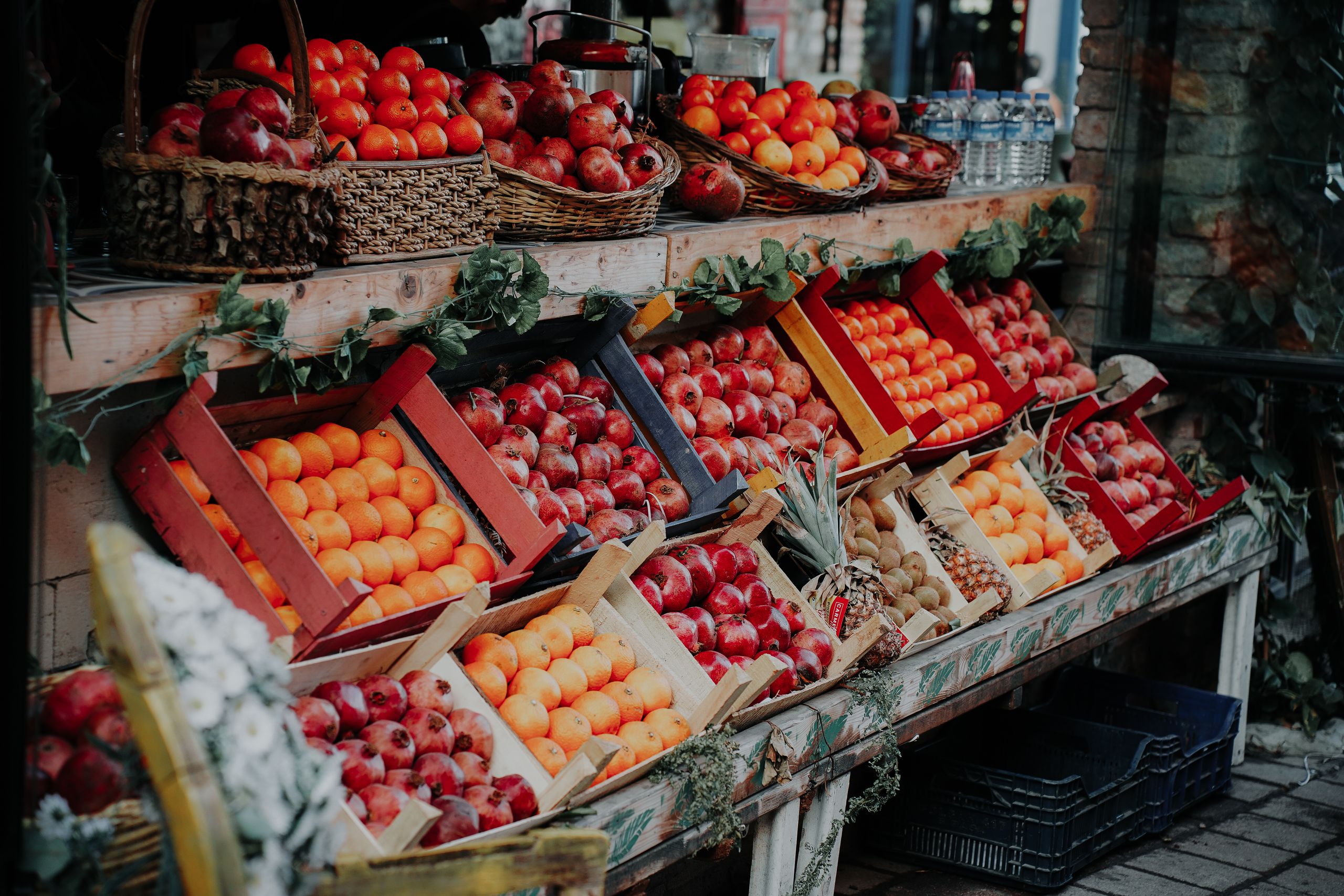
Fresh vegetables are now expected to cost 5.9% more this year than last, more than double the rate of grocery inflation overall. That’s the newest figure from the USDA’s Economic Research Service, updated August 25 and buried well below the beef and egg headlines that have dominated grocery coverage lately. Fresh fruit is tracking a 2.9% increase over the same stretch. Dairy, oddly, is the outlier holding steady. None of these numbers made the splashy headlines this summer, but if you’ve noticed your produce bill climbing faster than the rest of your cart, the government’s own data backs that up, and explains why.
The USDA’s Food Price Outlook is the federal government’s running forecast for how much everyday groceries will cost, updated monthly using Consumer Price Index and Producer Price Index data across 15 food categories. The overall food-at-home number, everything you buy to cook or eat at home, is forecast to rise 2.5% in 2026. Fresh produce is running well ahead of that pace, which is notable because produce isn’t usually where grocery inflation concentrates.

Vegetables are the fastest-moving category most shoppers aren’t watching
The ERS forecasts fresh vegetable prices climbing 5.9% in 2026, with a possible range of 4% to 8% depending on how the rest of the year plays out. That’s not evenly distributed across the produce aisle, either. USDA’s July 2026 retail price data shows tomatoes up 12.8% year-over-year, lettuce up 7.5%, and potatoes up a comparatively modest 3.4%. Tomatoes and lettuce are doing most of the heavy lifting on that 5.9% average, a reminder that a single category-wide percentage can hide wildly different realities item to item.
Fresh fruit is climbing too, just less dramatically. The ERS puts 2026 fruit inflation at 2.9%, with a forecast range of 1.4% to 4.4%. Month-over-month, prices rose 1.1% between June and July 2026 alone, and were 4.9% higher than the same point in July 2025. Both fresh produce categories are running above their own historical averages, according to the agency’s own data. This isn’t just seasonal noise; it’s a genuine acceleration.
Dairy is quietly going the other direction
Dairy is the surprise in this data set. USDA’s forecast has dairy product prices essentially flat for 2026 (“unchanged” is the word the agency uses), even as the broader food-at-home basket rises 2.5%. Part of the explanation shows up further back in the supply chain: farm-level milk prices are forecast to drop 6.3% this year. When the price farmers get for raw milk falls, it eventually shows up, with a lag, in what you pay for the milk, cheese, and yogurt on the shelf.
That divergence is worth sitting with. Beef prices spent much of late 2025 running around 15% higher year-over-year before decelerating, and eggs have swung wildly enough to become their own recurring news story, according to Grocery Dive’s reporting on USDA’s broader 2026 forecast, which also flagged sugar and sweets (up 6.7%) and non-alcoholic beverages (up 5.2%, largely coffee-driven) as the categories running hottest overall. Dairy sitting still while produce climbs is the kind of split that gets lost when headlines default to whichever category is loudest that week.

Why the forecast keeps moving
These numbers aren’t fixed, USDA revises its Food Price Outlook monthly, and the produce forecast in particular has moved a lot over the course of 2026. Earlier-year projections from the agency had pegged vegetable and fruit inflation much closer to flat, before both categories were revised sharply upward as the summer data came in. That kind of mid-year swing is exactly why a forecast released in February can look outdated by August, and why it’s worth checking the current numbers rather than something quoted from months back.
Weather, transportation costs, and labor all factor into why fresh produce is proving harder to keep cheap than dairy right now, though the USDA’s summary findings don’t break out a single cause. What the data does make clear is that grocery inflation in 2026 isn’t a single story playing out evenly across the cart. It’s produce running hot, dairy running flat, and a handful of pantry categories, sugar, coffee, other sweetened beverages, quietly outpacing all of it. Anyone budgeting by category rather than by total receipt is going to notice the vegetable aisle before anything else moves.
The practical upshot: if your grocery bill has crept up this year and you’ve been blaming meat or eggs, check your produce receipts first. The government’s own numbers say that’s where the real acceleration is happening.

