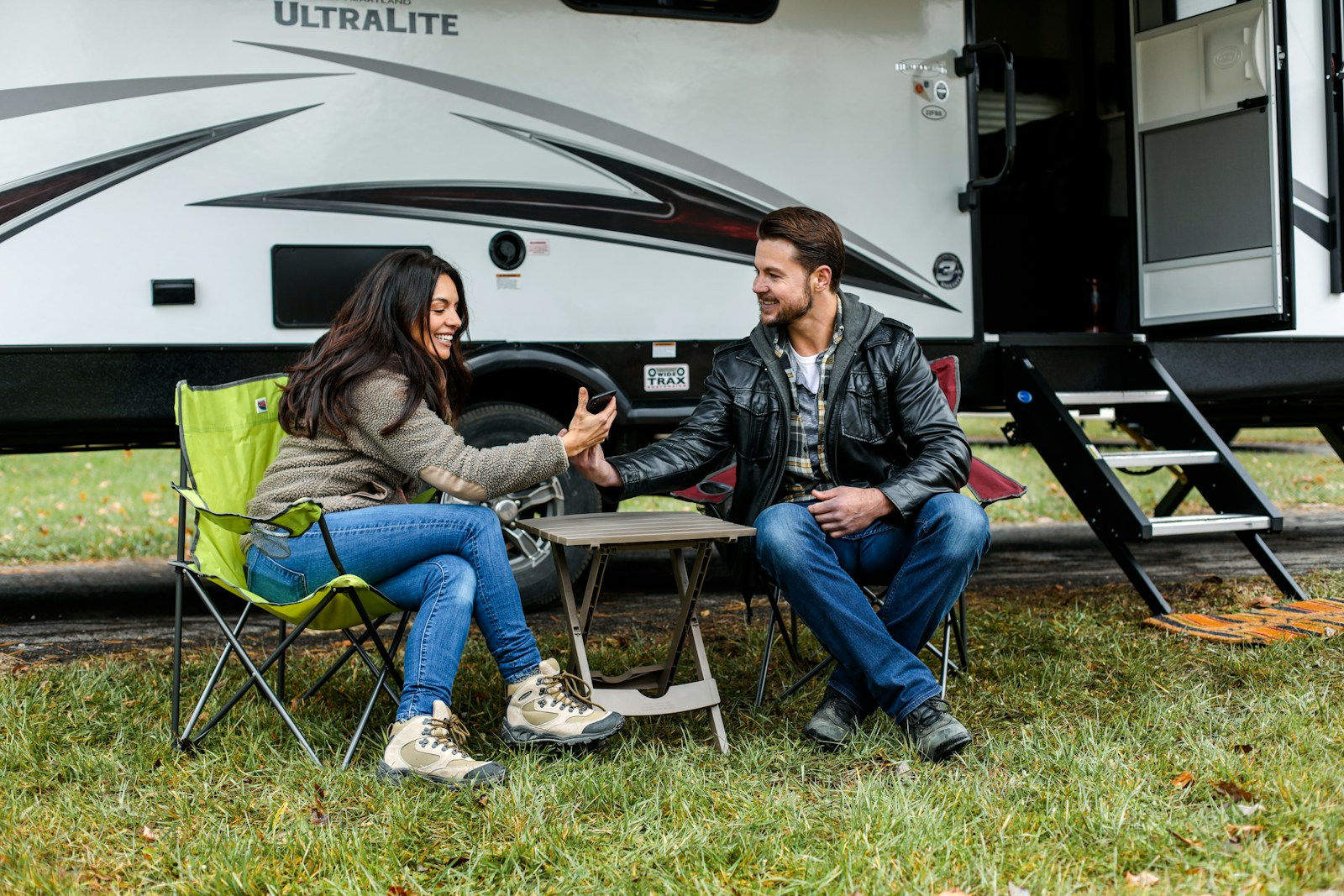
For years, the road-trip identity and RV ownership were basically treated as the same thing, you weren’t a real RV traveler unless you had one parked in your driveway year-round. RVshare’s newly released 2026 travel trend report makes the case that this assumption is quietly breaking down. Flexibility, comfort, and value are the three pillars the company says will define RV travel in the year ahead, and all three point in the same direction: more travelers renting the experience rather than committing to owning it outright.
The Math Stopped Favoring Ownership
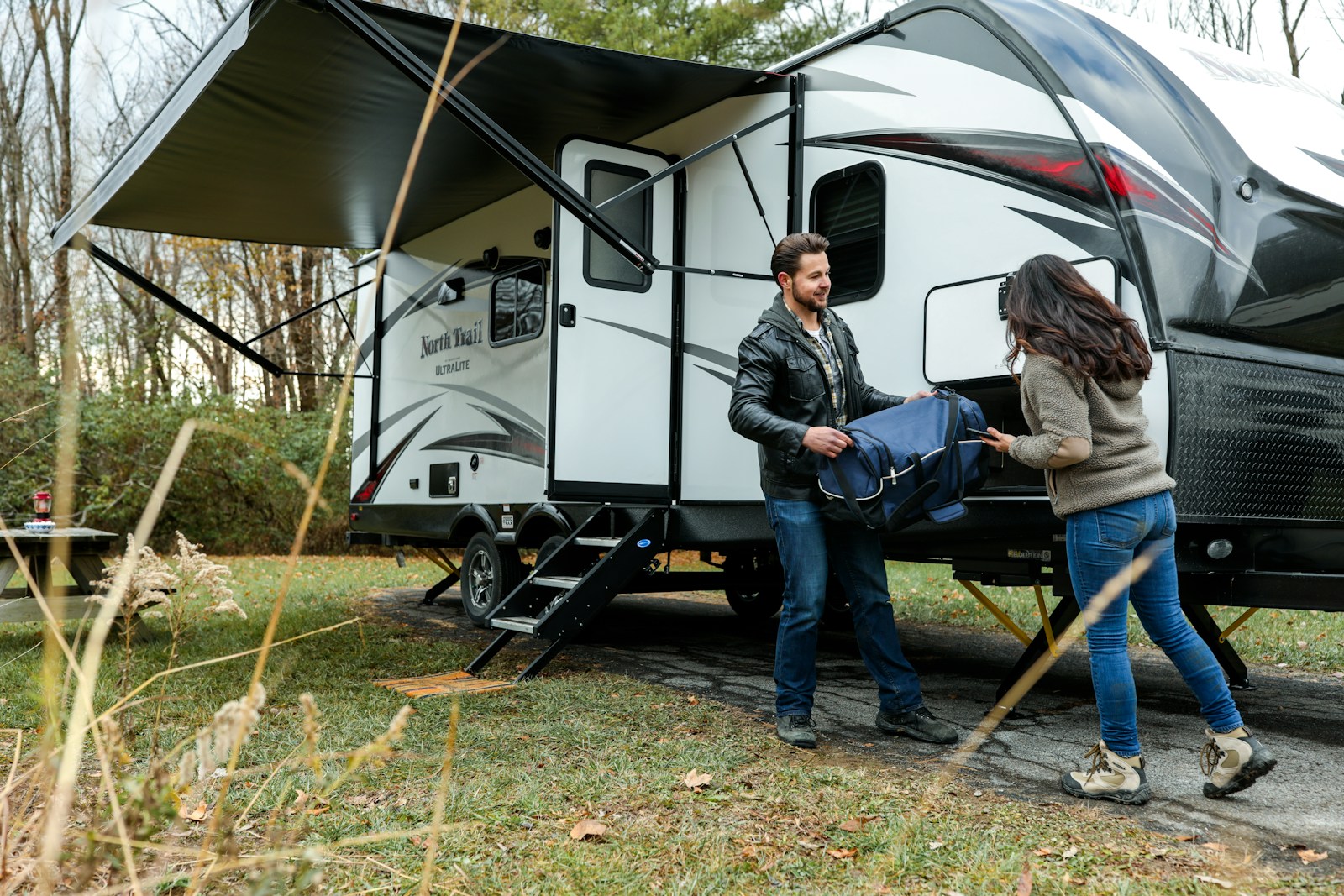
An RV isn’t a cheap accessory to owning, it’s closer to owning a second vehicle that depreciates, needs storage, and requires maintenance whether or not you’re actually using it. For a household that takes two or three RV trips a year, the annual cost of ownership rarely pencils out against renting for just those specific trips. RVshare’s trend report frames value as one of the defining themes for 2026 travelers specifically because more people are running that math and landing on rental as the better deal, not as a downgrade from ownership but as the financially smarter version of the same trip.
Storage and Maintenance Are Bigger Deterrents Than People Admit Upfront
Buying an RV solves the trip you’re planning and creates a year-round problem you didn’t plan for. Somewhere has to store a vehicle that size for the 40-plus weeks a year it isn’t in use, and that storage isn’t free, particularly in areas where HOAs restrict parking large vehicles at home. On top of storage, there’s routine maintenance, winterizing, and the kind of mechanical upkeep that a rental company absorbs on the renter’s behalf instead. RVshare’s emphasis on comfort as a 2026 travel priority lines up with this directly, travelers want the road-trip experience without the second job of maintaining the vehicle that makes it possible.
Renting Lets People Test the Lifestyle Before Committing to It
Not everyone who rents an RV is avoiding ownership forever, plenty are using rentals as a trial run before deciding whether the lifestyle is actually for them. That’s a meaningfully different behavior than the traditional path, where someone bought an RV based on the idea of road-tripping and then discovered whether they actually enjoyed it after the purchase was already made. Renting flips that order. It lets a family try a weekend in a towable trailer, then a longer trip in a Class C motorhome, and figure out what size and style actually fits their travel habits before spending tens of thousands of dollars finding out the hard way. RVshare’s flexibility theme captures exactly this shift, travelers want optionality over commitment, and renting is how they get it.
Flexibility Extends Beyond the Vehicle Itself
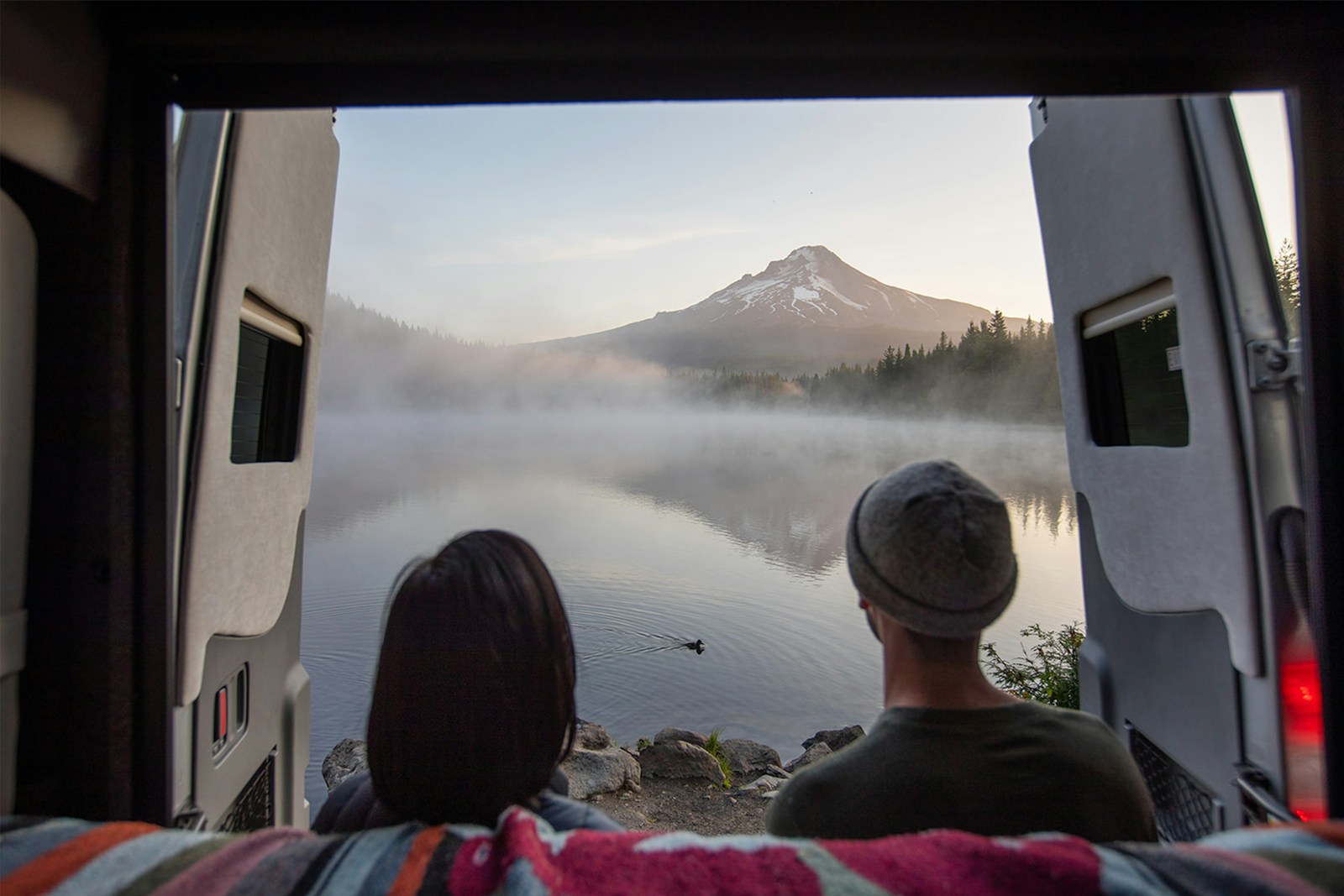
The flexibility trend isn’t limited to swapping vehicle types between trips. Renting also means travelers aren’t locked into a single home base for storage, a single vehicle size for every kind of trip, or a single travel style year over year. A couple might rent a compact camper van for a fast solo trip one season and a larger motorhome for an extended family vacation with grandparents the next, something ownership makes far more expensive and logistically complicated to replicate. That kind of adaptability is exactly what RVshare’s 2026 outlook describes as defining the year ahead, travel plans that bend around what a specific trip actually needs rather than what a single owned vehicle happens to already be.
What This Says About Road-Trip Culture Going Forward
None of this means RV ownership is disappearing, plenty of full-time and frequent travelers will always find that owning makes sense for how often they’re on the road. But the cultural assumption that serious road-trip travelers are the ones who own has clearly started to loosen. Renting has gone from a fallback for people who couldn’t justify a purchase to a legitimate, deliberate choice for people who could afford one and decided flexibility mattered more. The road trip itself hasn’t changed. What’s changed is the growing recognition that owning the vehicle was never actually the point, being able to take the trip was, and rentals now deliver that with less financial risk attached.