Ocean cruises get the headlines, the record-breaking megaships, and the splashy marketing campaigns. Meanwhile, Viking just closed out what industry trade outlet Travel Weekly described as a banner Wave season, the traditional January-through-March booking window that sets the tone for the entire cruise year. Strong bookings from one operator wouldn’t be a trend on their own. What makes this worth paying attention to is that Viking’s growth is happening alongside a broader expansion of river cruise capacity across the industry, at exactly the moment ocean cruising has started to feel, for a growing number of travelers, like more ship than they actually wanted.
A Booking Season That Says More Than Just “Business Is Good”
Wave season numbers matter because they’re a leading indicator, not a lagging one. Cruise lines lean hard into promotions during this window specifically because it’s when travelers commit to itineraries a year or more out, and strong results signal real confidence about future demand, not just a one-off marketing win. Viking’s Wave season performance landing as strongly as it did suggests travelers aren’t just filling seats that were already going to sell. They’re actively choosing river itineraries over other vacation options they could have booked instead, at a moment when travel spending overall is getting more selective, not less.
Why Smaller and Slower Is Suddenly the Selling Point
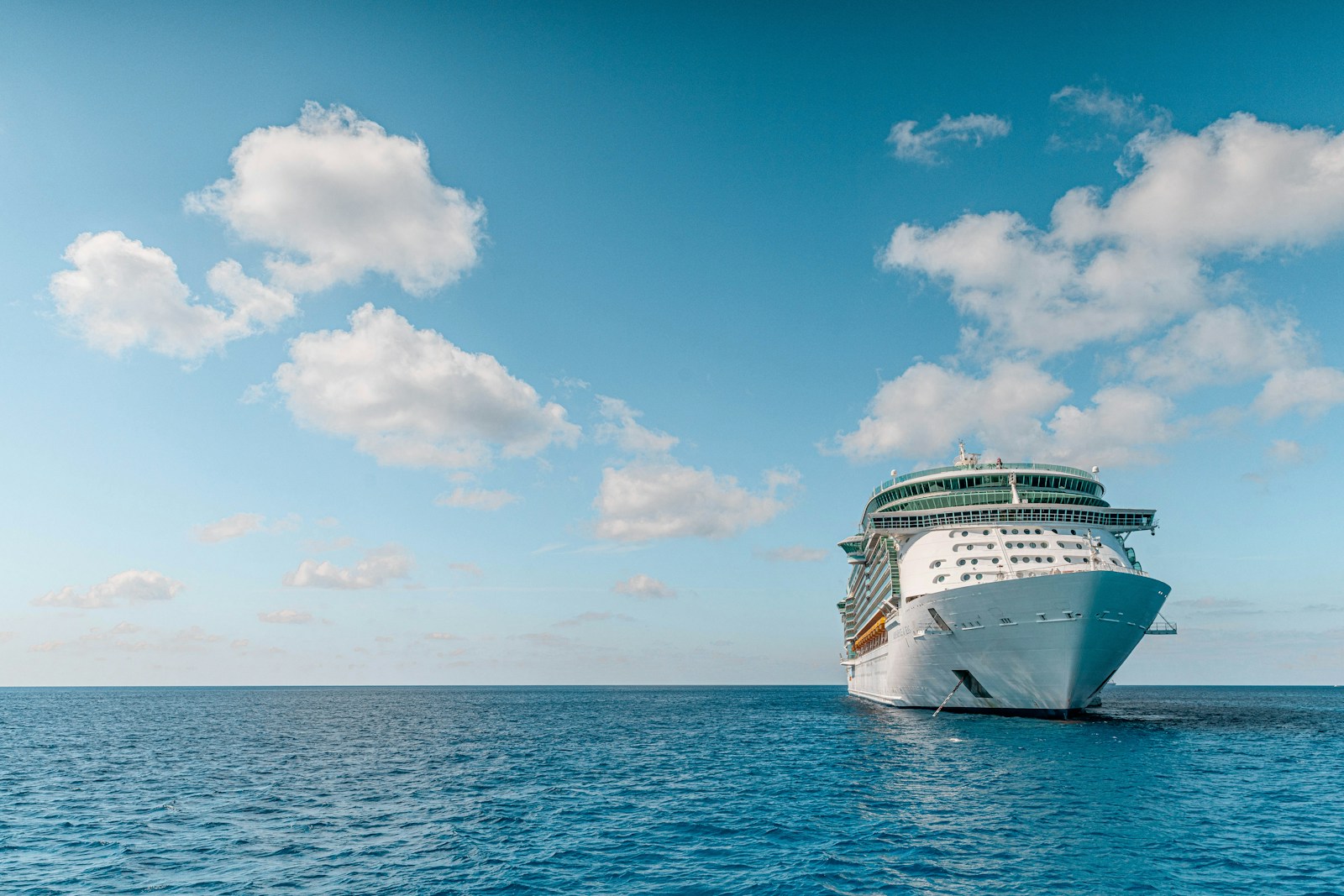
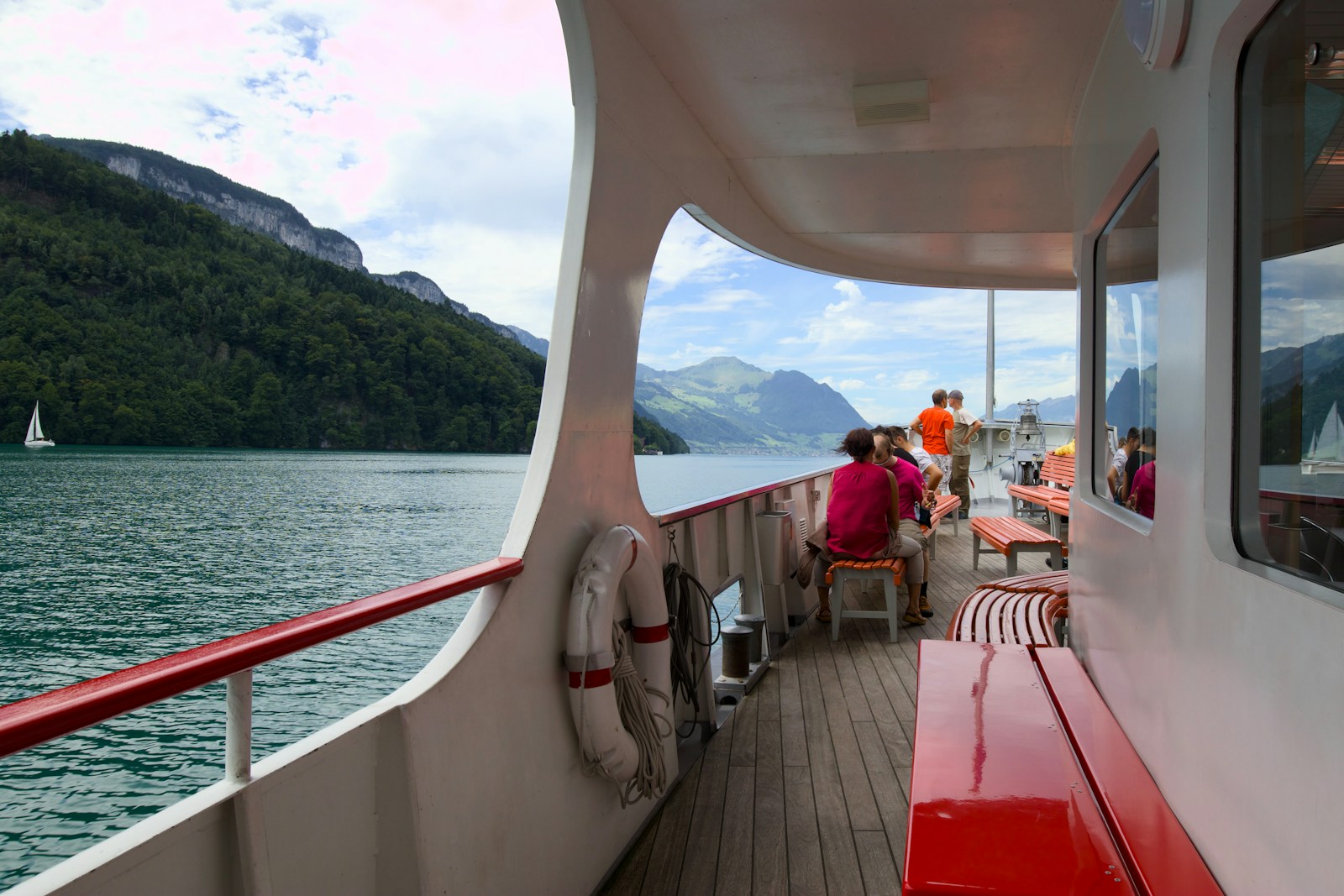
Ocean ships have spent the last decade getting bigger, with more onboard attractions, more passengers, and more of the resort-at-sea experience that comes with thousands of fellow travelers sharing your pool deck. River ships work from the opposite premise entirely. They carry a few hundred passengers instead of several thousand, dock directly in city centers instead of ports miles outside town, and move at a pace built around actually seeing the places along the route rather than treating the ship itself as the destination. For travelers who’ve started to feel like ocean cruising has drifted away from what made cruising appealing in the first place, that slower, smaller, more immersive model reads less like a compromise and more like exactly what they were looking for.
The Cultural Immersion Angle Isn’t Just Marketing Language
River routes run through the middle of destinations, not around their edges. A Rhine or Danube itinerary puts passengers in walkable town centers, vineyards, and historic districts within minutes of docking, rather than requiring a shuttle bus from a container port. That structural difference changes what the trip actually feels like day to day. Instead of one long shore excursion competing with thousands of other passengers disembarking at once, river cruise days tend to unfold at a scale where the destination still feels like a place, not a checkpoint. For travelers drawn to Europe specifically for its history, food, and small-town character, that’s not a minor detail, it’s the entire reason to pick a river itinerary over an ocean one.
What This Means for Where the Industry Goes Next
Viking’s results aren’t happening in isolation. River cruise capacity has been expanding across multiple operators as demand data like this continues to justify new ship orders, and that expansion tends to feed itself. More ships mean more itineraries, more itineraries mean more accessible pricing and departure dates, and that combination pulls in travelers who might never have considered a river cruise a few years ago. Ocean cruising isn’t going anywhere, and for travelers who want a big, all-in resort experience, it’s still the better fit. But the idea that cruising automatically means an ocean ship is quietly becoming outdated, one strong booking season at a time.
River cruising was never actually the smaller, quieter cousin of ocean cruising, it just took longer to get the attention its model deserved. What’s happening now is less of a sudden discovery and more of a correction, travelers realizing that a slower pace and a closer view of the places they’re visiting was the thing they wanted from a cruise all along.