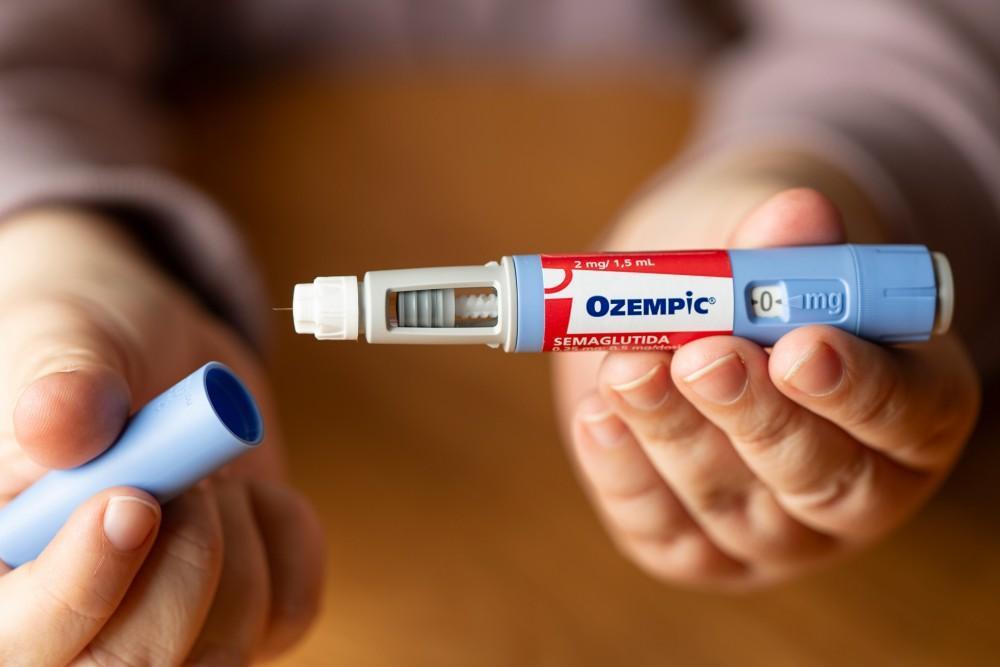
GLP-1 medications like Ozempic and Wegovy are cutting into impulse snacking across the board, but they’re doing something unexpected to one category at the same time: boosting sales of premium, indulgent chocolate, according to FoodNavigator-USA’s coverage of the trend.
Key Points
- Overall impulse and “boredom” snacking is declining among consumers using GLP-1 medications, per FoodNavigator-USA.
- Premium and indulgent chocolate is emerging as a notable exception, gaining ground even as broader snack volume among this group falls.
- The behavior is being linked to anhedonia, a reduced capacity to feel pleasure or reward from routine eating, which is reshaping what and how much this group buys.
This is not a story about medication or dosing. It’s a story about what happens to a grocery aisle when a meaningful and growing share of shoppers changes how their brains respond to food. According to the reporting, the mechanism connects to anhedonia, the blunted sense of reward that can accompany appetite-suppressing medications. Someone eating less overall, and getting less automatic pleasure from food in general, doesn’t necessarily stop wanting to feel something from what they do eat. If anything, that person may become choosier, deciding a bag of generic chips isn’t worth the calories or the effort, while a small square of genuinely good dark chocolate still delivers enough of a payoff to be worth having.
That shift has real implications for how food companies think about their shelves. Categories built around volume and habit, the multipack of crackers, the family-size bag meant to be grazed on all week, are the ones most exposed as GLP-1 use grows, since those products depend on the exact kind of low-effort, repeated snacking that’s declining in this population. Categories built around a single, deliberate moment of enjoyment are positioned very differently. Premium chocolate fits that second category almost perfectly: it’s usually consumed in small portions, marketed on quality and experience rather than quantity, and priced in a way that assumes the buyer wants one good bite rather than an entire bag.
The bigger takeaway for the food industry, per FoodNavigator-USA’s framing, is that GLP-1 medications aren’t simply shrinking snack budgets across the board. They’re reallocating them, pulling spending away from high-volume, habitual snacking and concentrating what’s left toward fewer, more deliberate indulgences. For shoppers, that can look like eating less overall while still keeping a favorite treat in the cart. For the snack industry, it’s a signal that the products built around quantity may be facing a very different kind of customer than the ones built around quality.