
When two people move in together, or two close friends decide to split rent, getting a pet together tends to get filed under “household logistics” rather than “relationship milestone.” It happens after the furniture is picked out, somewhere between merging grocery lists and arguing over the thermostat. New peer-reviewed research suggests that framing badly undersells what’s actually going on. A study published in a SAGE psychology journal by researchers Barklam and Felisberti examined what happens specifically when two people co-own a pet, and found the animal doesn’t sit passively alongside the relationship. It becomes part of how the relationship works — shaping communication, caregiving roles, and even how conflict gets resolved.
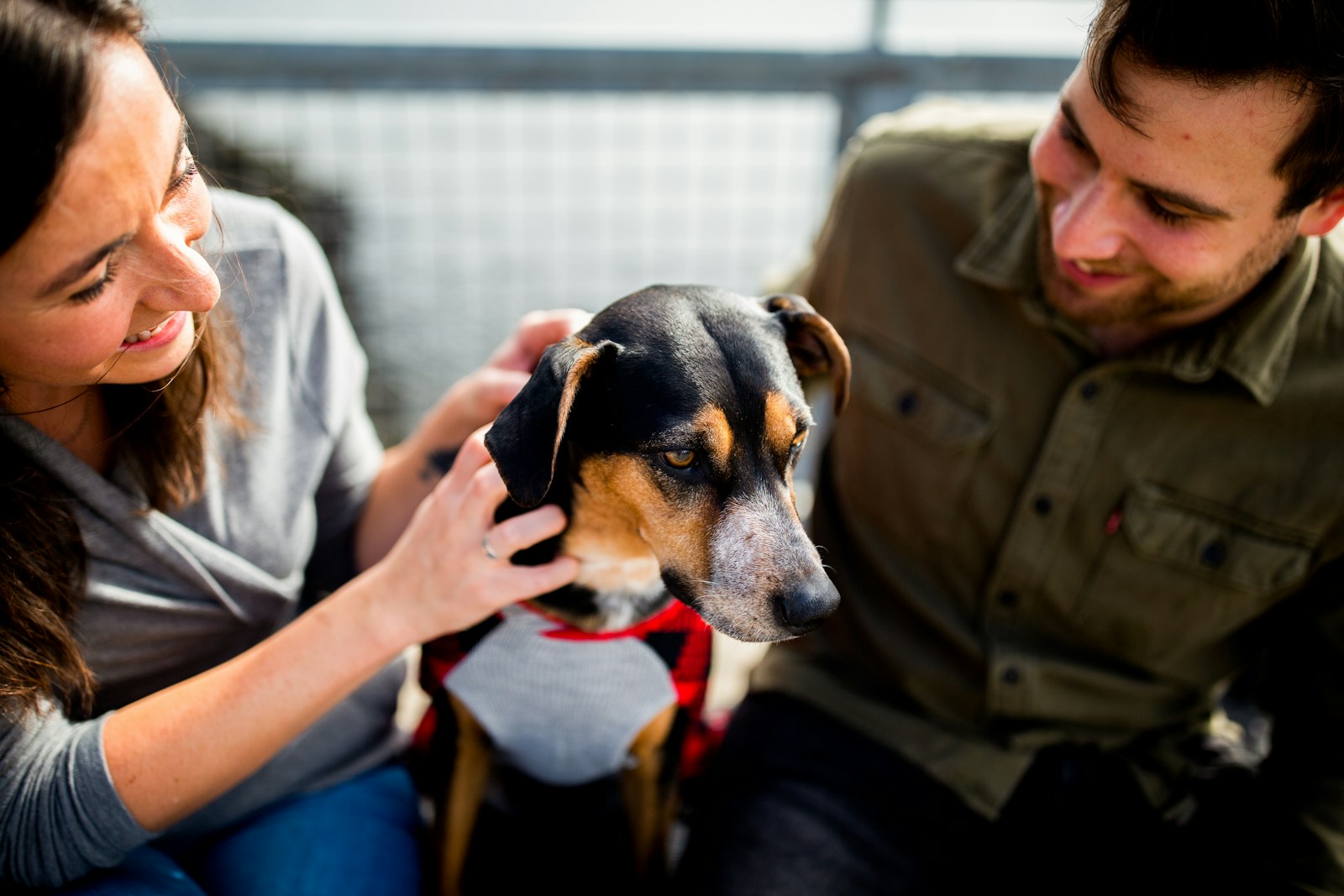
The Pet Becomes a Third Party in the Relationship, Whether You Planned That or Not
Most couples don’t think of a pet as a structural addition to their relationship the way they might think of moving in together or combining finances. But the researchers behind the study approached shared pet ownership exactly that way — as a triadic dynamic, where the animal isn’t a passive object but an active third presence that both people have to coordinate around. That coordination isn’t optional. Someone has to decide who feeds the dog before work, who takes the emergency vet visit, who says no to the cat sleeping on the pillow. According to the research on co-ownership dynamics, those small negotiations aren’t neutral. They become a running record of how equitably two people distribute responsibility, and whether both partners feel that record is fair tends to bleed into how they feel about the relationship overall.
Caregiving Duties Function as a Quiet Audit of the Relationship
If you’ve ever felt a flash of resentment because you’re always the one scooping the litter box, you already understand the mechanism the study points to. Pet care duties tend to mirror broader patterns of household labor division, and because they’re recurring, visible, and hard to fake, they end up functioning almost like an audit. One partner notices who actually gets up for the 6 a.m. walk. One partner notices who remembers the flea medication. Over time, those observations shape a person’s sense of whether the relationship runs on mutual effort or on one person quietly picking up slack. The pet, in this sense, isn’t causing the imbalance — it’s making an existing imbalance impossible to ignore.
The Same Animal Can Also Lower the Emotional Temperature
The research doesn’t only describe friction. It also identifies the pet as a genuine emotional resource inside the relationship — something both people can turn to when verbal communication has stalled or a disagreement has left the room tense. A dog nudging its head into a lap, a cat curling up between two people who aren’t currently speaking to each other, functions as a low-pressure way to reintroduce physical affection without either partner having to be the first to “break.” That reset function matters more than it sounds. Couples and friends who co-own pets often describe the animal as a shared source of comfort precisely because it doesn’t take sides, doesn’t hold grudges, and doesn’t require either person to apologize first in order to be physically close again.

Friendship Pairs Experience the Dynamic Differently Than Romantic Couples
One of the more interesting threads in the research is that it didn’t limit itself to romantic partners. Friends who co-own pets face a version of the same dynamic, but with different stakes attached. Romantic partners generally operate with an assumed, if unspoken, long-term commitment; friends who split pet ownership often don’t have that same built-in expectation, which changes how disputes over money, time, or decision-making authority get negotiated. According to the study’s findings, that difference in commitment framing shapes how conflict over the pet gets interpreted — the same disagreement about a vet bill can read as a minor logistics issue between partners and as a much larger referendum on the friendship itself between roommates.
What This Actually Means for Anyone Sharing an Animal With Someone Else
None of this means a shared pet is a relationship test disguised as a golden retriever. But the research does suggest that the day-to-day mechanics of co-ownership — who feeds, who walks, who shows up for the emergency vet run at midnight — aren’t trivial details sitting outside the relationship. They’re one of the more honest, low-stakes ways two people practice showing up for each other, which may be exactly why the bond formed over a shared leash tends to say more about a relationship than either person originally expected it to.