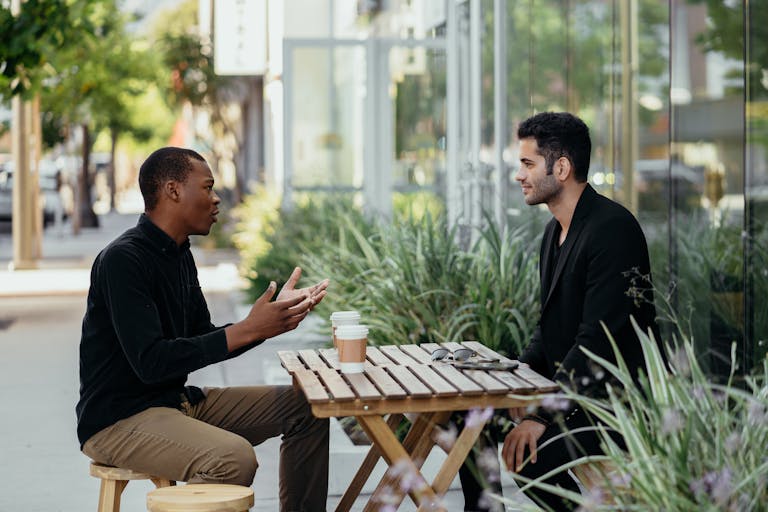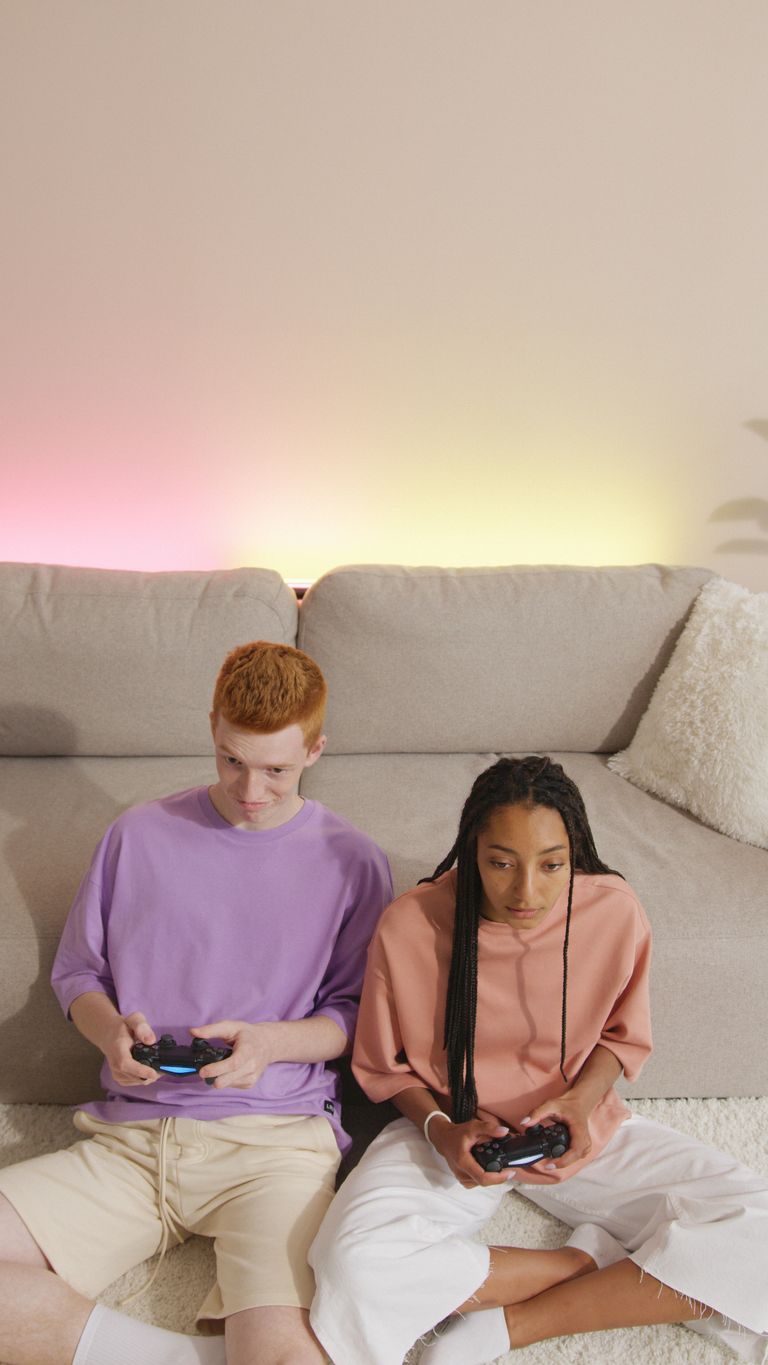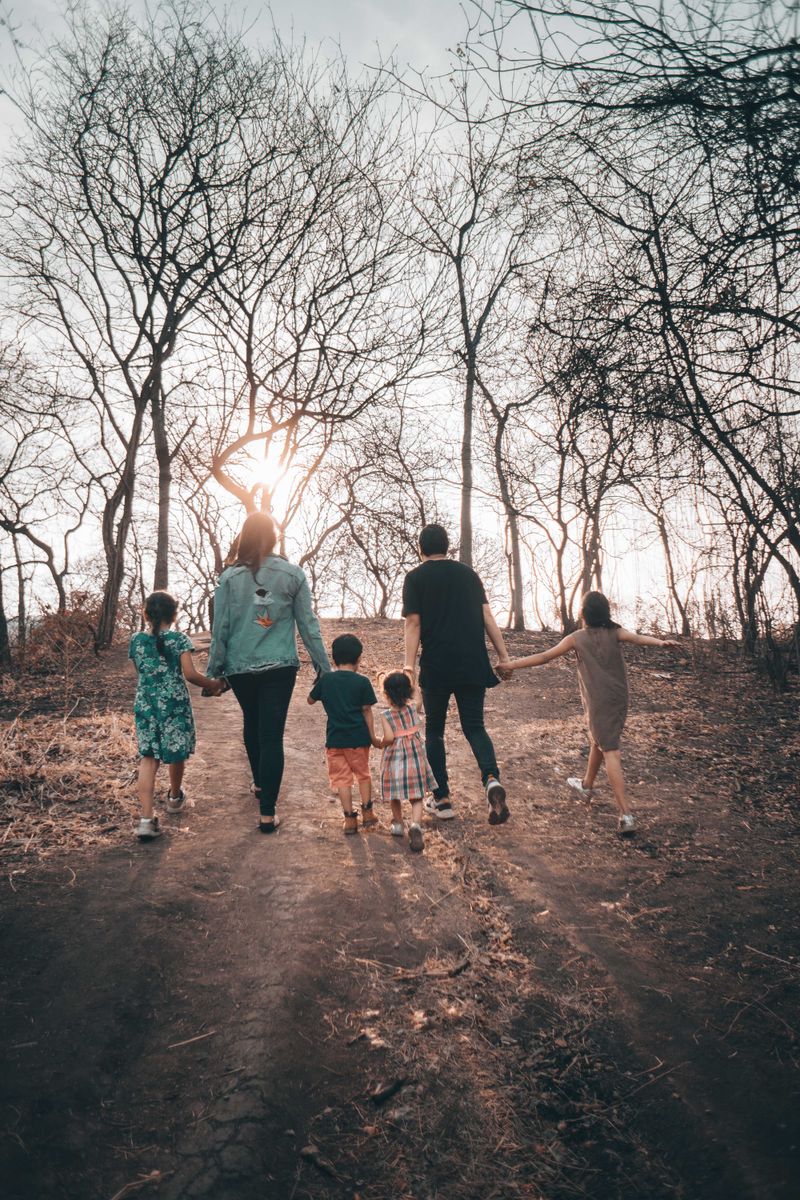
The stepdad has long been treated as a supporting character in a blended family, present but peripheral, someone who shows up for dinner and stays out of the way of “real” parenting. New research is pushing back hard on that image. A research highlight from the Population Dynamics Research Centers finds that stepfathers today are showing up as far more active, involved caregivers than the old stereotype suggests, and that stepchildren are measurably better off for it. The background figure is stepping into the frame.
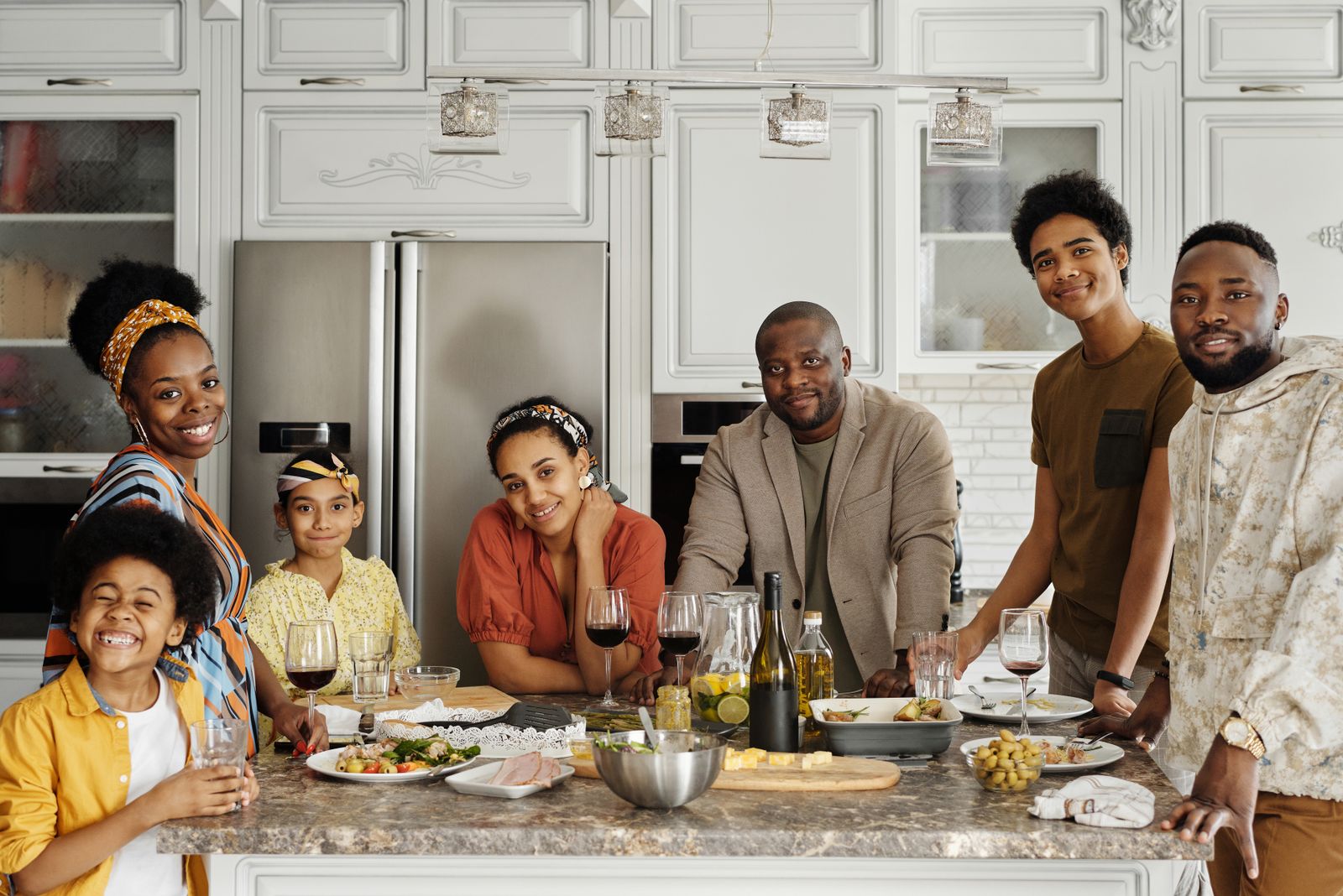
The Old Stereotype Doesn’t Match What’s Actually Happening
For decades, research and pop culture alike treated stepfathers as an afterthought in family life, someone whose role was assumed to be thinner and more distant than a biological father’s almost by default. The Population Dynamics Research Centers’ findings describe a different reality taking shape in blended families now. Stepfathers are increasingly present for the everyday work of raising kids, not just the occasional milestone or holiday appearance. That shift matters because involvement, not biology, is what the research treats as the meaningful variable in how kids in blended families actually turn out.
What “Involvement” Actually Looks Like Now
The research points to stepfathers taking on a broader, steadier role in day-to-day caregiving: helping with routines, showing up for school and activities, and building the kind of consistent presence that kids come to rely on rather than merely tolerate. According to the research highlight, this looks less like a man filling in around the edges of a household that was already running fine without him, and more like a parent whose contribution is fully woven into how the family functions.
That distinction is worth sitting with. A stepfather who shows up occasionally is easy to categorize as “the mom’s partner.” A stepfather who’s involved in homework, discipline, comfort after a bad day, and the small routines that make up most of parenting is functioning as a parent, full stop, regardless of the label a family tree would put on him.
Stepkids Are Benefiting From the Shift
The more consequential part of the research is what this increased involvement is doing for stepchildren. The Population Dynamics Research Centers link greater stepfather engagement to better outcomes for kids growing up in blended households, reinforcing a broader pattern in family research: children tend to do better with more consistent, invested adults around them, and the biological relationship to those adults turns out to matter less than the quality and steadiness of the relationship itself.
That’s a meaningful finding for the huge number of families where a stepfather is a permanent fixture rather than a temporary arrangement. It suggests that the anxiety many stepdads carry about whether they’re “allowed” to parent, or whether a stepchild will ever really see them as family, may be working against outcomes that active involvement tends to produce anyway. Kids don’t need a stepfather to replace a biological father. They benefit from having another adult who’s genuinely, consistently there.
Why This Involvement Tends to Deepen Over Time
Part of what makes the research notable is the implication that stepfather involvement isn’t fixed at the moment a blended family forms. It tends to build as trust accumulates between a stepfather, his partner, and the kids, which means families that feel distant or tentative early on aren’t necessarily locked into that dynamic. The research frames involvement as something that develops through consistent, everyday effort rather than something a stepfather either naturally has or doesn’t.
That framing matters for how blended families think about timelines. A stepfather who feels like an outsider in year one of a marriage isn’t evidence that the relationship is doomed to stay that way. The research suggests the opposite is more common: stepfathers who keep showing up gradually become as central to a child’s sense of family as any other steady adult in the house.
A Role That’s Being Rewritten From the Inside
What the research ultimately captures is a quiet redefinition of what a stepfather is for. The old model treated the role as inherently limited, a partner to the mother but not quite a parent to the kids. The newer picture is of men actively building parental relationships from scratch, on a timeline that has nothing to do with biology and everything to do with showing up. For stepkids, the research suggests that steady presence, more than any label, is what actually shapes how a blended family feels from the inside.