The server hands you the wine list, and suddenly the table gets a little quiet. You scan the prices, and your eyes skip the most expensive bottles. You also do not want to be the person who points at the cheapest one on the page. So you land somewhere near the bottom, but not quite at the bottom. The second cheapest bottle feels like a safe, sensible choice.
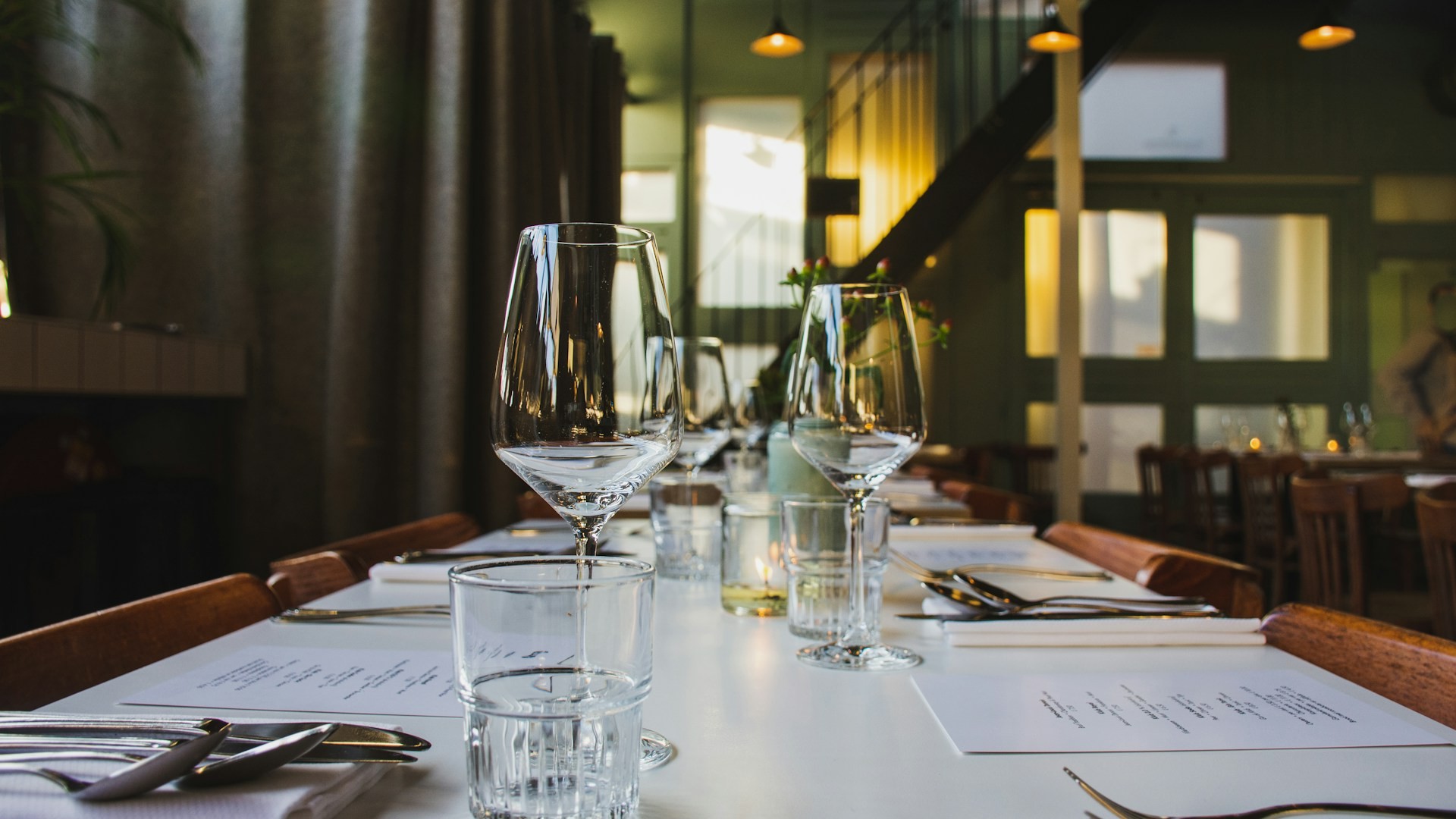
You are not alone in that thinking. Many diners do exactly this to avoid looking cheap, and restaurants may well expect it. That is the “second cheapest bottle” trap. It is not a scandal, and nobody is picking your pocket. But it is worth knowing about, because a little awareness can help you spend your wine money on something you actually want.
Why Restaurants Mark Up Wine
Restaurants generally charge more for a bottle than you would pay in a shop. That is a normal part of how they run their business, and it covers things like storage, glassware, service and the cost of keeping a wine list stocked. A markup alone is not a sign that something is wrong. The price on the list is not the price you would see on a store shelf, so it pays to be a thoughtful shopper at the table.
The size of the markup varies from place to place. What matters is how you choose, not a formula.
The Psychology of the List
Most of us feel a little pressure when we order wine in front of other people. We worry about seeming stingy, and we worry about overspending on the other side. Choosing a bottle one step up from the lowest price feels like a polite middle ground. Restaurants may well expect people to feel this way. If you keep that in mind, you can make your pick on purpose instead of by reflex. Knowing the pattern is half the battle, because a choice made on purpose feels better than one made out of nerves.
Ask for Help in Your Price Range
This is the single best move, and it works nearly everywhere. Instead of pointing at a line, tell the server or sommelier what you like and what you want to spend. You can say, “We enjoy a light, crisp white and we would like to stay around this price. What would you suggest?” You can even point at a price on the list while you say it, so nobody else at the table has to hear a number out loud.
A good server will welcome the question. Recommending a bottle you will love is part of the job, and they often know which wines on the list are especially enjoyable for the money. You may find a bottle you never would have chosen yourself.
Consider Ordering by the Glass
If only one or two people are drinking wine, or if everyone wants something different, a bottle may be more than you need. Ordering by the glass lets each person pick what they like, and you pay only for what you pour. It also gives you a chance to taste a few different things. If a particular glass turns out to be a favorite, you can always order a bottle of it afterward.
Look Beyond the Famous Names
A familiar label can be reassuring, but it is not the only path to a good glass. Lesser known regions and grapes can be lovely and can sit lower on the list. If you are curious, ask what is drinking well right now. You might discover something wonderful, and you will not feel boxed in by the names you already know.
A Few Simple Tips for Ordering Smarter
- Decide on a budget before you open the list, and stick to it.
- Tell the server what styles you like, rather than hunting for a safe price.
- Ask whether the restaurant offers a smaller pour or a half glass, if you only want a taste.
- Check whether the restaurant lets you take an unfinished bottle home, since rules differ from place to place.
- Do not let the table pressure you. Your budget is your business.
Do Not Be Embarrassed
There is no shame in choosing an affordable wine. A well-chosen, modest bottle that suits your meal will always beat an expensive one that you chose just to impress. Servers see people order every kind of wine, and none of them will think less of you for being careful with your money.
If you are celebrating, treat yourself. That is what a special evening is for. Just make sure the treat is yours to choose, and not the result of a list that nudged you into a spot you did not mean to land.
The Bottom Line
The second cheapest bottle is not a villain, and it may well be a fine wine. The trap is picking it only because you feel awkward. Ask questions, state your price range, consider a glass, and enjoy what you pour. A confident, friendly conversation with your server is the smartest tool you have at any restaurant table, and it costs nothing at all. Next time the list arrives, take a breath before you point.
More Stories You May Like
- Shopper Tracked the Same 20 Groceries at 20 Portland Stores Every Month for 13 Months, and Then WinCo Lost Its Cheapest Store Crown by Just 21 Cents
- Guest Spends a Night at the Ritz Carlton Paris and Finds It Old Looking Expensive and Short on Customer Service
- Man Shares His Two Cents on American Tipping Culture and Why He Thinks the System Has Gotten Out of Hand