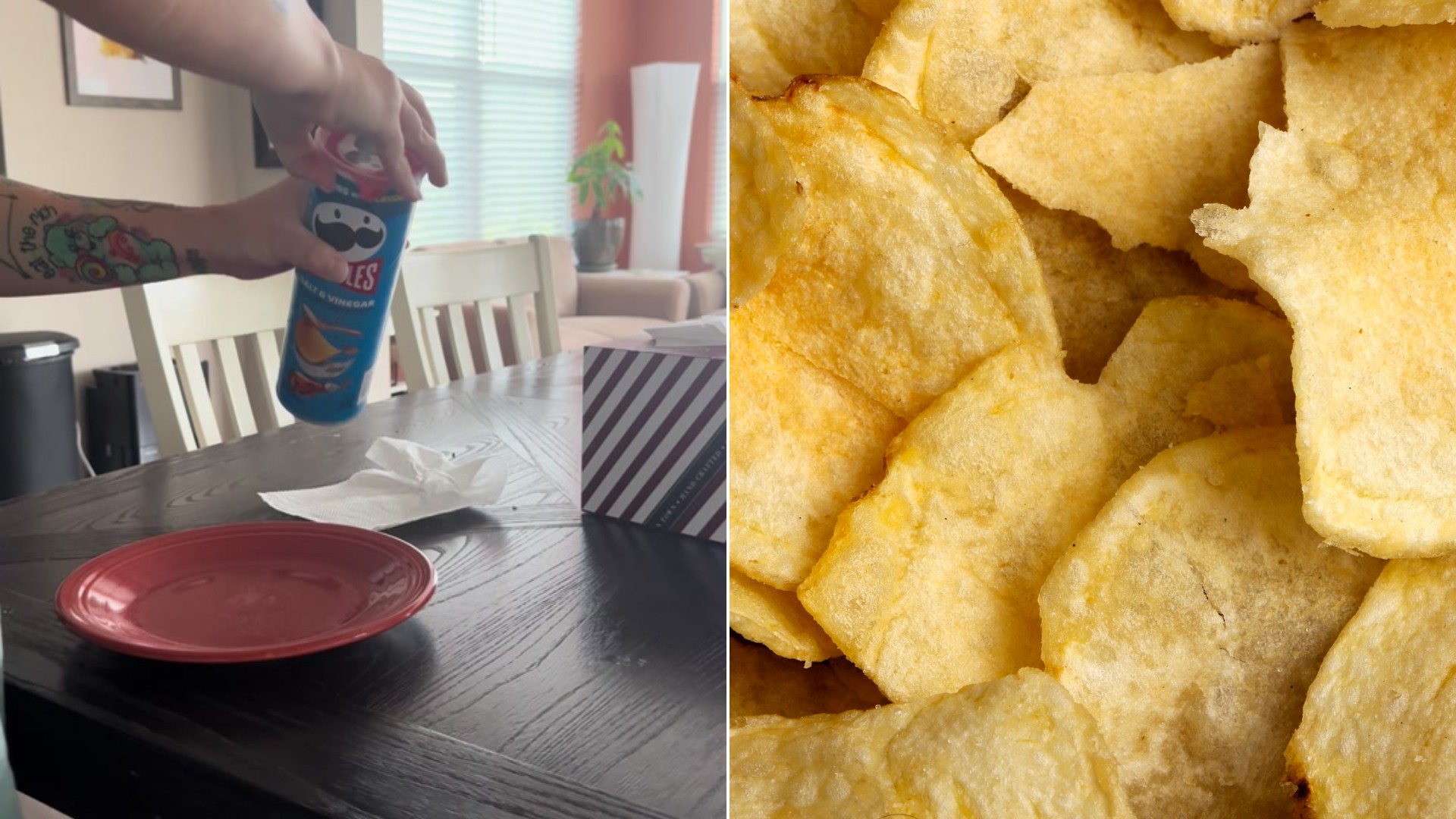
A can of Pringles is supposed to be a simple pleasure. Pop the lid, peel back the foil and enjoy a stack of crisps that has not changed much in decades. One shopper says the can in her kitchen told a different story once it hit the scale.
TikTok creator @bettyspaghetti55 shows a sealed can labeled 5.5 ounces and says it weighs only 2.31 ounces on the scale. Her verdict is blunt: she calls it a scam and wants her money back.
@bettyspaghetti55
A Sealed Can Labeled 5.5 Ounces Lands On The Scale At 2.31
The numbers she shares are hard to ignore. The label promises 5.5 ounces, and the scale she uses reads 2.31 ounces, a gap of more than three ounces.
That is a lot of missing snack if it is accurate. It also explains why her post caught the attention of shoppers who have been grumbling about shrinking portions at the grocery store for years.
The Shopper Calls It A Scam And Demands Their Money Back
She does not hedge. Her reaction is that a customer who pays for a labeled weight should get that weight, and she says she wants a refund.
Plenty of people can relate to the feeling. When you pay for a name brand, you expect the package to deliver what the front of it says, and a number that far off feels like being cheated at the checkout line.
What The Net Weight On A Food Label Actually Means
Before anyone storms the customer service desk, it helps to know how labels work. In the United States, the net weight printed on a package is supposed to describe the food inside, not the can, the foil seal, the plastic lid or the cardboard tube around it.
That means a scale will show a bigger number than the label if the package is weighed with the container on, and a smaller number if the scale has been set to subtract something it should not. A reading that lands far under the label is the kind of result that makes shoppers want to double-check their method.
There is another wrinkle. Chips are fragile, and a can is filled by volume as well as weight, which is why some cans look full on the shelf while the stack inside sits a little lower after shipping and settling. Packaging has its own rules, and the label has to be accurate when the product is packed.
How To Weigh A Snack Fairly At Home
If you want to test a package yourself, a little care goes a long way. A kitchen scale that reads in grams or ounces is the best tool, and the steps are simple.
- Weigh the sealed can first and write the number down.
- Empty the chips into a bowl and weigh the empty can, foil and lid together.
- Subtract the empty can weight from the full can weight to get the weight of the food.
- Or place an empty bowl on the scale, press the tare button to zero it, then pour the chips in.
- Repeat the test with a second can, since one reading proves very little.
Use a flat, hard surface, and check that the scale is set to ounces rather than grams so the numbers are comparable to the label. If a scale is bumped, wobbly or low on battery, its reading can drift.
Who To Call When You Think A Package Is Short
If a carefully weighed can still comes up short, you have options. Most brands print a customer care number or website on the package, and many will send a coupon or a refund if you describe the problem and share the lot code stamped on the bottom.
You can also bring the product back to the store. Grocery chains tend to be quick to refund a food item, especially when the receipt is handy and the package is still sealed.
For repeated problems, local weights and measures offices in many states inspect packaged goods and take complaints. Their job is to make sure what you pay for is what you get.
Shrinkflation Has Shoppers Counting Every Ounce
This story lands because it touches a sore spot. Many families have noticed that familiar products cost more or hold less than they used to, and that has made a lot of shoppers into amateur auditors.
Whether this particular can was an honest mistake, a scale quirk or something else, the lesson is the same. Read the label, check the unit price on the shelf tag, and do not be shy about weighing something that looks off. A few ounces here and there add up over a year of grocery runs.
Reading The Fine Print On Every Snack Aisle Trip
The front of a package is designed to sell, while the back and the bottom hold the facts. Look for the net weight statement near the bottom of the front label, the nutrition panel with serving counts, and the lot code stamped on the base of the can.
Comparing price per ounce is the quickest way to spot a bargain. The small tag on the shelf shows it, and it makes a smaller can or a bigger bag easy to judge side by side.
If you are shopping on a tight budget, store brands often sit a shelf below the famous names and carry the same kind of weight statement. A quick comparison can save a few dollars every trip without anyone feeling cheated.
More Stories You May Like
- Two Women Both 77 Lose Their Bags On The Same Dallas To Raleigh Flight, One Gets Her Bag Fee Back And The Other Gets Her Bag 3 Days Later And Her Money Never
- Frontier Passengers Get A Refund Email Filled With Real Details From Their Past Trips That Asks Them To Confirm Card Numbers, And One Man Warns It Was Kind Of Good But It Is A Scam
- Husband Leaves His Wallet On A Southwest Flight, Gets It Back In 10 Minutes, Then His Wife Says The $1,200 Cash Inside Was Gone And Hopes ‘Karma Comes Back Around In A Big Way’