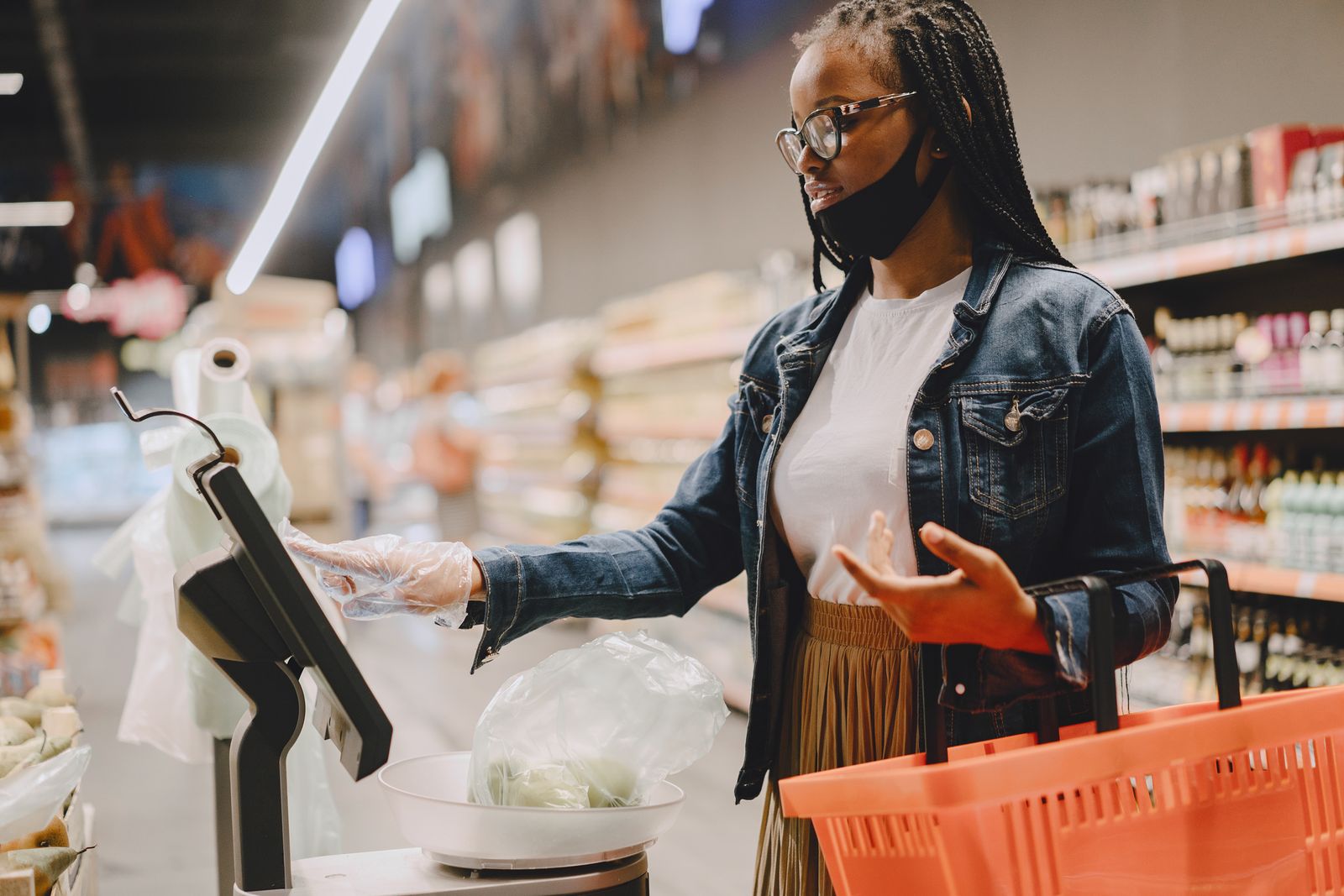
Self-checkout lanes were pitched as a way to get shoppers in and out faster, but a growing number of states are now moving to limit or staff them after data showed theft rates running far higher than at traditional registers, according to Newsweek. Several California cities have already passed rules requiring staffed lanes, and lawmakers in at least six other states are reviewing similar measures.

Key Points
- Theft rates at self-checkout lanes run roughly 65% higher than at staffed registers, per Newsweek.
- California cities have already mandated staffed checkout lanes at certain stores.
- Connecticut, Ohio, New York, Washington, Rhode Island, and Massachusetts are all reviewing bills that would restrict or regulate self-checkout use, according to Newsweek.
- The push reflects growing retailer losses tied to unscanned or under-scanned items at self-service lanes.
Self-checkout was sold to shoppers as a convenience: skip the line, scan your own groceries, and leave without waiting on a cashier. Retailers liked it too, since fewer staffed registers meant lower labor costs. But the tradeoff appears to have been steeper than expected, with stores absorbing losses from both deliberate theft and accidental under-scanning that staffed lanes were far less prone to, as Newsweek reported.
The response so far has been local and piecemeal rather than a single national rule. California’s approach, with individual cities requiring stores to keep staffed lanes open or limit how many self-checkout stations operate at once, has become something of a template. Other states now weighing legislation appear to be watching how those local mandates play out before deciding how far to go themselves.
The states currently reviewing bills span a wide range of political and geographic territory, which suggests this isn’t a narrow regional concern. Connecticut, Ohio, New York, Washington, Rhode Island, and Massachusetts lawmakers are all looking at versions of the same basic idea: either cap the number of self-checkout terminals per store, require a minimum number of staffed lanes, or mandate more employee oversight of self-checkout areas.
For grocery chains, the calculation is getting more complicated. Self-checkout was supposed to reduce labor costs while speeding up the customer experience, but if theft losses continue outpacing those savings, and state governments start requiring staffed alternatives anyway, the financial case for expanding self-checkout gets a lot shakier. Some chains have already begun quietly scaling back self-checkout availability or adding more employee monitoring at those stations in response to shrinkage concerns, even ahead of any legal requirement to do so.
Shoppers may notice the shift most directly the next time they’re funneled toward a staffed register instead of an open self-checkout kiosk. What was framed as a customer convenience is increasingly being treated by both retailers and regulators as a liability that needs active management, not a feature that runs itself.