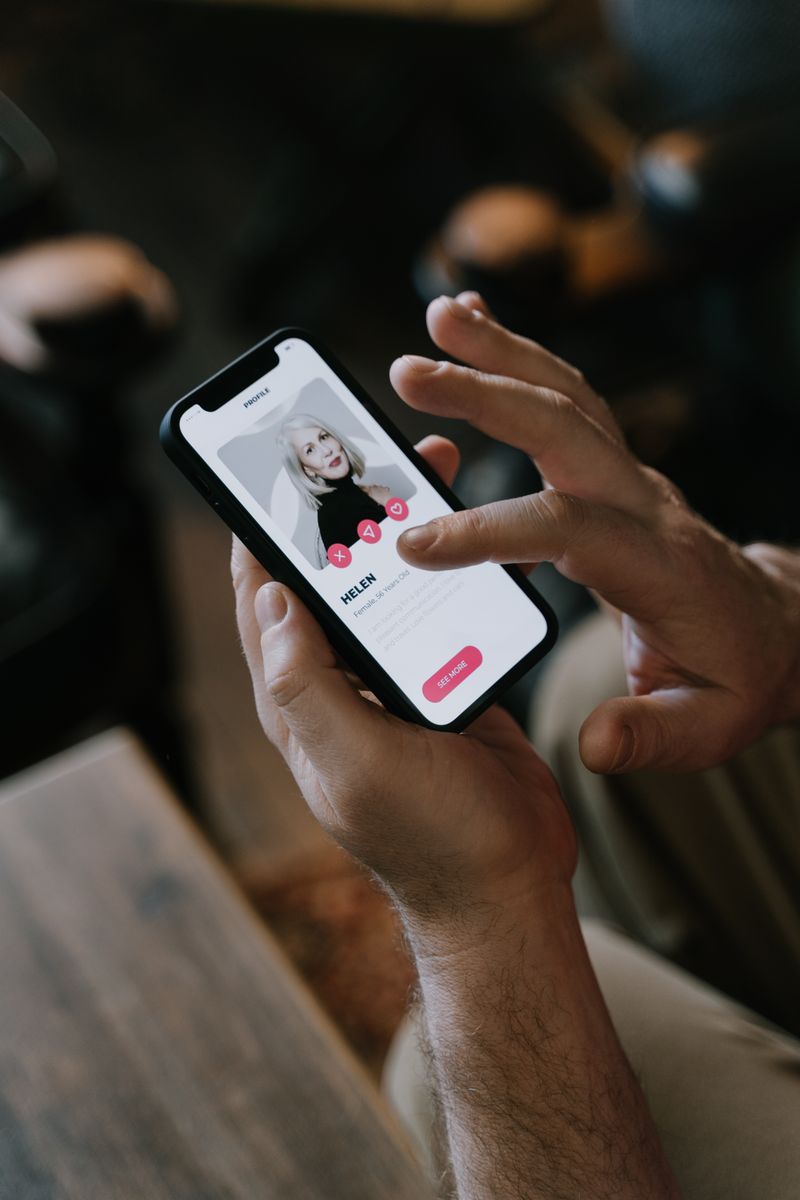
Match Group, the company behind Tinder, Hinge, and OkCupid, told investors this August that its total number of paying users fell 6% year over year. Tinder’s monthly active users were down 7%. Bumble’s paying subscribers dropped 16%, and its stock has fallen 55% over the past twelve months. These are not survey estimates or vibes-based trend pieces. They are figures from Match Group’s own second-quarter 2026 earnings release, and they tell a story that runs counter to the idea that dating app fatigue is fading. It isn’t fading. It’s turning into an outright exodus.
What the Earnings Numbers Actually Show
Match Group’s Q2 2026 report put total revenue at $853 million, down 1% year over year, with 13.3 million total payers across its platforms, a 6% decline. There is a genuine silver lining buried in the numbers: Tinder’s daily active user decline narrowed to 4% in the quarter, which the company called its best result in ten quarters, and it credited a mid-July algorithm change with pushing trends even further in the right direction through July. Hinge, meanwhile, is the one clear growth story, with revenue up 22% year over year and monthly active users up 13% globally. So the picture isn’t universal collapse. It’s a swiping-first model losing ground while a slower, more intentional model gains it.
Reporters Are Finding the Same Thing on the Ground
NPR reported in late August that the decline is steady rather than sudden, and that it is most pronounced among Gen Z and millennial users, historically the apps’ heaviest users and the demographic now dropping off fastest. Boston University social scientist Kathryn Coduto told NPR the novelty that once made swiping feel like a game has “really worn off,” and that many users now say the format leaves them “feeling like they’re being really shallow” rather than making a genuine connection. Coduto pointed to a broader post-pandemic hunger for in-person interaction, describing it as people missing “that magical element, that moment of seeing someone across the room,” something an app interface was never built to replicate.
Tinder’s Own Data Backs Up the Diagnosis
Notably, Tinder’s own year-end research doesn’t contradict this. The company’s 2025 Year in Swipe report found 64% of daters want more emotional honesty out of the entire dating landscape and 42% say friends now actively shape their dating decisions, both signs that users are looking for something the swipe-and-match format was never designed to deliver: patience, context, and social vetting rather than an instant, anonymous first impression. Match Group’s own strategic priorities for the rest of 2026, laid out in its earnings release, include an expansion of in-person Events as a user acquisition channel, essentially the company acknowledging in its own investor materials that some of what users want now lives offline.
What’s Actually Replacing the Apps
NPR’s reporting identified speed dating events and interest-based clubs, from running groups to hobby meetups, as two of the fastest-growing alternatives singles are turning to instead of, or alongside, an app profile. That tracks with Match Group’s own pivot toward in-person Events and with Hinge’s growth, since Hinge has spent years positioning itself as the app built for people who want to delete it, marketing built around the idea of leading to real dates rather than endless matching. The apps that are gaining users right now are, not coincidentally, the ones that most resemble a bridge to an offline interaction rather than an end in themselves.

None of this means dating apps are disappearing. Tinder’s DAU decline narrowing to its best mark in over two years suggests the bleeding may be slowing on at least one platform, and thirteen million people are still paying for these services every month. But the honest read of 2026’s data is not that singles got less exhausted and stuck around. It’s that a meaningful share of them ran the math, decided the format wasn’t delivering, and left, while the platforms that survive this stretch will likely be the ones that stop asking users to swipe and start asking them to show up.