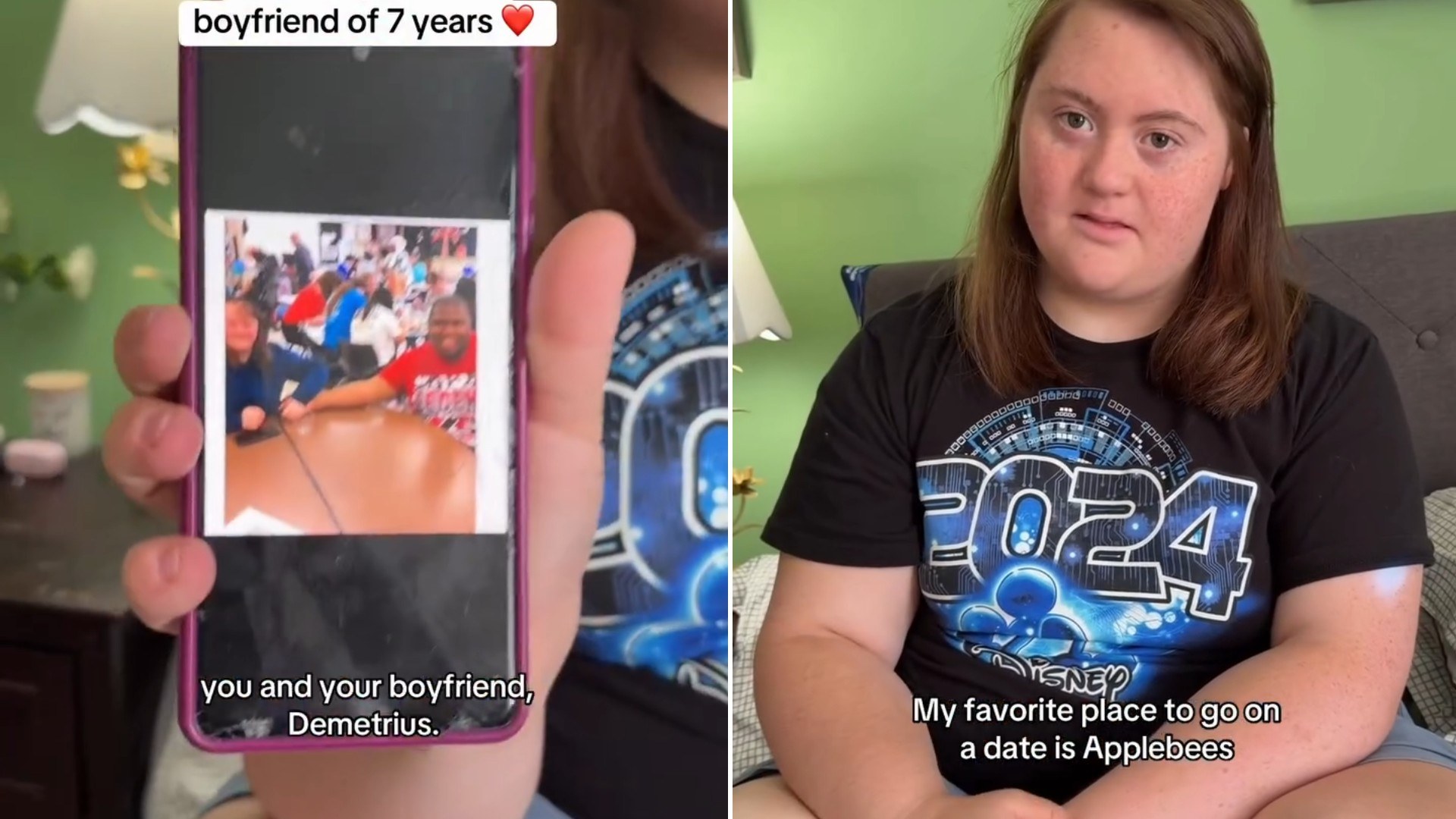
Seven years is long enough for a relationship to stop being new and start being simply part of the family, and that shift is exactly what one sister set out to capture on camera, sitting down for an honest, on-the-record conversation about what has kept her sister’s long relationship going.
Using a straightforward interview format, the creator, @sarah_carollyn, asks a series of questions designed to draw out real reflection rather than a highlight reel, and her sister answers thoughtfully, walking through what commitment and partnership have actually looked like across seven years together. The framing is less a polished relationship advice video and more a personal introduction, a chance for the sister’s audience to properly meet a boyfriend who has, by this point, been part of the family for years already.
There is something disarming about the interview format itself, which trades the usual highlight-reel approach to relationship content for something closer to a genuine sit-down conversation. Instead of a montage of good moments set to music, viewers get an actual back-and-forth, questions asked and answered on camera, with all the small pauses and considered responses that come with genuinely thinking through a question rather than reciting a rehearsed answer.
Seven years puts this relationship in a specific and interesting category. It is well past the early, uncertain stage where every relationship faces real questions about whether it will last, but it has not yet crossed into the territory of a marriage of many decades. It sits in the stretch where a couple has weathered enough real life together, likely including hard stretches, disagreements, and major life changes, to have genuine insight to offer, while still being close enough to memory to describe those challenges vividly rather than through the soft focus of extreme hindsight.
That timing may be part of why the video resonates. Relationship researchers who study long-term partnerships often note that couples several years in tend to give the most practically useful advice, precisely because they remember the specifics of what worked and what did not, without the relationship having become so long and so settled that the early lessons have faded into vague generalities. A newly engaged couple can describe chemistry and excitement. A couple married forty years can describe endurance and history. A couple seven years in, still building but no longer new, tends to describe the actual mechanics: how disagreements get resolved, how two people stay a team through ordinary stretches of life that are not always exciting.
There is also something quietly meaningful about the format being family-initiated rather than couple-initiated. It is one thing for a couple to talk about their own relationship for an audience. It is another for a sibling to ask the questions, since it signals a level of investment and curiosity from someone outside the relationship who has presumably watched it develop up close over the years. That vantage point, a family member who has seen both the public and private sides of a long relationship, tends to ask sharper, more grounded questions than a stranger might, and it likely explains why the answers feel less like a performance and more like an actual conversation that happens to be filmed.
For viewers in their own long relationships, or hoping to build one, videos like this offer something more useful than typical relationship content, which often leans on vague, aspirational language about love and connection. A real conversation between two people who have actually lived seven years together, filtered through the honest curiosity of a family member, tends to surface more specific and more usable insight: not just that commitment matters, but what commitment has actually required of them, day to day, across real years rather than in the abstract.
By the end, what started as a sister’s curiosity becomes something closer to a small, honest record of what a real long relationship looks like from the inside, offered not as advice exactly, but as an example other people can measure their own relationships against.
There is a reason interview-style content about relationships continues to find an audience even as trends shift around it: it fills a gap that both advice columns and scripted relationship videos tend to leave open. It is not prescriptive, telling viewers exactly what to do, and it is not purely aspirational, showing only a highlight reel with none of the texture of how a real relationship actually functions day to day. Instead, it offers something closer to a case study, one specific couple’s honest answers to direct questions, which viewers can take or leave as it applies to their own relationship. That format respects the audience’s intelligence, trusting them to draw their own conclusions rather than being handed a tidy lesson at the end. For a sister asking genuine questions rather than performing a script, that trust seems to have paid off, producing a conversation that feels less like content and more like something viewers were quietly allowed to sit in on.
Seven years from now, or seventeen, it is easy to imagine this same pair sitting down for another version of the same conversation, comparing notes on how much has changed and how much, underneath it, has stayed exactly the same.
Sibling-led interviews like this one also tend to carry a specific kind of built-in accountability that a self-filmed couple’s video cannot replicate, since a sister who has watched the relationship up close for seven years is far more likely to ask the follow-up question a stranger would never think to ask, and far less likely to let a vague or rehearsed answer go unexamined.