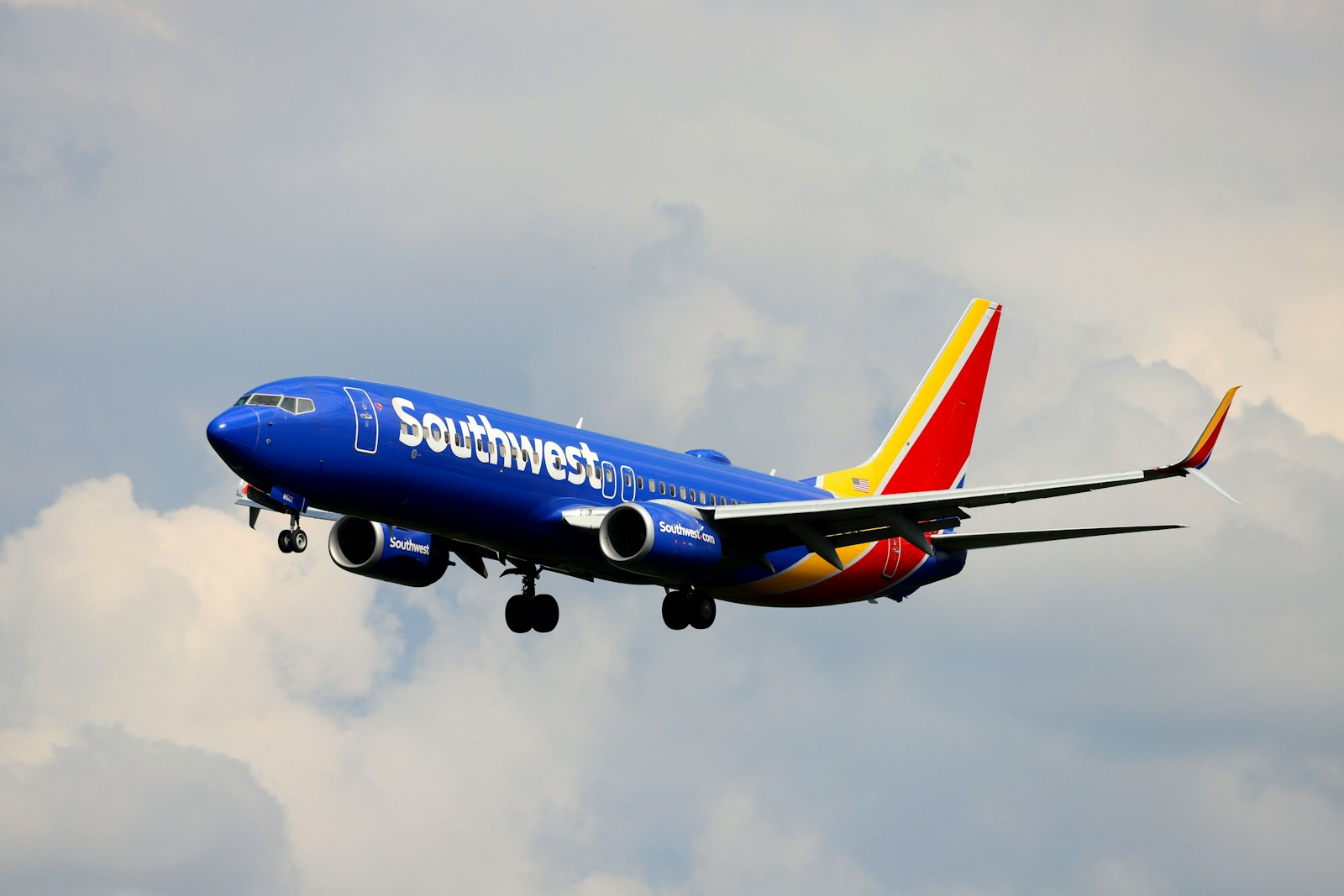
Southwest Airlines’ on-time arrival rate collapsed to 64.94% in June 2026, the weakest month posted by any major U.S. carrier this year, according to Airline Service Quality Performance data the Bureau of Transportation Statistics released on August 12. That single month complicates a title Southwest had just spent all of 2025 earning: best overall U.S. airline, per the 2026 Airline Quality Rating, the 35-year-old academic study built entirely from that same federal on-time, baggage, bumping, and complaint data DOT collects every month.
The annual numbers, published in July, told a tidy story. Southwest scored -0.19 across full-year 2025, the best mark in the industry and enough to repeat as the top-ranked U.S. airline for a second straight year, with Alaska Airlines second at -0.84, followed by Allegiant, Delta, and Hawaiian. Hawaiian actually posted the single best on-time rate of any carrier, 81.9%, against an industry-wide average of 76.4%. Frontier finished last for a fourth consecutive year, at -6.13. Southwest also logged the fewest complaints of any airline, 1.33 per 100,000 passengers against an industry average of 7.45.
Then came June. Southwest’s monthly on-time rate, 79.75% in January by aviation data firm OAG’s tracking, slid to 71% in May and then to that 64.94% low in June, a month that included a three-day operational breakdown from June 19 to 21. Southwest logged 5,651 delays over those three days. By the end of June, OAG ranked Southwest 17th among North American carriers, dead last among major U.S. airlines, while Delta held 4th place, United 9th, and American 12th. Average delays for Southwest passengers that summer ran close to 47 minutes. July brought a partial recovery, back up to 77.8%, but the swing exposes something the annual rankings smooth over: reliability isn’t a fixed trait an airline earns once. It’s a monthly grade.
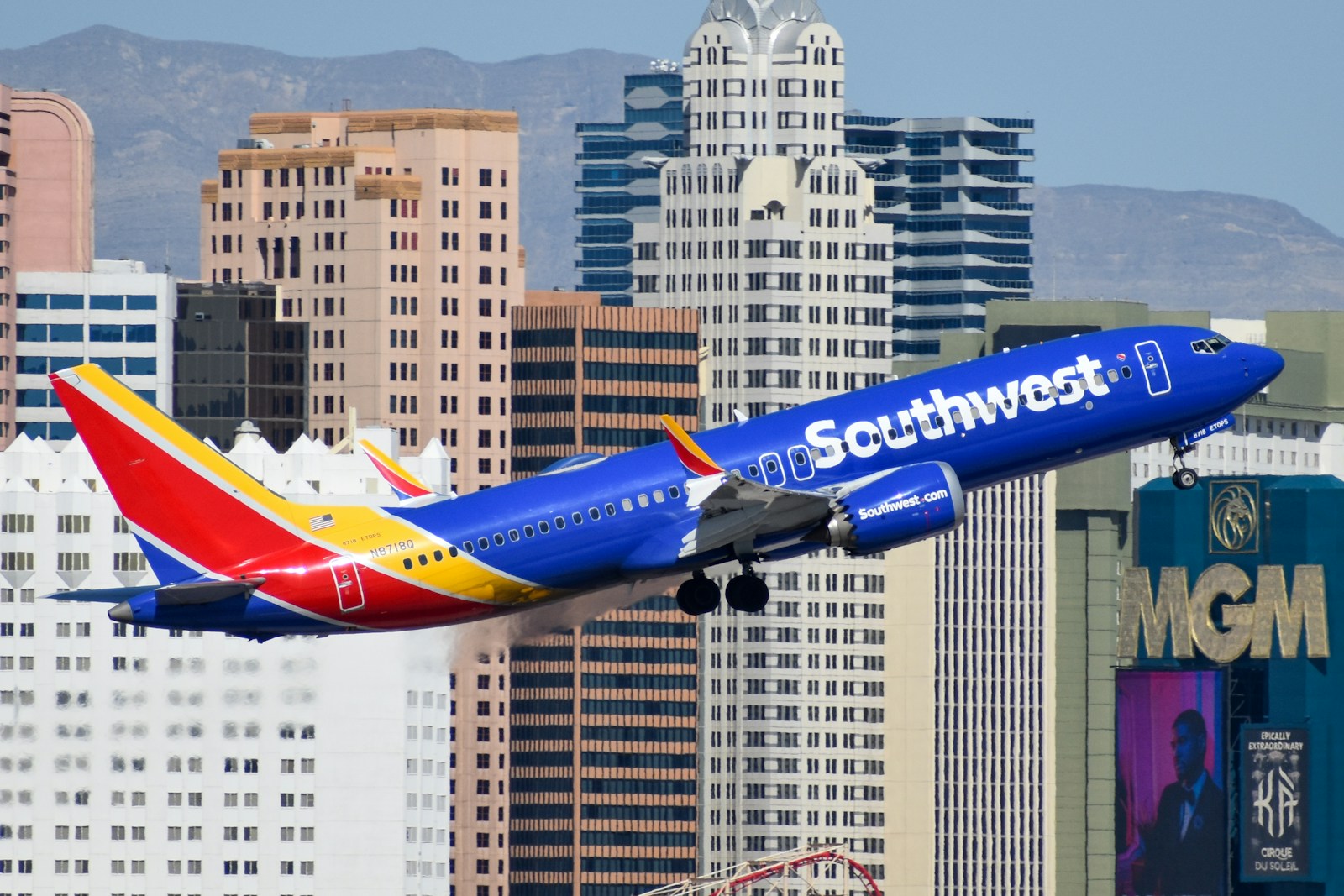
Southwest itself has pointed to the rollout of assigned seating and a broader operational overhaul as contributors to the disruption, changes that shifted boarding and turnaround procedures across its network in 2026 even as the airline says it still runs fewer cancellations than most legacy carriers. That distinction matters for travelers making a booking decision this fall: cancellation risk and delay risk aren’t the same number, and a carrier can be strong on one while sliding on the other.
The federal data behind both stories is the same dataset. DOT’s Bureau of Transportation Statistics collects on-time performance, mishandled baggage, and mishandled wheelchair and scooter figures every month from the country’s largest carriers, and those raw numbers feed both the monthly BTS releases and the annual academic study that produces the AQR ranking.
The Airline Quality Rating study itself, produced annually by researchers at Embry-Riddle Aeronautical University and Purdue University, has run continuously since 1991, giving it one of the longest track records of any independent airline ranking in the country. Its methodology weights on-time performance alongside complaint rates, mishandled baggage, and involuntary bumping, which is part of why an airline can occasionally top the annual ranking on the strength of low complaints and few bumped passengers even in a year when its month-to-month punctuality wobbled.
That distinction matters practically for anyone comparing airlines before booking a fall trip. A traveler prioritizing the lowest chance of a canceled flight or a denied boarding might reasonably still favor Southwest based on its strong annual complaint and bumping record, even in a summer where its monthly on-time numbers slipped. A traveler whose trip depends entirely on making a tight connection, on the other hand, is better served checking the most recent monthly BTS release than last year’s annual ranking, since punctuality is clearly the more volatile of the two measures month to month.
For anyone booking a flight based on an airline’s reputation, that gap is the real story. Southwest’s own numbers illustrate the point better than any ranking could: the same airline that posted the fewest complaints in America for 2025 also posted the worst monthly on-time rate of 2026, five months apart. Reliability, it turns out, has to be checked on the same schedule as the flights themselves, not assumed from a headline ranking published months earlier. Booking a flight is ultimately a bet on a specific month’s operations, not an airline’s reputation built up over the prior year.