
In Japan, leaving a tip on the table isn’t a kind gesture — it can read as an insult, implying the server needs charity or that their base pay isn’t enough. That’s the opposite of how gratuity works in the United States, where withholding a tip is the insult. This gap trips up more American travelers than almost any other etiquette rule abroad, because tipping isn’t governed by one global standard. It swings between expected obligation, polite rounding, and actively offensive, sometimes within neighboring countries. A single bad guess — under-tipping in a country where it’s expected, or over-tipping in one where it’s borderline rude — can color how a whole interaction lands, even when nobody says anything about it out loud. Here’s how the real rules break down by region.
Japan and China: Skip It Entirely
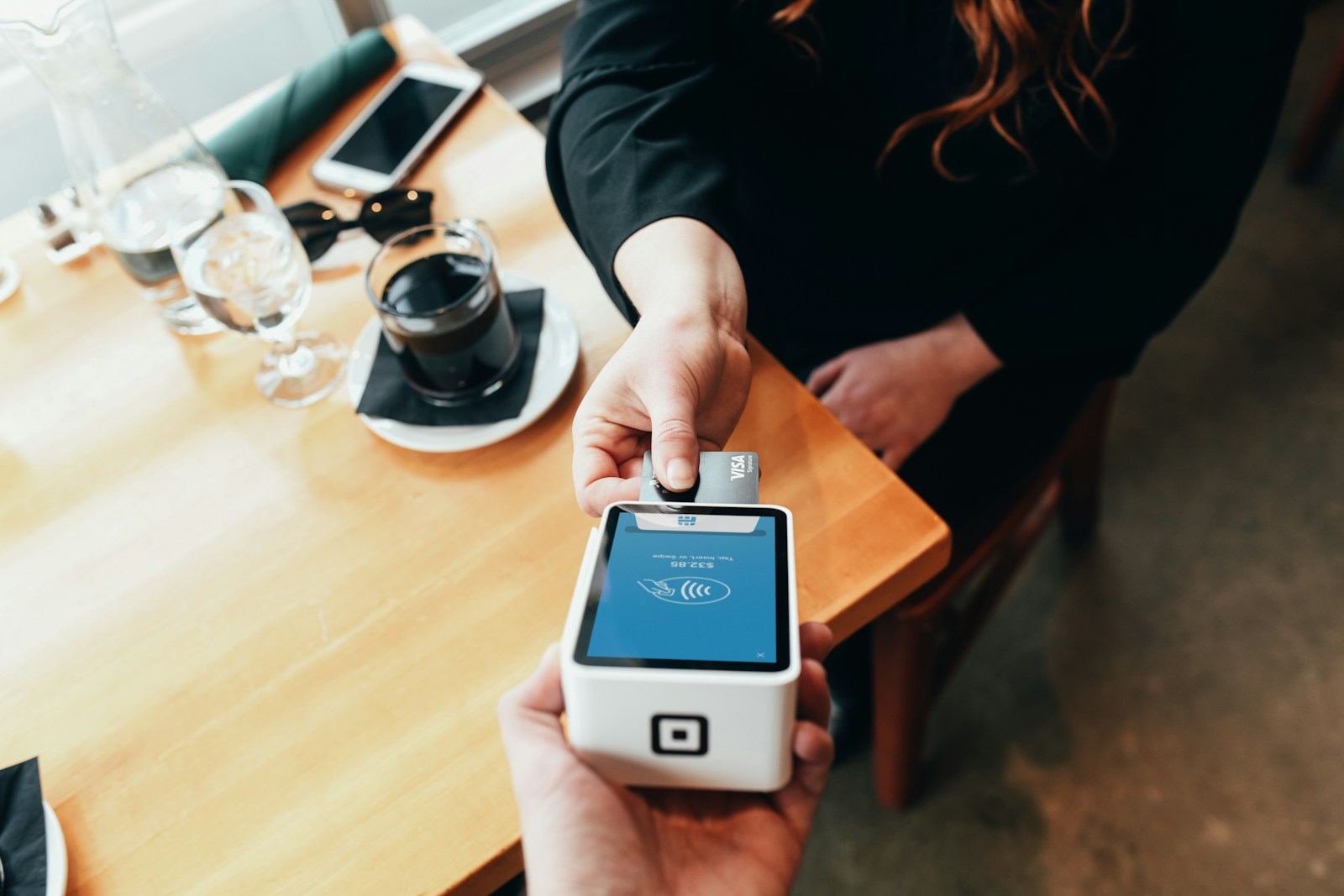
In Japan, tipping is not just unnecessary but can be interpreted as insulting, according to Capital One’s guide to tipping norms, since service staff are paid a standard wage that isn’t meant to be supplemented by gratuities. Global Rescue’s travel guide puts it plainly: excellent service is treated as the baseline, not something that earns an extra reward. China follows the same logic — leaving cash on the table can come across as questioning whether the staff or their employer pays a fair wage, and servers may chase you down to return it.
France: Round Up, Don’t Calculate a Percentage
French restaurant bills legally include a service charge, so there’s no math to do. Global Rescue’s guide describes the local norm as leaving “small change or rounding up to the nearest euro,” a token gesture rather than the 15% to 20% American travelers are used to calculating. Tourist-facing spots in central Paris have grown more accustomed to bigger American-style tips, per Capital One’s guide, but locals rarely leave more than a few coins.
Italy: Watch for the Coperto, Skip the Percentage
Italy’s version of a service charge often shows up as a “coperto,” a per-person cover fee for bread and table service that appears on the bill regardless of what’s ordered. Beyond that, Capital One’s guide puts appropriate tipping at 5% to 10%, or simply rounding up at casual trattorias, nowhere close to U.S. norms even at a nicer sit-down restaurant.
The UK: A Percentage, But Only Sometimes
Some UK restaurants add a service charge to the bill automatically. When they don’t, Global Rescue’s guide recommends 10% to 15% for solid service. Pubs are the exception: buying a round is the local equivalent of a tip, and leaving cash on a pub table for a bartender isn’t expected at all.
Australia: A Culture Mid-Shift
Restaurant tipping in Australia isn’t built into wages the way it is in the U.S. — service staff earn a legal minimum wage regardless of tips — but Global Rescue’s guide notes gratuities are becoming more common in tourist-heavy areas, with about 10% appropriate for standout service. Capital One’s guide draws a sharper line: casual cafes and bars generally don’t expect anything at all, while nicer restaurants increasingly see 10% to 15% from both locals and visitors.
The Middle East Splits Two Ways
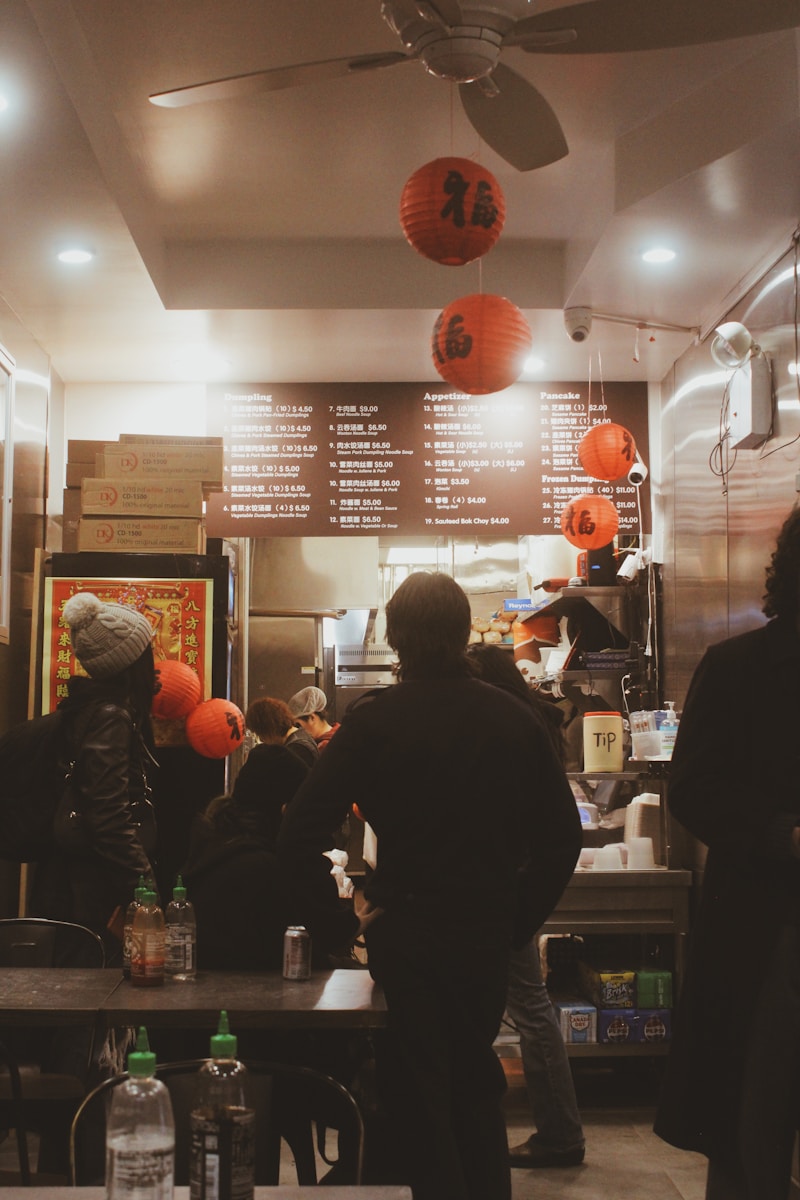
This region resists a single rule more than any other. In Egypt and Jordan, Capital One’s guide puts 10% to 15% as customary, and expected even when a service charge already appears on the bill. In the Gulf states — Qatar, Saudi Arabia, and the UAE — tipping runs closer to U.S. norms, at 15% to 20%. Dubai and Israel add another wrinkle: government-mandated service fees are often already built in, so Global Rescue’s guide suggests treating any extra cash as a bonus for standout service rather than an obligation.
Why the Rules Vary So Much
The through-line across every country above is wage structure, not culture for culture’s sake. In places where tipping is discouraged or purely optional, service workers are generally paid a standard, livable wage set by law or custom, so a tip reads as either unnecessary or as a subtle suggestion that the pay isn’t enough. In places where tipping is closer to expected — much of the Gulf, Egypt, and Jordan — service-industry pay structures lean more heavily on gratuities to round out income, closer to the American model. The U.S. is actually the outlier globally, not the default: American servers are often paid a lower base wage precisely because tips are assumed to make up the difference, a system most other countries simply don’t run on.
The pattern that emerges isn’t “tip more” or “tip less” abroad — it’s that tipping is a function of how a country structures service wages, not a universal courtesy. A flat 20% habit can read as either an insult or an overcorrection depending on where you land, which is exactly why the smartest move before any trip is the simplest one: check whether a service charge already appears on the bill before you reach for cash, and take a beat to watch what the people around you are actually doing.