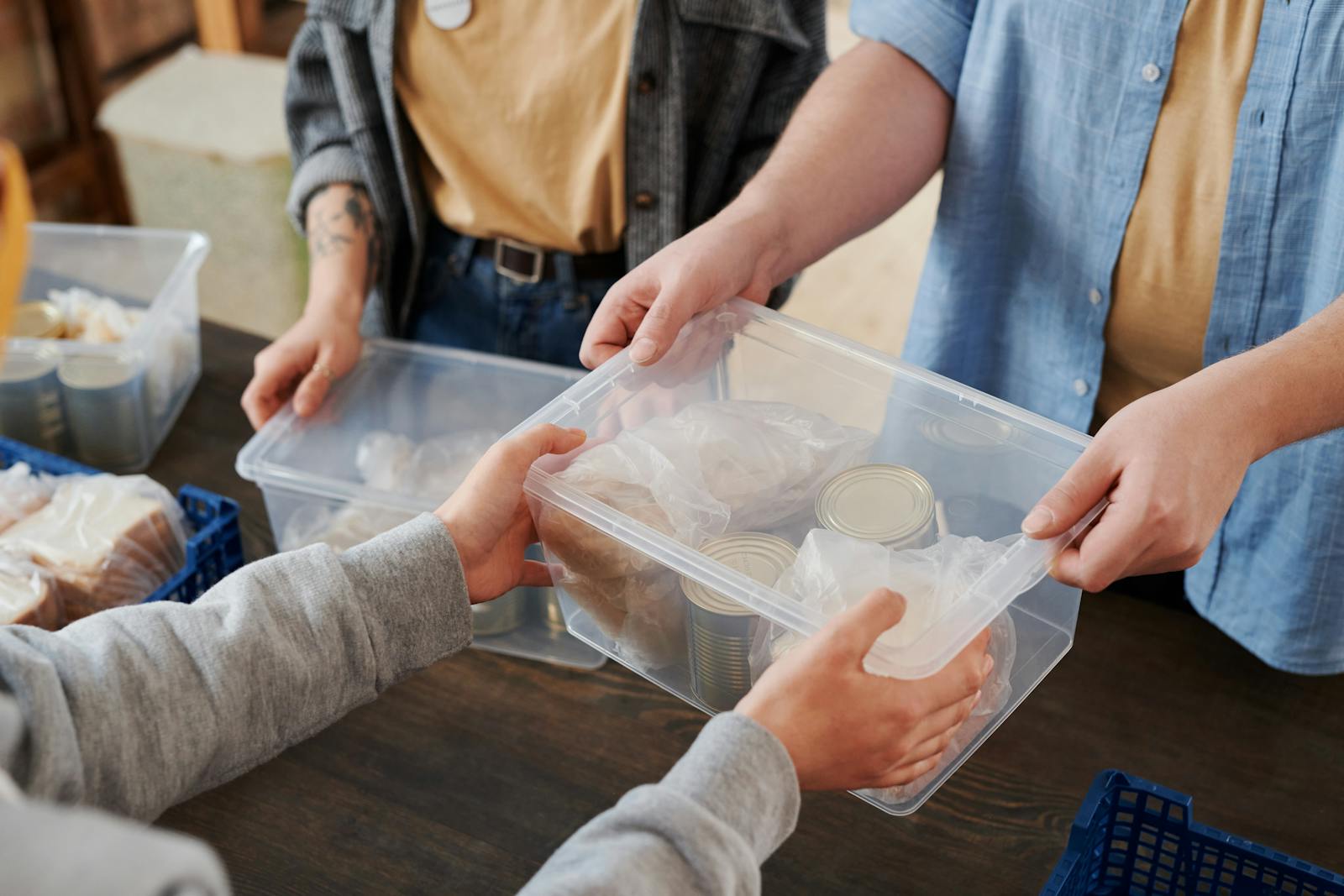
With SNAP benefits temporarily paused during the ongoing government shutdown, families across the country are searching for immediate ways to put food on the table. While federal aid is delayed, local governments, nonprofits, and community groups are stepping in to make sure families don’t go hungry. Here’s where to find free or low-cost meals right now — no paperwork or waiting required.
Start with Local Food Banks and Pantries
Food banks are the first stop for families affected by the SNAP freeze. National networks like Feeding America and FoodPantries.org can connect you to nearby pantries distributing free groceries and pre-made meals. Many have expanded hours and mobile food trucks serving neighborhoods hit hardest by the aid suspension.
Some cities — including Houston, Detroit, and Tampa — have opened temporary “mega-pantries” capable of serving thousands of families per day. You can usually pick up a week’s worth of groceries, including fresh produce, dairy, and staples like pasta and canned vegetables.
Check School Districts and Youth Meal Programs
Even with federal delays, many school districts continue to provide free breakfast and lunch programs to students. Some schools are also offering take-home meal boxes or weekend snack bags for families who depend on school food service. Contact your child’s school or district nutrition office to ask about pickup hours and eligibility — many are open to all children, not just enrolled students.
Additionally, national programs like No Kid Hungry list community meal sites that provide free food for children and teens year-round.
Visit Community Kitchens and Faith-Based Programs
Churches, mosques, and community centers have quickly expanded free meal offerings during the SNAP pause. Many host weekly or even daily dinners open to the public. You don’t need to be a member or show proof of need — just show up during serving hours.
Some examples include The Salvation Army’s hot meal programs, Catholic Charities’ community kitchens, and local interfaith coalitions that provide daily meals to families, seniors, and the unhoused. To find nearby options, search “free community meals near me” on Google Maps or check local Facebook groups where residents share updated information daily.
Explore Local Government Resources
Several state and city governments have launched temporary food relief programs while federal funding is paused. In New York, emergency funding is supporting expanded soup kitchens and mobile pantries. In Michigan, lawmakers approved short-term assistance for community meal programs. Many municipalities are also working with local restaurants to distribute boxed lunches to families in need.
Check your state’s Department of Human Services or local mayor’s office website for listings under “emergency food assistance” or “community meals.” These programs often change weekly, so it’s worth checking back regularly for updates.
Don’t Overlook Mutual Aid Networks
In neighborhoods nationwide, small volunteer-run groups are distributing groceries and hot meals directly to families. These “mutual aid” networks often operate through social media or word-of-mouth, helping fill gaps faster than formal programs.
To locate one near you, search Facebook or Nextdoor for terms like “mutual aid,” “community fridge,” or “food giveaway.” Many groups organize porch drop-offs or host free fridges stocked with fresh produce and staples for anyone to take as needed.
Stay Informed and Reach Out Early
As long as the SNAP pause continues, demand for free food programs will keep rising — and resources may vary week to week. Reach out early in the day before supplies run out, and bring reusable bags or boxes for pickup. Keep an eye on local news and social media pages for real-time updates about new food distribution events.
The Bottom Line
While SNAP benefits remain frozen, communities nationwide are stepping up to help. From school kitchens to faith centers, countless groups are ensuring no family is left behind. Help is available — and taking advantage of it now can make all the difference while waiting for federal assistance to resume.

As a mom of three busy boys, I know how chaotic life can get — but I’ve learned that it’s possible to create a beautiful, cozy home even with kids running around. That’s why I started Cultivated Comfort — to share practical tips, simple systems, and a little encouragement for parents like me who want to make their home feel warm, inviting, and effortlessly stylish. Whether it’s managing toy chaos, streamlining everyday routines, or finding little moments of calm, I’m here to help you simplify your space and create a sense of comfort.
But home is just part of the story. I’m also passionate about seeing the world and creating beautiful meals to share with the people I love. Through Cultivated Comfort, I share my journey of balancing motherhood with building a home that feels rich and peaceful — and finding joy in exploring new places and flavors along the way.