

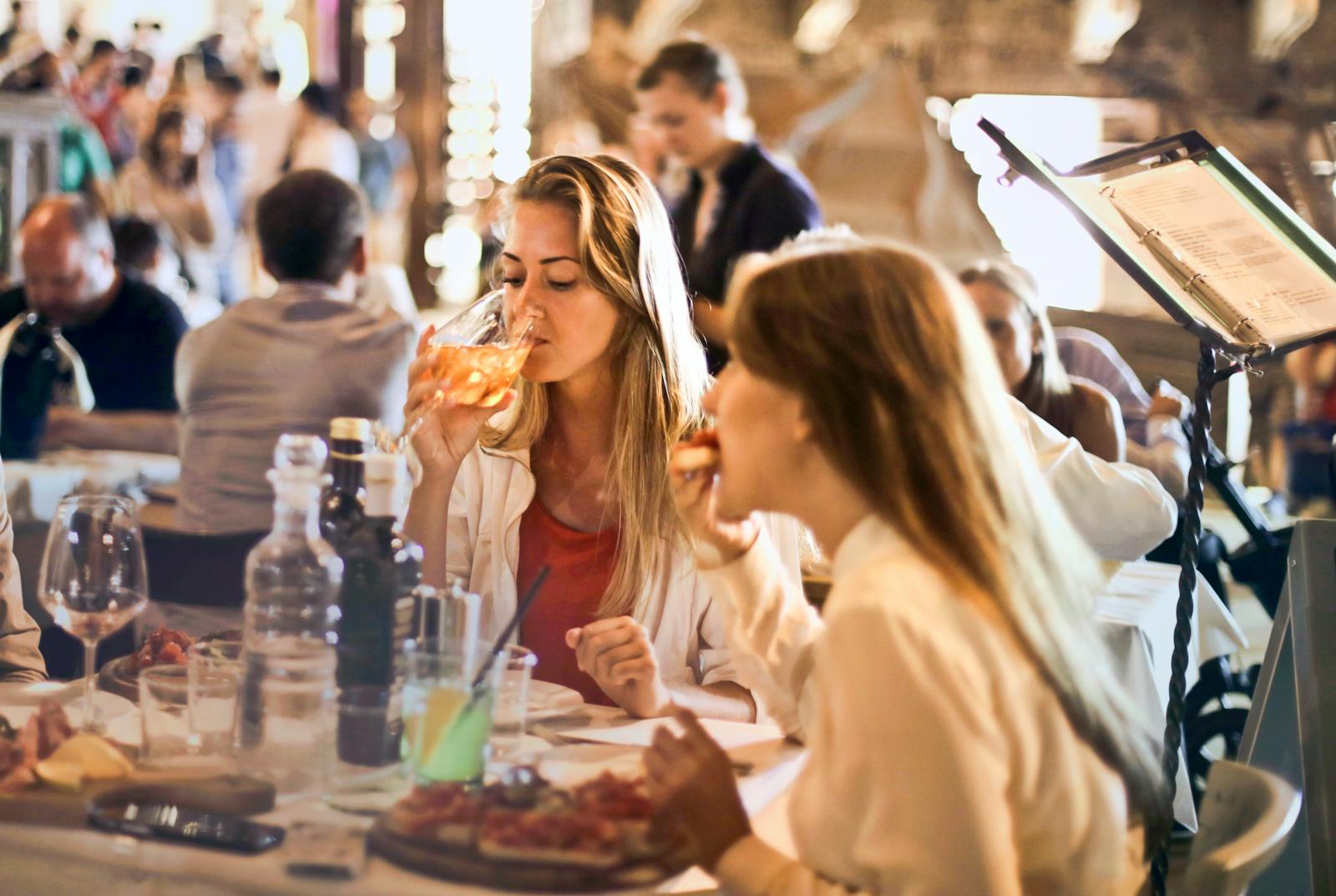
Across the United States, diners and food enthusiasts are experiencing a resurgence of nostalgia for beloved restaurants from their past. This trend is affecting not only how people choose where to eat but also how restaurateurs are crafting their menus and marketing strategies. Understanding the reasons behind this obsession reveals deeper connections to community, memory, and cultural identity.
The Power of Memory and Food
Food has a unique ability to evoke memories and emotions. For many, dining experiences are tied to significant life events, such as family gatherings, first dates, and celebrations. As individuals reminisce about their favorite eateries from childhood or young adulthood, they often seek to recreate those experiences in their current lives. This longing for connection is driving a trend where nostalgic menu items, familiar décor, and traditional recipes are making a comeback.
Psychology plays a crucial role in this trend. Studies indicate that nostalgia can enhance mood and foster social connections. When people share stories about a cherished restaurant or dish, they bond over shared experiences, reinforcing their sense of community. As a result, restaurants that tap into this nostalgia are finding success in attracting customers looking for comfort and familiarity during uncertain times.
Revival of Classic Dishes
Many restaurants are responding to this wave of nostalgia by revamping their menus to include classic dishes that evoke fond memories. Diners are seeing the return of beloved items like retro burgers, fried chicken sandwiches, and old-school desserts such as sundaes and milkshakes. These familiar meals not only satisfy cravings but also create a sense of belonging and warmth.
For example, a diner in Chicago recently reintroduced its famous meatloaf, served with mashed potatoes and gravy, a dish that had been absent from the menu for years. The response was overwhelming, with both older patrons who fondly remembered the dish and younger diners eager to try something classic. The success of such menu revivals illustrates how powerful food nostalgia can be in attracting a diverse customer base.
Social Media Amplification
Social media platforms have played a significant role in amplifying restaurant nostalgia. Users share photos and stories of their favorite dishes, often tagging the restaurants in their posts. This organic promotion not only reignites interest in classic eateries but also encourages others to visit and experience the nostalgia for themselves.
Instagram, in particular, has become a visual diary for food lovers, making it easy to share and discover nostalgic dining experiences. Hashtags like #ThrowbackThursday and #FoodMemories have gained traction, allowing users to connect over shared culinary experiences. Restaurants that effectively engage with their audience on these platforms can build a loyal following and capitalize on the nostalgia trend.
Community and Local Identity
The nostalgia trend also highlights the importance of local identity and community. Many diners are gravitating toward independently owned establishments that reflect their regional culture and history. These restaurants often serve as cultural landmarks, preserving local culinary traditions and fostering relationships within the community.
In recent months, several small-town diners have reported a surge in clientele as people seek out authentic experiences that remind them of their roots. This local revival not only supports small businesses but also strengthens community ties, making nostalgia a driving force for economic growth in many areas.
The Impact of the Pandemic
The COVID-19 pandemic has heightened the longing for nostalgia, as people have been confined to their homes and isolated from their usual routines. Many turned to comfort food as a coping mechanism during tough times, and this craving for familiar flavors has persisted even as restrictions have eased. Restaurateurs have recognized this shift and are more frequently incorporating nostalgic elements into their offerings.
Moreover, as people emerge from the pandemic, they are eager to reconnect with friends and family over meals that remind them of happier times. The shared experience of dining out has become even more meaningful, making the nostalgic elements of a menu resonate deeply with patrons. Restaurants that successfully evoke this sentiment are seeing increased patronage and loyalty.
Challenges and Opportunities Ahead
While the nostalgia trend presents exciting opportunities for restaurants, it also comes with challenges. As the industry adapts, balancing innovation with tradition will be crucial. Restaurateurs must find ways to modernize classic dishes without alienating loyal customers who cherish the original recipes.
Additionally, as competition grows, staying true to the essence of nostalgia while evolving to meet current trends will require creativity and strategic marketing. The key lies in understanding the emotional connections diners have with food and using that knowledge to craft meaningful experiences.
Conclusion
Restaurant nostalgia is more than just a fleeting trend; it represents a profound connection to our past and community.

As a mom of three busy boys, I know how chaotic life can get — but I’ve learned that it’s possible to create a beautiful, cozy home even with kids running around. That’s why I started Cultivated Comfort — to share practical tips, simple systems, and a little encouragement for parents like me who want to make their home feel warm, inviting, and effortlessly stylish. Whether it’s managing toy chaos, streamlining everyday routines, or finding little moments of calm, I’m here to help you simplify your space and create a sense of comfort.
But home is just part of the story. I’m also passionate about seeing the world and creating beautiful meals to share with the people I love. Through Cultivated Comfort, I share my journey of balancing motherhood with building a home that feels rich and peaceful — and finding joy in exploring new places and flavors along the way.
