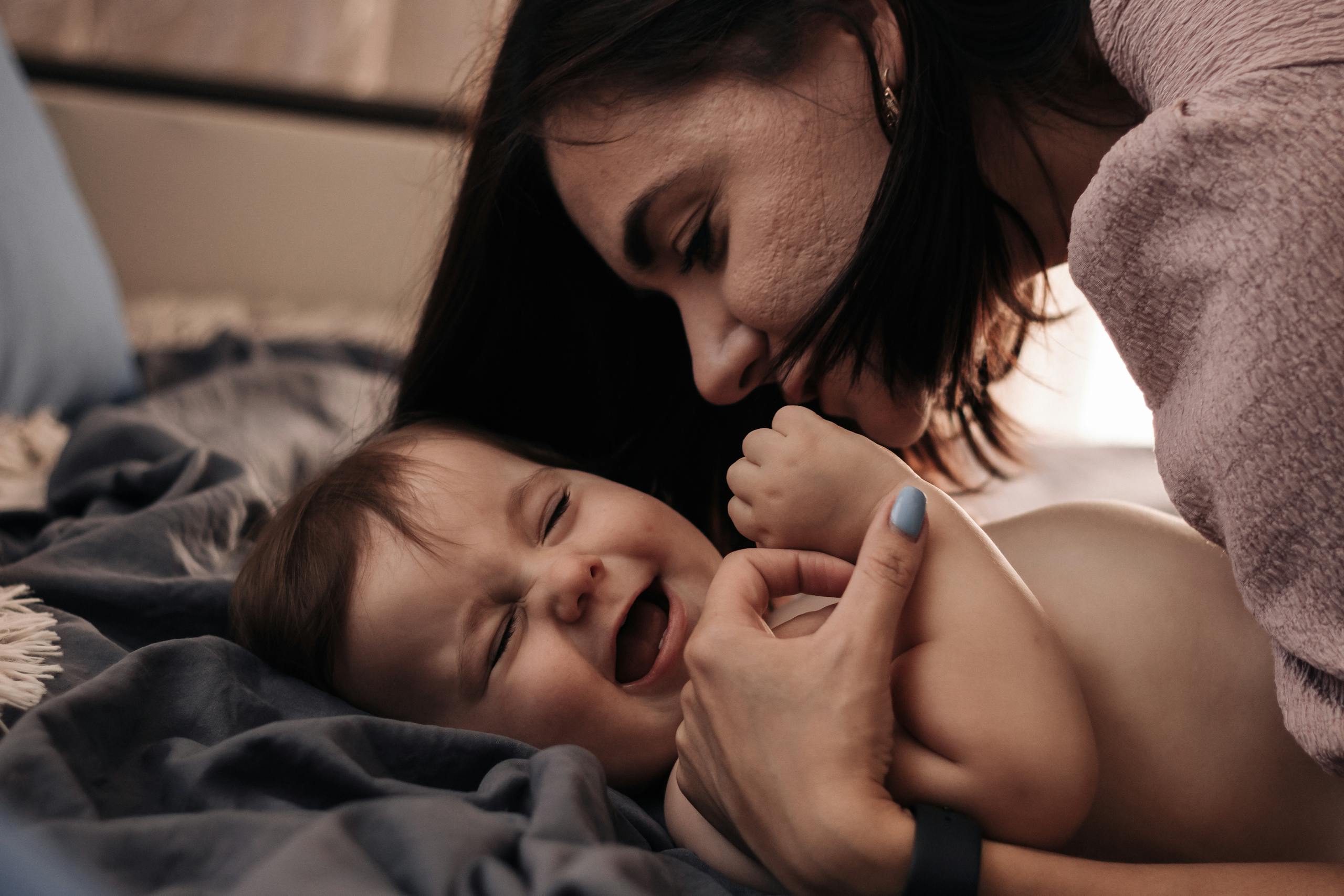
The single life event most likely to quietly end an adult friendship isn’t a move, a job change, or a falling-out. It’s having a baby. “Life happens,” psychologist and friendship researcher Dr. Marisa Franco writes on her own site. “Our adult lives can become a monsoon of obligations, from children, to partners, to ailing parents, to work hours.” Franco, author of the book “Platonic,” points to research finding that new parents lose more close friendships on average than people who simply enter a new romantic relationship, a group that already tends to lose about two close friends in the process. Kids, in other words, don’t just compete with friendship for time. They tend to win.
The scale of the broader problem is easy to understate. A Dutch sociologist’s long-running study found that people lose touch with roughly half their closest friends over any given seven-year stretch, according to a summary of the research published by ScienceDaily. Researcher Gerald Mollenhorst tracked more than 1,000 adults, then reinterviewed over 600 of them seven years later, and found that while overall network size stayed remarkably stable, only about 30% of the specific people someone confided in or leaned on for help were still in that role seven years on. Friendship, in that data, isn’t something that simply exists once it’s formed. It has to be actively renewed, or it quietly turns over.

Franco identifies the thirties in particular as what author Lydia Denworth has called “the decade where friendships go to die,” a phrase Franco cites approvingly in her writing on maintaining friendships while busy. That’s not a coincidence of timing. It’s the decade when careers demand more, aging parents start needing more, and, for a large share of adults, small children arrive and absorb whatever time and emotional bandwidth is left over.
The misunderstanding that makes it worse
What makes new parenthood especially corrosive to friendship, according to Franco, isn’t just the math of reduced time. It’s a specific misreading that happens on both sides. “Busy people lose friends because friends assume unavailability is rejection,” she writes. A new parent who goes quiet for weeks isn’t necessarily pulling away on purpose, but a friend on the other end has no way to distinguish that from a friend who’s genuinely lost interest, especially since some people do use busyness deliberately as a way to let relationships fade without an uncomfortable conversation. New parents rarely intend to signal that. But without communication, the signal reads the same either way.
That ambiguity is exactly why friendships with new parents so often end in silence rather than conflict. Nobody decided to end anything. Two people simply stopped correcting for a misunderstanding that kept compounding, week after unreturned text, until there was no relationship left to save.

Franco’s broader body of work, built around attachment theory, offers a possible explanation for why some friendships survive the arrival of a baby while others quietly dissolve. In her writing, she argues that a person’s attachment style, secure, anxious, or avoidant, shapes how they interpret a friend going quiet. Someone with a more anxious style may read a new parent’s silence as confirmation they were never really wanted around, and pull back preemptively rather than risk a more direct rejection. Someone with a more avoidant style may simply let the friendship lapse rather than initiate an effortful conversation about it. Neither reaction requires the new parent to have done anything wrong. It’s the ambiguity itself, not any actual rejection, doing the damage.
What keeps a friendship alive through it
Franco’s own recommendations aren’t complicated, which is arguably the point. She suggests folding friends into routine, unglamorous parts of life rather than waiting for free time that never arrives: a coworking session, a grocery run, a phone call during a commute. Group gatherings work better than one-on-one plans when everyone’s calendar is unpredictable, since a dinner party survives a few cancellations in a way a single dinner date doesn’t. And she argues for a specific kind of honesty that most people skip: telling a friend directly that you’re overwhelmed and explaining why, rather than letting silence do the explaining for you.
Her most counterintuitive suggestion may be the most useful one. Instead of waiting to see friends only when life feels manageable and presentable, Franco encourages inviting them into “the imperfect parts of our lives,” the sleep-deprived, chaotic, unphotogenic stretch that new parenthood actually is. Friendships that survive a major life transition usually aren’t the ones protected from the mess. They’re the ones let into it.