
In today’s world of social media and online relationships, it’s not uncommon to hear tales of heartbreak and betrayal. However, this particular story showcases a different kind of pain, one rooted in emotional manipulation and dishonesty. Our protagonist, let’s call her Sarah, found herself entangled in a relationship that was more fraught and damaging than she could have ever anticipated.
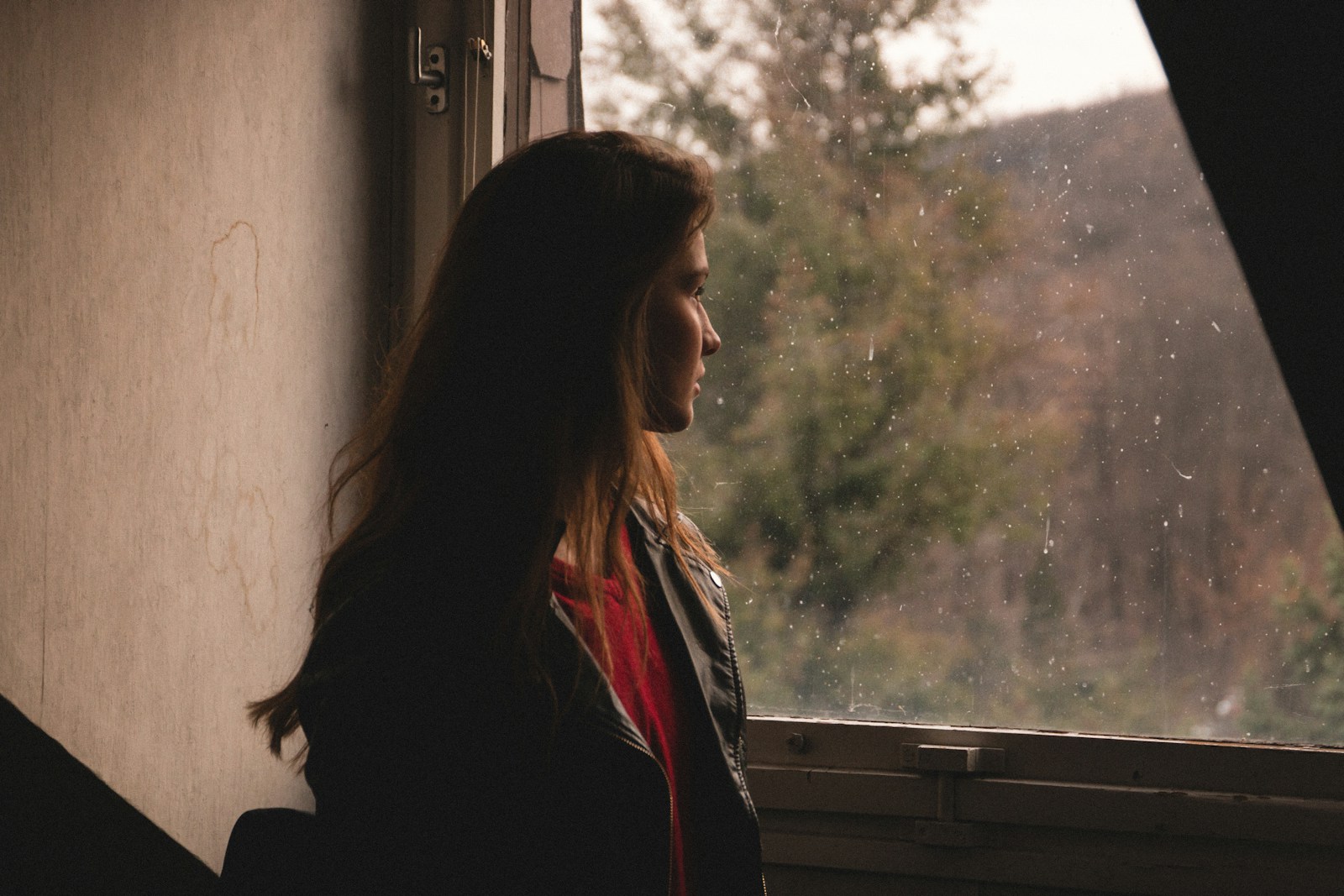
Sarah met her ex-partner during their freshman year at college. They were both new to the hustle and bustle of campus life, and they quickly formed a bond that promised excitement and adventure. Initially, everything seemed perfect: shared classes, study sessions, late-night conversations, and plenty of laughter. But as time wore on, subtle cracks began to appear in what Sarah thought was a solid foundation.
As weeks turned into months, Sarah noticed a troubling pattern. Her boyfriend began fabricating stories about his life, spinning tales about his home country and family that would often change with each retelling. It was weird at first, but Sarah brushed it off as typical college behavior—everyone was still figuring themselves out, right? However, the lies didn’t stop at simple embellishments. They spiraled into bizarre narratives, including fabricated childhood memories that made Sarah question their entire relationship.
When Sarah confronted her boyfriend about these discrepancies, the situation took a darker turn. Instead of addressing her concerns, he would respond dismissively, often treating her with coldness and ignoring her in social settings when he felt upset or cornered by the truth. His reaction was always the same: he’d turn the blame back on her, gaslighting her into believing her instincts were wrong. “You’re overreacting,” he would say with a casual shrug. “It hurts that you think that of me.” Each time he uttered those familiar phrases, Sarah felt herself retreating further into confusion and self-doubt.
What was particularly painful for Sarah was that the emotional rollercoaster never seemed to stop. Moments of affection were often followed by stretches of silence, with her boyfriend ghosting her on plans they had made. It left Sarah feeling isolated, and she frequently questioned her worth in the relationship. If he could ignore her so easily, what did that say about their love? But the emotional turmoil didn’t end there. When Sarah would share her feelings of abandonment, he would shift the narrative again, boasting about how many people were allegedly interested in him. Each time, it felt like a punch to her gut.
Perhaps the most devastating blow came when Sarah discovered that her boyfriend had been talking to another guy behind her back, someone he had expressed feelings for. After assuring her he would cut ties with this person, he instead used it to justify more of his lies. “I didn’t love you,” he said nonchalantly. “It doesn’t matter because you never met my family anyway.” Those words rang in her ears long after they were said. For Sarah, it wasn’t just about being lied to; it was the realization that she had invested so much of herself into a relationship that was built on deceit.
By the time their tumultuous year together came to an end, Sarah was left feeling drained and traumatized. The emotional scars were deep, and she wrestled with whether it was right to label her experience as emotional abuse. Was it normal to walk away from a relationship feeling worse than before? Could someone manipulate the truth so skillfully that it left the other person questioning their reality? The feelings of anxiety and hurt lingered long after their breakup, and the aftermath was a mental landscape that felt unfamiliar and frightening.
As Sarah shared her story in an online forum, seeking advice and understanding from others who might have gone through similar experiences, she found that she was not alone. Many offered their support, echoing her sentiments and reinforcing that what she experienced was not merely a series of misunderstandings but rather a form of emotional abuse. Each shared story contributed to her healing, allowing her to see that her feelings were valid and her experiences were real. In a community where vulnerability was welcomed, she began to reclaim her narrative.
Sarah’s journey illustrates how relationships can be complex and how the emotional turmoil inflicted by another can leave lasting scars. Sometimes, it’s hard to tell where love ends and manipulation begins. In her quest for healing, she learned that while she couldn’t change the past, she could work to ensure a brighter future, one where honesty and respect took precedence over deceit and gaslighting.
More from Cultivated Comfort:
- 7 Vintage Home Items From the ’60s That Are Collectors’ Dream Finds
- 7 Vintage Home Goods That Became Collectors’ Gold
- 7 Fast-Food Chains That Changed for the Worse
- 7 Frozen Dinners That Were Better Back in the Day