Stacking plates at the end of a meal can feel like a small, helpful gesture, something many people do without thinking twice. In a TikTok video, @juliehelmss takes that everyday habit and turns it into a deeper conversation about why people do it in the first place. Her explanation moves beyond surface-level manners and into something more reflective, showing how simple actions can carry different meanings depending on where someone comes from.
The idea lands because it challenges something most people assume is universal. What feels polite in one setting might feel out of place in another, and many people don’t realize they’ve learned these behaviors through their environment. That shift in perspective makes the topic less about right or wrong and more about awareness. It turns a casual dining habit into a window into how people are shaped by their surroundings.
What the Video Highlights
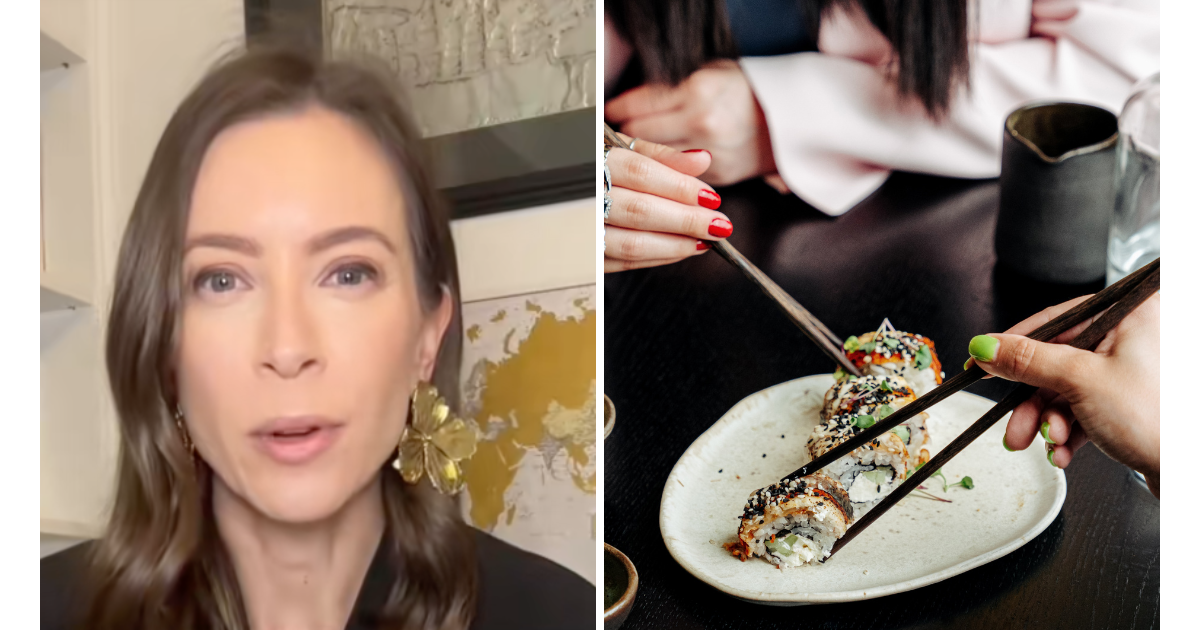
In the video, she starts by asking a simple question about stacking plates at restaurants, inviting viewers to reflect on their own habits. That question opens the door to a broader explanation, where she introduces the concept of habitus. She explains it as the way people’s backgrounds influence how they see and respond to the world around them.
Using restaurant behavior as an example, she shows how something as small as stacking plates can be interpreted differently. In some cases, it’s seen as helpful and considerate, especially in more casual settings. In others, it may be viewed as unnecessary or even inappropriate, particularly in environments where service is structured differently.
The strength of the video is how it keeps the explanation grounded. Rather than making it overly academic, she ties the concept directly to a familiar situation. That makes it easier for viewers to recognize how their own habits might reflect something deeper.
What “Habitus” Actually Means
The idea she introduces comes from the field of Sociology, where habitus is used to describe how people internalize the norms and expectations of their environment. It shapes how individuals behave, often without them being fully aware of it. These patterns develop over time through family, education, and social surroundings.
In practice, this means people don’t all interpret “good manners” the same way. What feels natural to one person might feel unfamiliar or even incorrect to someone else. These differences aren’t random, they’re shaped by the environments people grow up in and the social cues they learn to follow.
That’s why etiquette can feel inconsistent across different spaces. It isn’t a fixed set of rules, but a reflection of shared expectations within specific groups. Understanding habitus helps explain why those expectations can vary so much.
Why Dining Etiquette Feels So Personal
Dining is one of the most visible places where these differences show up. People bring their habits to the table, often without realizing they’re doing anything specific. Actions like stacking plates, waiting for everyone to finish, or how someone interacts with a server can all signal different things depending on context.
In more casual environments, helping clear plates might be seen as thoughtful or cooperative. In more formal settings, it could interrupt the flow of service or signal unfamiliarity with how things are usually handled. Neither interpretation is inherently wrong, but they come from different expectations.
That’s what makes etiquette feel personal. It’s tied to identity, upbringing, and the environments people feel most comfortable in. Small actions become markers of how someone has learned to navigate social spaces.
Why This Conversation Resonates Now
The topic connects strongly to current conversations around lifestyle and identity, especially with the rise of “quiet luxury” and subtle social cues. People are paying more attention to the details that signal belonging, and etiquette is part of that conversation. Small behaviors are being reexamined as indicators of awareness or cultural familiarity.
At the same time, there’s a growing recognition that these signals aren’t universal. More people are questioning whether traditional etiquette rules should apply in every context. That tension between tradition and flexibility keeps the discussion relevant.
The video stands out because it doesn’t tell viewers what to do. It simply explains why different perspectives exist, allowing people to reflect on their own habits without feeling judged. That approach makes the topic feel thoughtful rather than prescriptive.
Would You Stack Your Plate at a Restaurant?
There isn’t a single correct answer, and that’s the point. In some settings, stacking plates might feel helpful and natural. In others, it might feel unnecessary or out of place depending on how service is structured.
The more useful takeaway is understanding that these choices are shaped by background and context. Being aware of that can make it easier to adapt to different environments without overthinking every action. It’s less about following strict rules and more about reading the situation.
So the question becomes one of awareness rather than correctness. Would you keep doing what feels natural to you, or adjust based on the setting you’re in?
More from Cultivated Comfort:
- 7 Vintage Home Items From the ’60s That Are Collectors’ Dream Finds
- 7 Vintage Home Goods That Became Collectors’ Gold
- 7 Fast-Food Chains That Changed for the Worse
- 7 Frozen Dinners That Were Better Back in the Day