

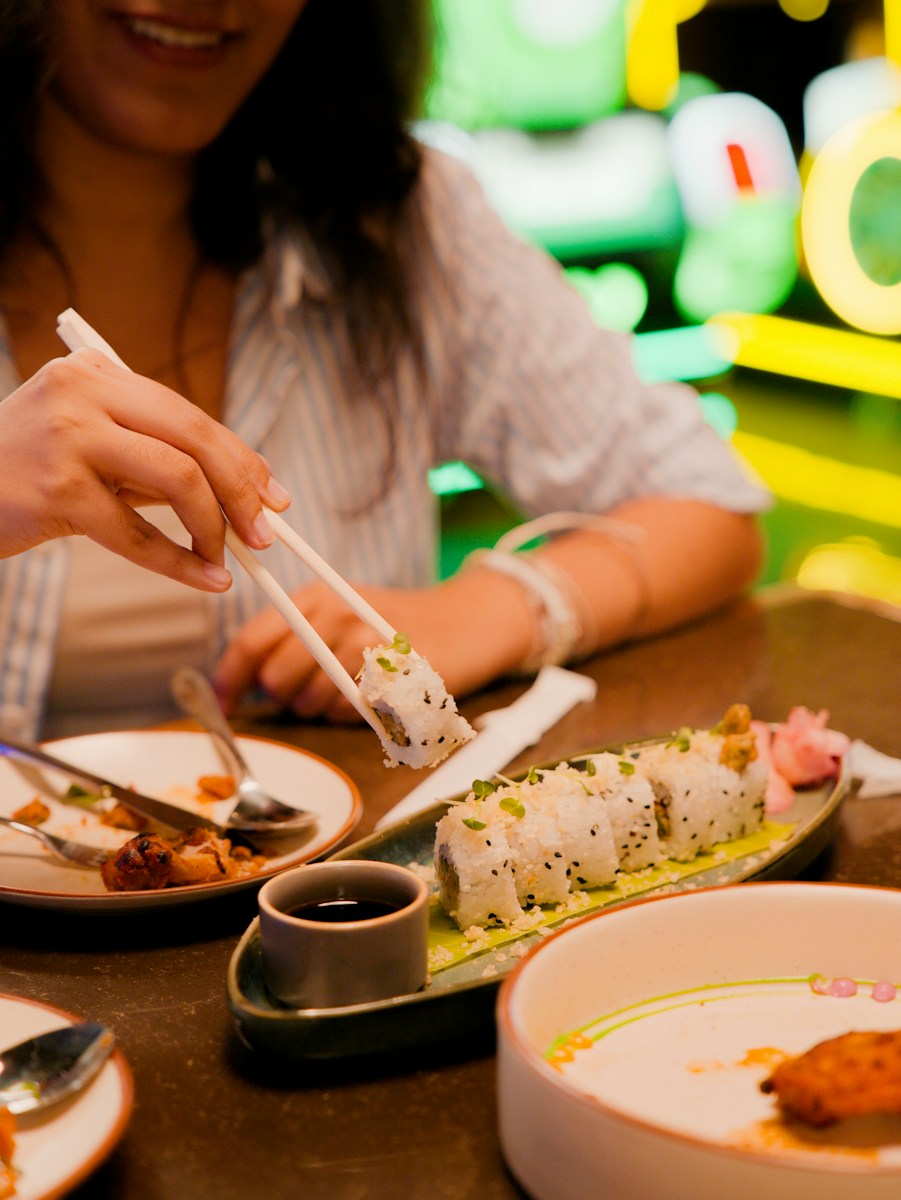
Every menu has a few items that seem to exist mostly to make the rest of the page look reasonable by comparison. They’re not badly made, exactly, and they’re not scams. They’re just priced against something other than what actually lands on the plate, whether that’s perceived luxury, brand recognition, or the simple fact that a certain category of order rarely gets questioned before it’s ordered.
None of this is an argument against treating yourself at a restaurant, which is one of life’s genuine, uncomplicated pleasures. It’s more of a heads-up about where the math tends to be least favorable, so the splurges you do choose are the ones actually worth it.
“Market price” seafood at a restaurant that isn’t a seafood specialist
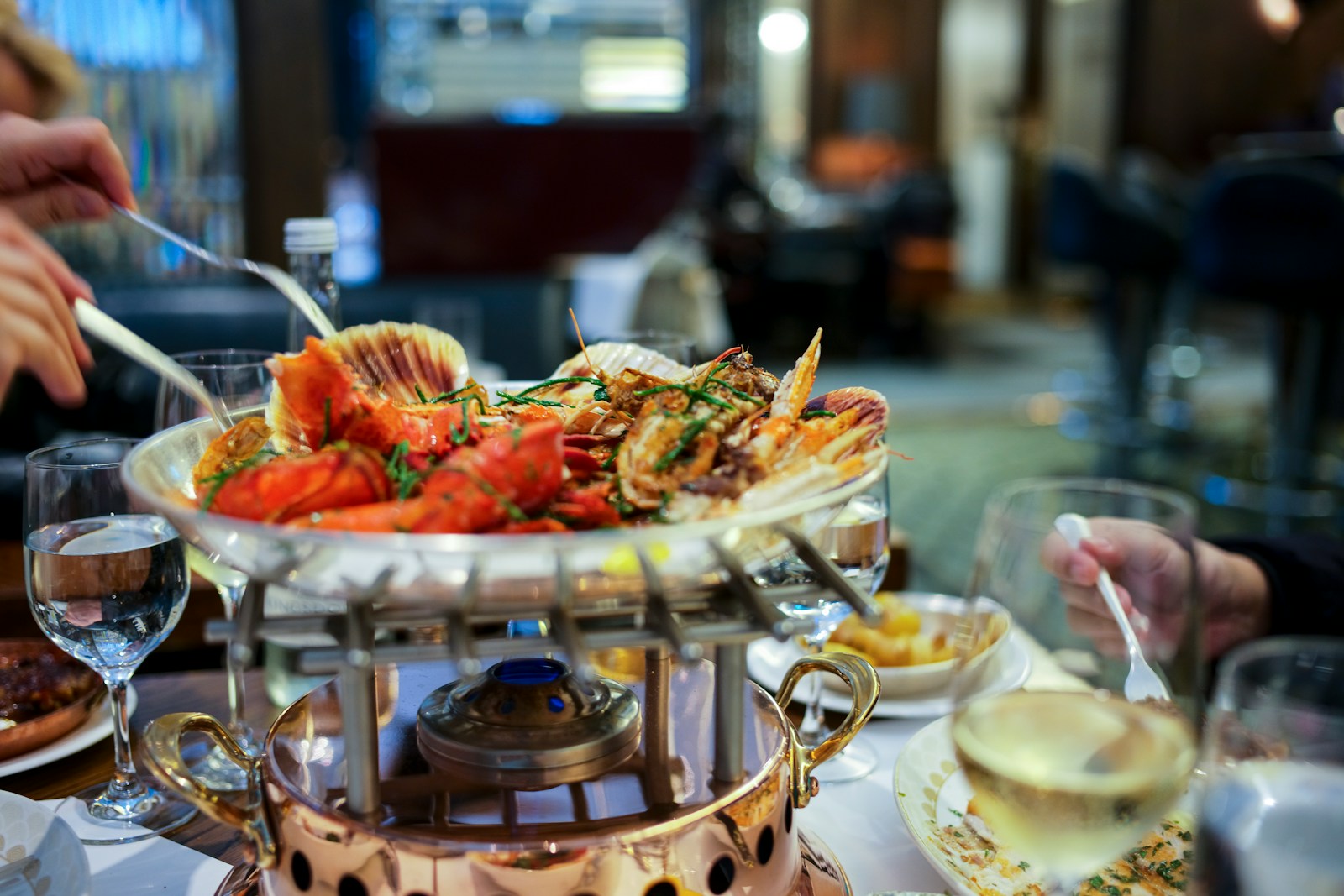
Anything listed as market price, rather than a fixed number, is signaling that the kitchen is passing along a volatile wholesale cost, and at a restaurant that doesn’t specialize in seafood, that cost often comes with less expertise in actually cooking it well. Restaurant menu pricing generally works by targeting a food cost percentage rather than a flat markup, and industry pricing guidance from SpotOn notes that proteins like seafood are frequently priced with some of the widest margins on the menu precisely because diners rarely have a clear reference point for what the ingredient should actually cost. A generalist kitchen charging premium seafood prices is often a bigger gamble than the same dish at a place built specifically around it.
Bottled water, especially imported
A bottle of imported sparkling water can run several times the price of a soft drink, for a product with essentially no preparation involved and minimal actual cost difference from tap or filtered water. It’s one of the purest examples of paying for presentation rather than substance, since most people genuinely can’t distinguish the source once it’s poured into a glass. Asking for tap water, or a filtered still water if the restaurant offers one, sacrifices very little in actual experience while sidestepping one of the more disproportionately marked-up items most menus include.
A full bottle of mid-tier wine
Restaurant wine pricing is notorious for wide markups, often multiples of retail, and the effect is strongest in that middle tier of bottles that aren’t cheap enough to feel like a safe bet or distinctive enough to feel like a splurge worth the premium. A bottle in that range frequently costs three or four times what the same label runs at a retail shop, for a product that requires no additional preparation once it’s opened and poured. Ordering by the glass, or choosing a bottle at the very low or very high end of a wine list rather than the middle, tends to produce a better value outcome.
House cocktails built around one flashy ingredient
A cocktail menu item that leans on a single premium liqueur, an edible flower, or a dramatic garnish often carries a price that reflects the show rather than the actual pour, since the base spirit and mixers underneath are frequently standard. It’s not that these drinks are poorly made; it’s that the price gap between a well-crafted classic cocktail and an elaborately garnished specialty one rarely reflects a proportional difference in what’s actually in the glass. A classic cocktail, made well, is often a better value than the version with the most dramatic presentation on the menu.
A side salad priced close to an entree
A basic green salad, lettuce, a few vegetables, a simple dressing, sometimes appears on menus at a price that rivals a protein-based entree, largely because produce costs can spike unpredictably and salads carry less brand expectation around what a “reasonable” price should be. It’s one of the more consistently frustrating pricing mismatches on a menu, since the labor and ingredient cost of a basic salad is genuinely lower than most other dishes on the same page. A salad that includes a real protein or a distinctive preparation tends to be a better value than a plain side salad priced as though it were a full dish.
Children’s menu items priced close to adult portions
A kids’ meal built around a simple protein and a side, priced at nearly the cost of a full adult entree, has become an increasingly common frustration as restaurants navigate rising ingredient and labor costs across the board. Some of that pricing reflects genuine cost pressure throughout the industry, but it lands hardest on families ordering multiple kids’ meals at a single table, where the per-child cost adds up faster than the actual food would suggest it should. Checking whether an adult-portioned dish can be split, rather than defaulting straight to the kids’ menu, is sometimes the better value for an older child with a real appetite.
Bottomless brunch add-ons with a strict time limit
A bottomless mimosa or bloody mary package sounds like an obvious value until the fine print reveals a tight ninety-minute window, a limited pour size per round, and a wait for refills that eats into the time actually allotted. The math rarely works out in the diner’s favor unless the pace of drinking is genuinely aggressive, and the base ingredients, orange juice and inexpensive sparkling wine, cost the restaurant relatively little to begin with. Ordering individually priced drinks, rather than the bottomless package, is often the better value for anyone not planning to drink at a fast, sustained pace.
Sushi combination platters at non-specialist restaurants
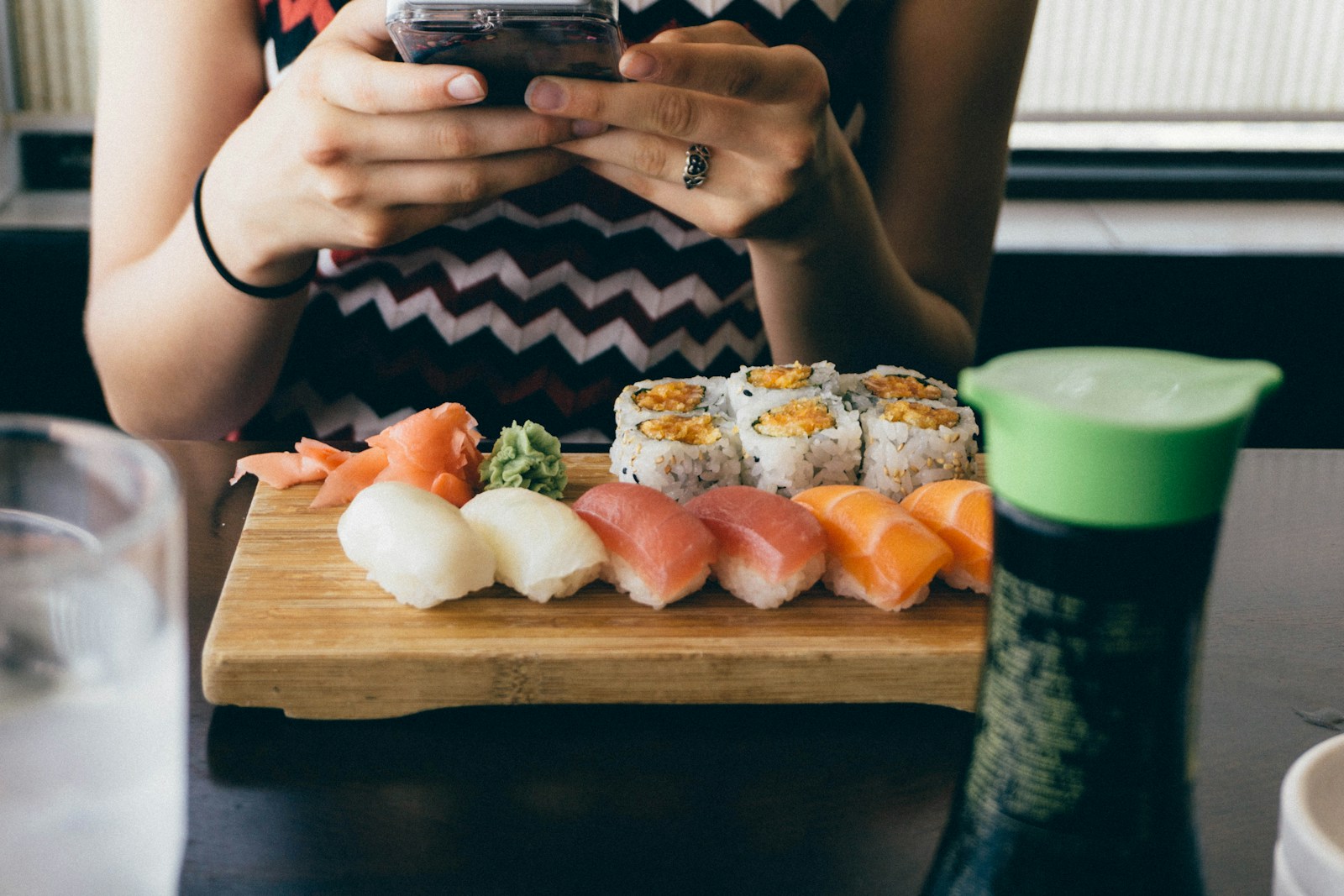
A sushi or sashimi combo at a restaurant where sushi is a secondary menu category, rather than the actual specialty, tends to combine premium raw-fish pricing with less consistent quality control than a dedicated sushi restaurant would offer. The pricing rarely reflects that gap, since the ingredient costs driving the price are similar whether or not the kitchen has real expertise in handling raw fish. A generalist restaurant’s cooked seafood or other specialty dishes are usually a safer and more proportionate value than its sushi offering.
Elaborate shareable dessert platters
A dessert built for the table, several small portions arranged dramatically on one plate, often costs nearly as much as two or three individual desserts would, while delivering noticeably smaller portions once divided among everyone at the table. Restaurants have faced real cost pressure recently, and industry research covered by Restaurant Business has found diners increasingly bracing for smaller portions at the same or higher prices, a trend that shows up especially clearly in dessert-for-the-table formats built more around presentation than actual quantity. Two individually ordered desserts, split as needed, frequently deliver more food for a comparable total price.
Add-on proteins tacked onto an already-complete dish
Adding grilled chicken, shrimp, or salmon to a salad or pasta that’s already a complete dish often carries a surcharge disproportionate to the actual portion of protein added, since add-ons rarely go through the same cost scrutiny as full entrees on a menu. It can end up costing nearly as much as ordering a protein-forward entree outright, while delivering a noticeably smaller piece of that protein than a dedicated dish would include. Checking the size of an add-on protein against a full entree featuring the same ingredient is often revealing about which option is the better use of the same amount of money.
