As the seasons change, so do the prices and quality of certain grocery items. Knowing how to navigate these shifts can be a real game-changer in terms of both value and health. The following list highlights 12 items that are best purchased after the peak summer season, based on recent market trends and expert insights.
The selections are grounded in real-world data, encompassing interviews with dieticians, survey results and current auction prices on various produce items. You’ll discover a variety of groceries, from produce to pantry staples, that offer better value, quality, and even safety when bought after the summer months.
1. Apples
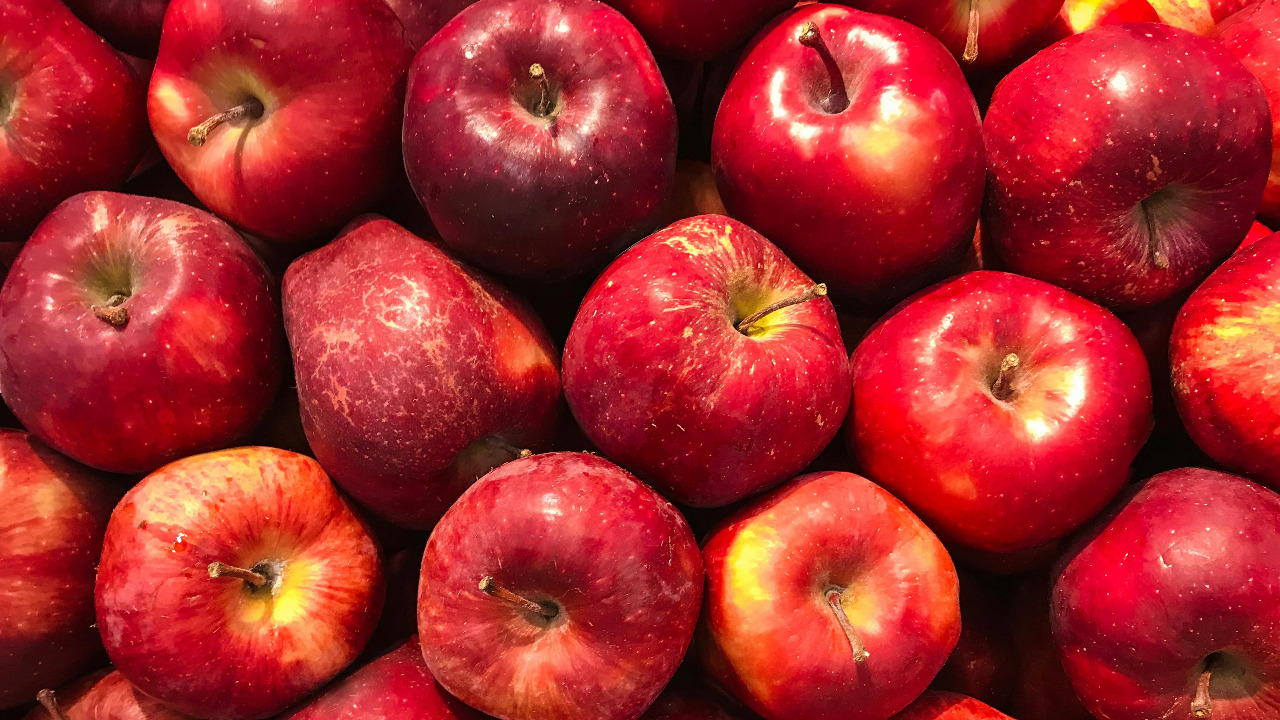
Apples are a staple in many households due to their versatility and health benefits. However, while they’re available year-round, they’re often overlooked during the summer when a plethora of other fruits are in season.
Apple harvests peak in the fall, meaning that apples available in the summer months have likely been stored from the previous year, resulting in decreased freshness and flavor. According to the U.S. Apple Association, waiting until after September ensures you’re buying the freshest, tastiest apples.
2. Squash
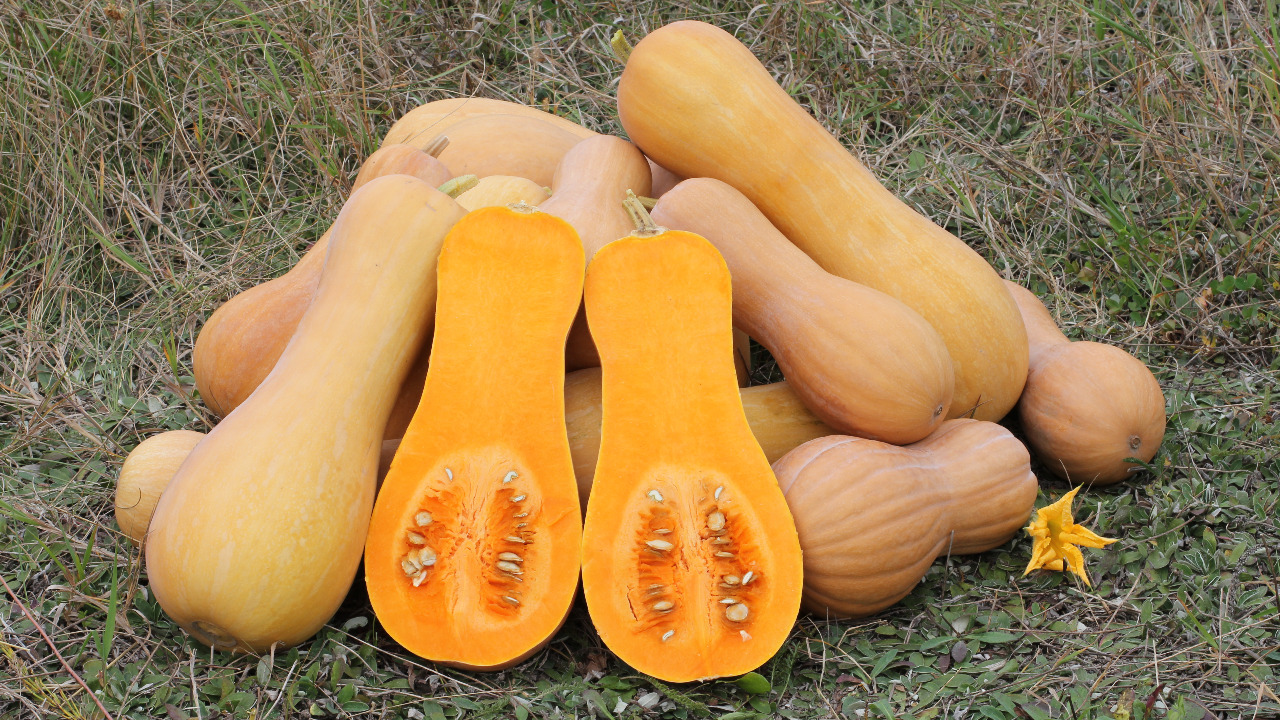
Squash, especially butternut and acorn varieties, are often overlooked during the summer months. That’s primarily because they’re traditionally associated with fall and winter dishes.
However, the real reason to avoid buying squash until after September is about quality. The Agricultural Marketing Resource Center explains that most squash varieties are harvested in the fall, so purchasing them in the summer means you’re getting less fresh produce.
3. Pumpkin
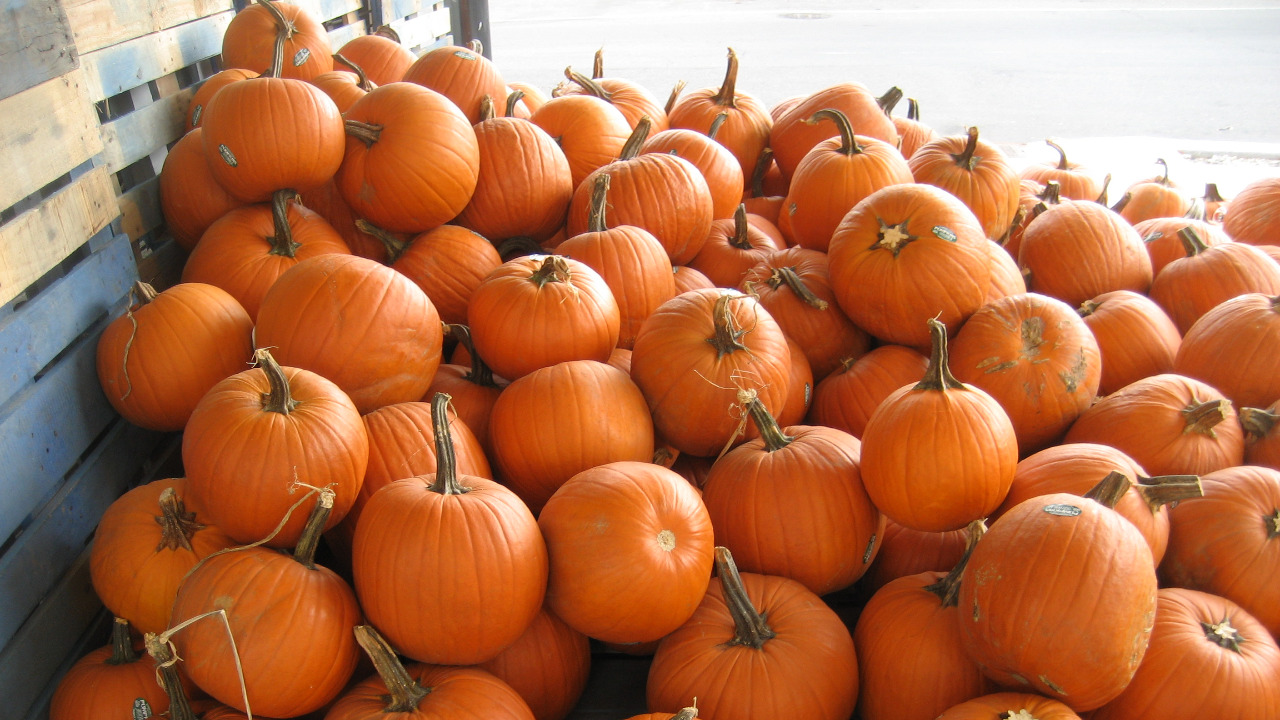
Pumpkin, the quintessential autumn fruit, is often bought canned or as a decorative item. However, many people overlook the nutritional benefits of fresh pumpkin, including rich supplies of fiber and vitamins.
According to USDA Economic Research Service, the majority of US pumpkin harvest occurs in October, so waiting until after September ensures you’re getting the freshest and most flavorful pumpkins.
4. Sweet Potatoes
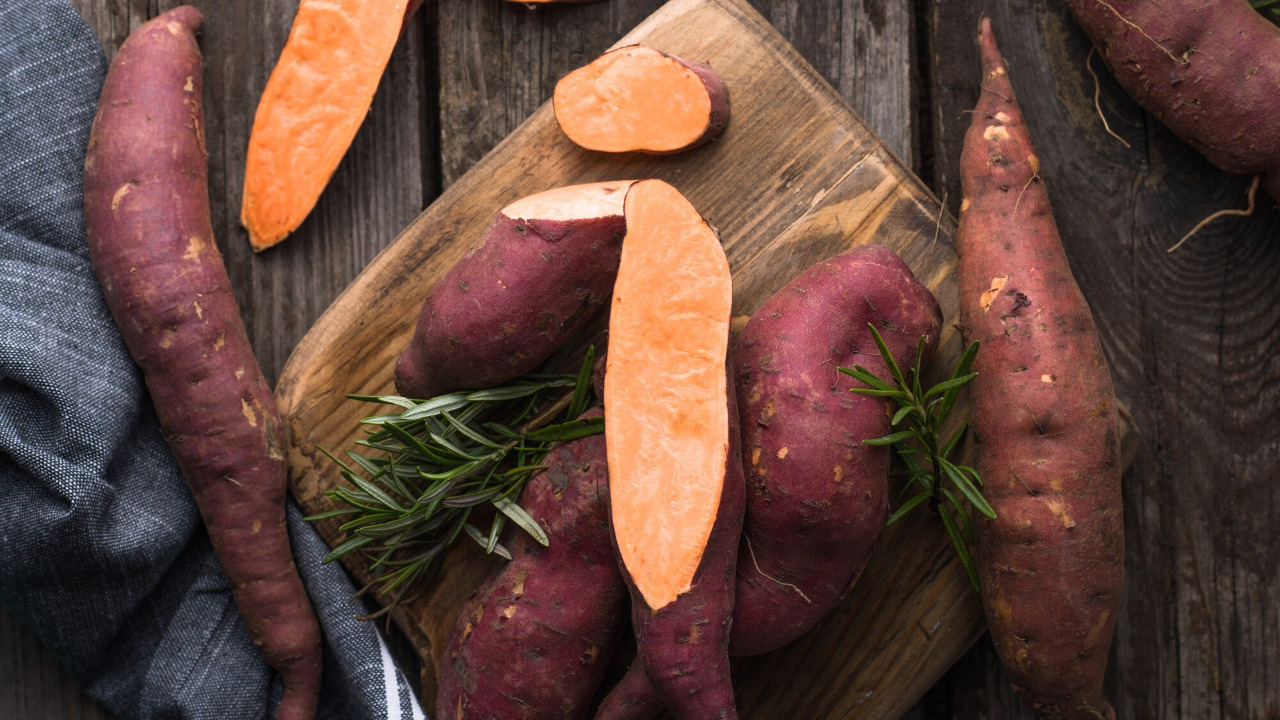
Sweet potatoes are a nutritious and versatile root vegetable. While they’re available year-round, they’re often overlooked during the summer months when lighter, more refreshing vegetables are in season.
However, according to North Carolina Sweet Potato Commission, sweet potatoes are harvested between August and October, so waiting until after September yields the freshest, most flavorful sweet potatoes.
5. Pomegranates
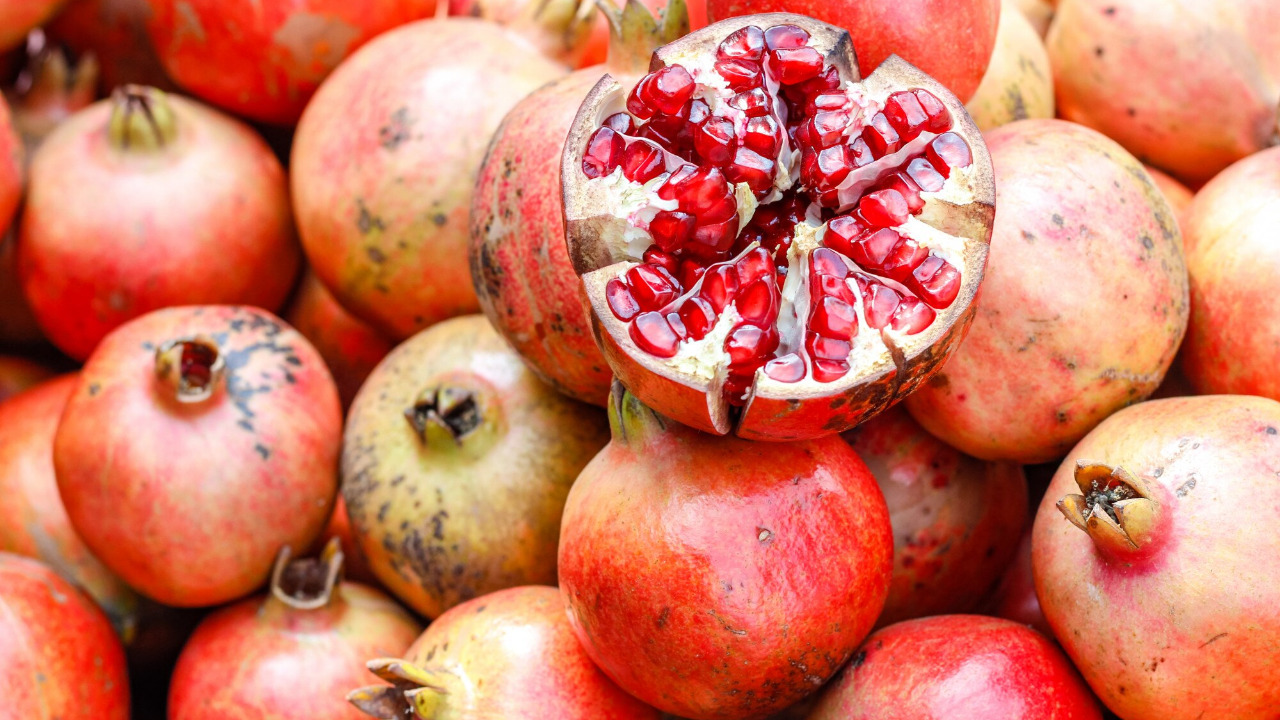
Pomegranates are revered for their unique tart-sweet taste and powerful antioxidants. However, their short season often leads people to overlook them or to buy them out of season when they’re less flavorful and more expensive.
As the Agricultural Marketing Resource Center explains, pomegranates are typically harvested between September and November, so waiting until after September ensures you’re getting the freshest and most flavorful fruit.
6. Brussels Sprouts
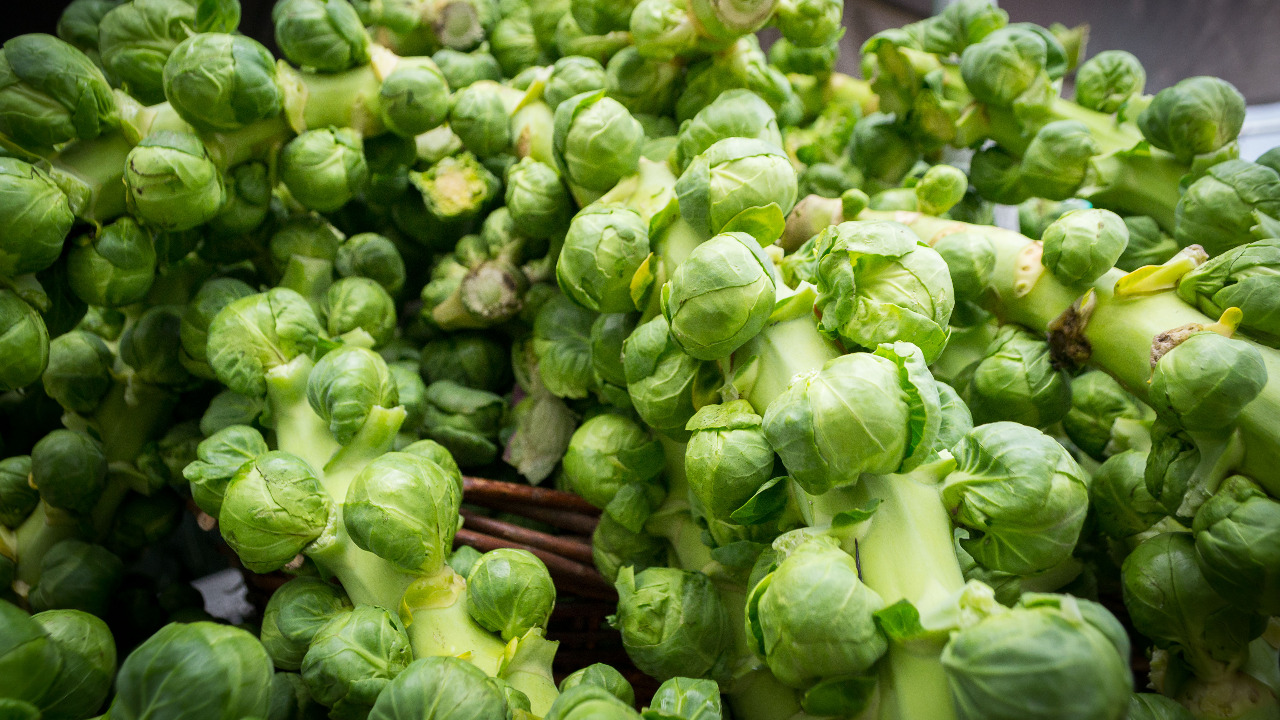
Brussels sprouts, while often associated with winter feasts, are a valuable addition to any diet. Rich in nutrients and fiber, these miniature cabbages are often overlooked during the summer, when lighter, more refreshing vegetables are in season.
Interestingly, according to the Only Foods, Brussels sprouts actually taste sweeter after the first frost of the year. Therefore, waiting until after September can yield a superior tasting sprout.
7. Beets
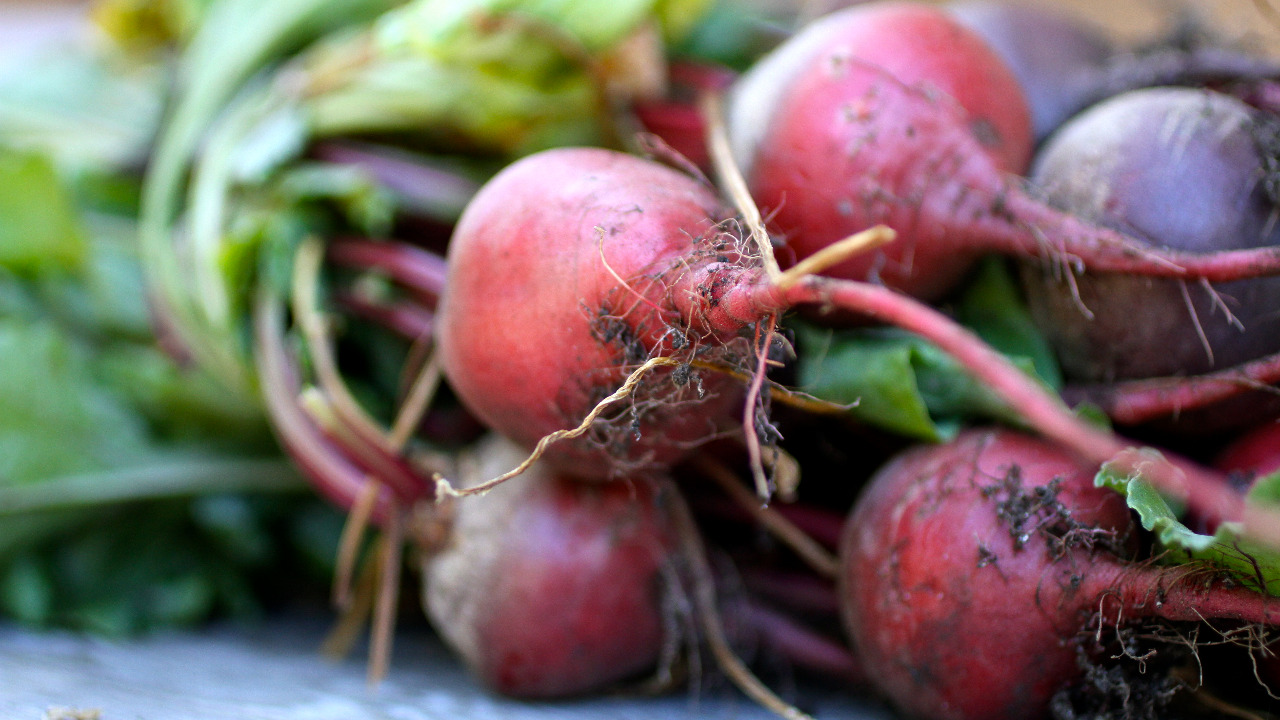
Beets, with their rich, earthy flavor, are a versatile root vegetable often used in salads, soups, and even desserts. However, many people overlook them during the summer months when lighter, more refreshing vegetables are in season.
The Agricultural Marketing Resource Center explains that beets are harvested throughout the fall, so waiting until after September ensures you’re getting the freshest, most flavorful beets.
8. Cauliflower
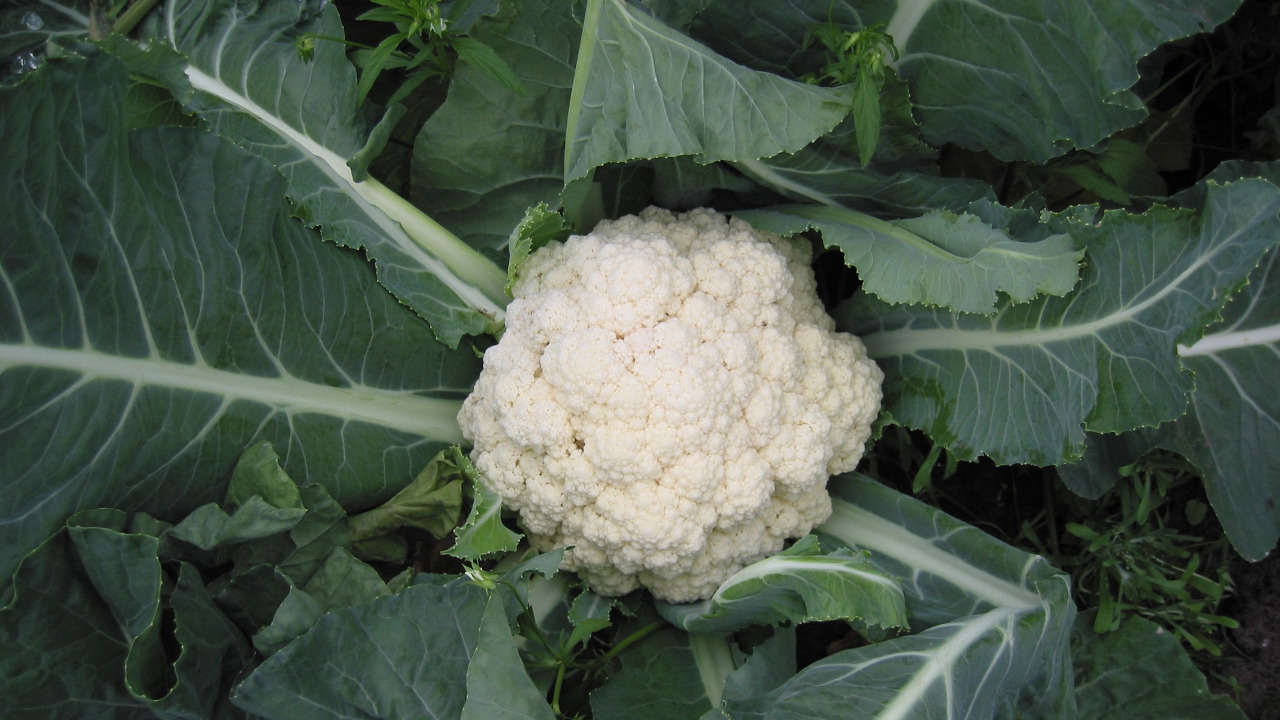
Cauliflower, a cruciferous vegetable, is often used as a low-carb substitute for grains and legumes. While it’s available year-round, it tends to be overlooked during the summer months when lighter, more refreshing vegetables are in season.
According to the Agricultural Marketing Resource Center, cauliflower is harvested throughout the fall, so waiting until after September ensures you’re getting the freshest, most flavorful cauliflower.
9. Persimmons
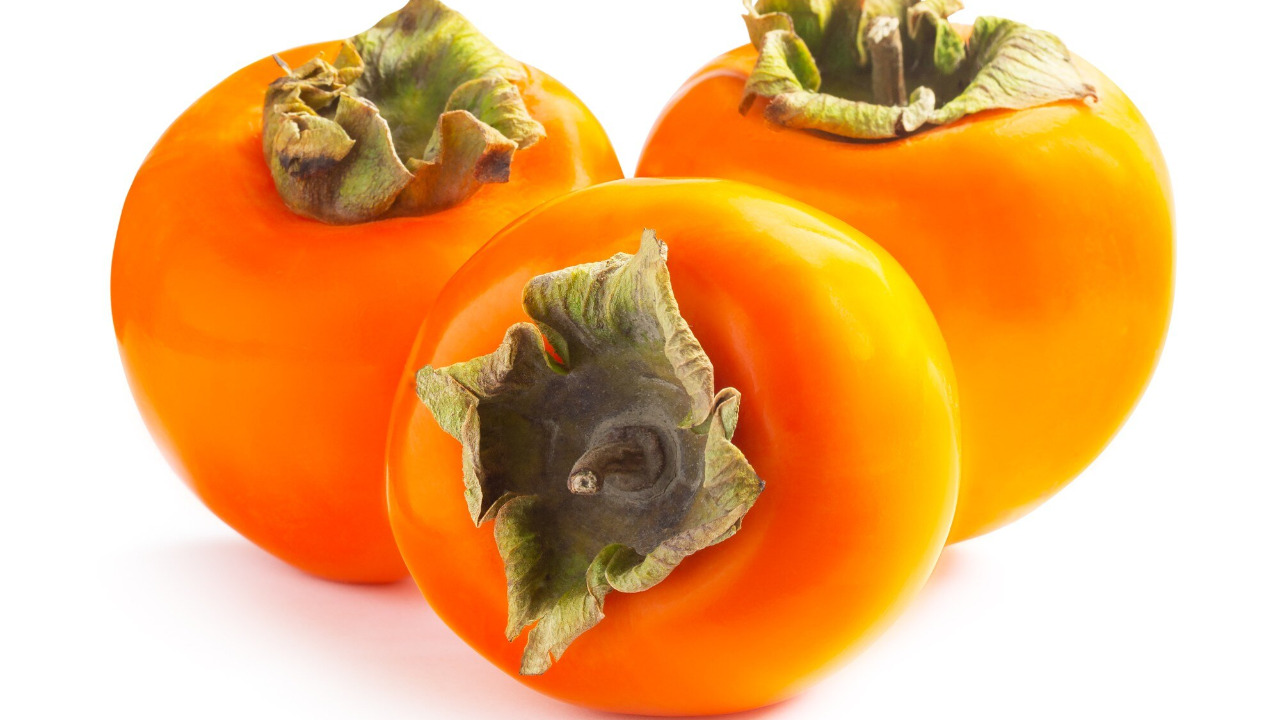
Persimmons, with their sweet, honey-like flavor, are a unique and nutritious fruit. However, they’re often overlooked due to their short season and the unfamiliarity of many consumers with how to use them.
According to the Agricultural Marketing Resource Center, persimmons are typically harvested between September and November, so waiting until after September ensures you’re getting the freshest and most flavorful fruit.
10. Cranberries
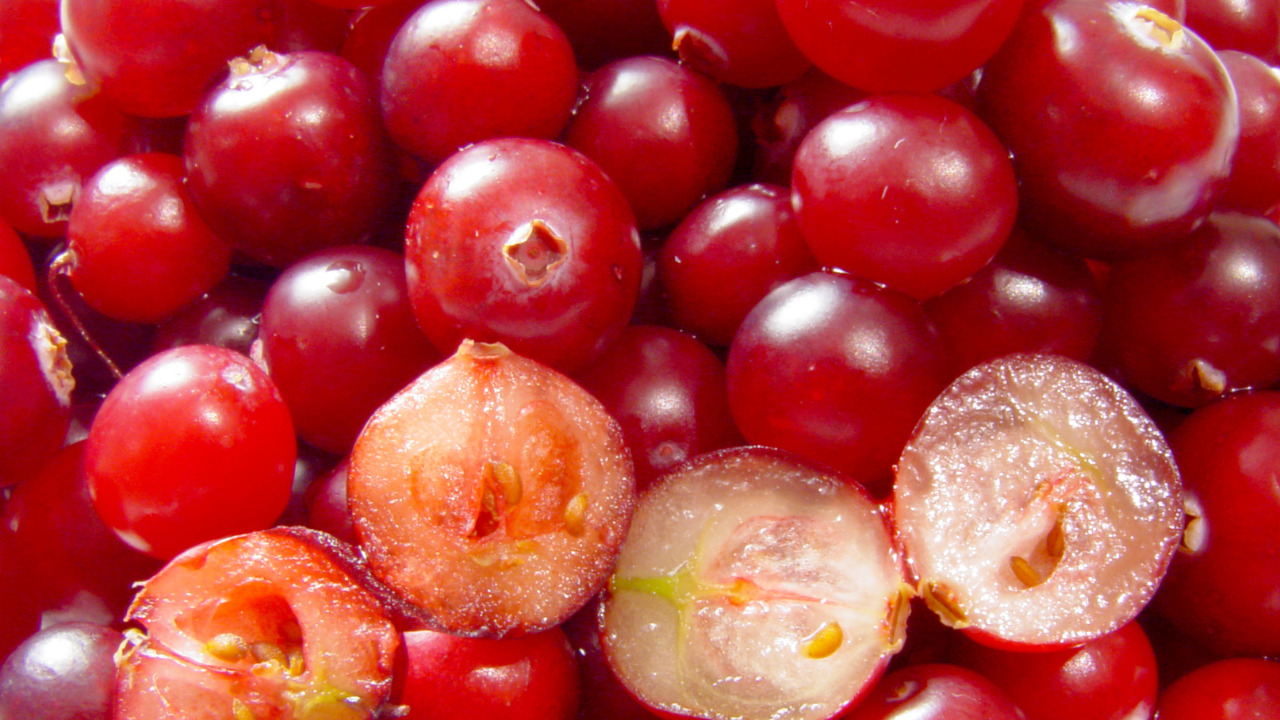
Cranberries, while often associated with holiday feasts, are a valuable addition to any diet. Rich in antioxidants and vitamins, these tart berries are often overlooked during the summer when sweeter fruits are in season.
Interestingly, according to the Cranberry Marketing Committee, cranberries are harvested between mid-September and mid-November. Therefore, waiting until after September can yield a superior tasting and more nutritious berry.

As a mom of three busy boys, I know how chaotic life can get — but I’ve learned that it’s possible to create a beautiful, cozy home even with kids running around. That’s why I started Cultivated Comfort — to share practical tips, simple systems, and a little encouragement for parents like me who want to make their home feel warm, inviting, and effortlessly stylish. Whether it’s managing toy chaos, streamlining everyday routines, or finding little moments of calm, I’m here to help you simplify your space and create a sense of comfort.
But home is just part of the story. I’m also passionate about seeing the world and creating beautiful meals to share with the people I love. Through Cultivated Comfort, I share my journey of balancing motherhood with building a home that feels rich and peaceful — and finding joy in exploring new places and flavors along the way.