

With the current trends of natural disasters, global pandemics, and economic uncertainties, keeping a well-stocked pantry is more important than ever. Having a supply of proteins on hand is not only a safe and savvy move, but it also saves time and eases stress during emergencies. Today, we’re going to delve into the pantry proteins I always have on standby.
This list is based on a combination of expert advice, current market trends, and extensive personal experience. We will explore each item in detail, discussing its benefits, uses, and why it’s an overlooked gem in the world of pantry stocking. So, without further ado, let’s unveil these pantry proteins that could be your lifesavers in times of crisis.
Canned Tuna
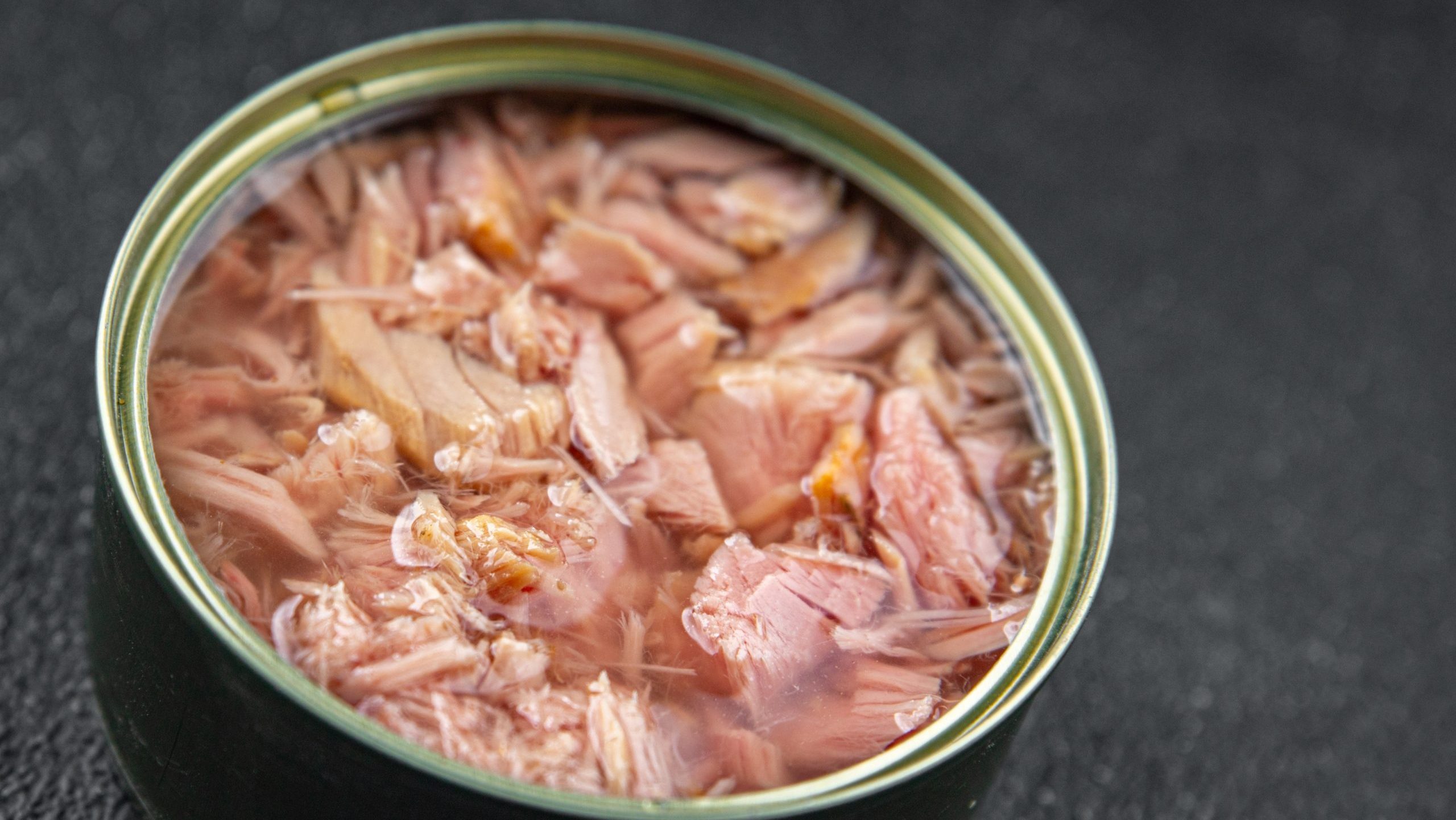
Canned tuna is a common household item, yet its value as a pantry protein is often overlooked. Bursting with high-quality protein, vitamins, and minerals, canned tuna is a versatile ingredient that can be used in a variety of dishes. It has a long shelf life, making it a perfect choice for those looking to stock up their pantries.
The demand for canned tuna has surged remarkably in recent times due to its health benefits and convenience. Notably, its high omega-3 fatty acid content has been linked to improved cardiovascular health. With the growing trend of home cooking amid the pandemic, canned tuna’s popularity is set to stay. You can find more about the current trends and health benefits of canned tuna here.
Dried Lentils
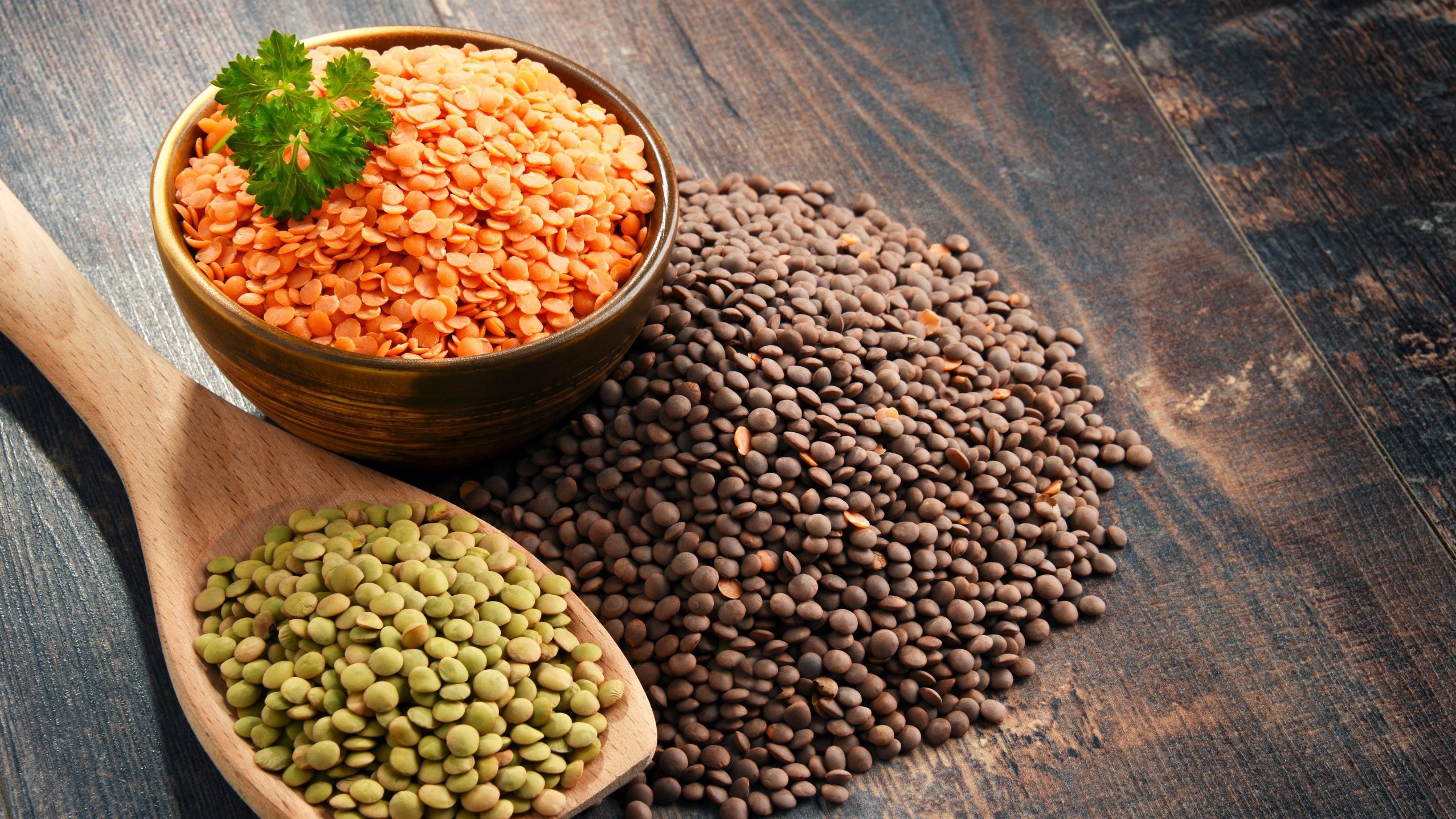
Dried lentils are a staple protein source in many cultures around the world. They are high in protein, fiber, and complex carbohydrates, and they don’t require soaking before cooking like many other legumes. Dried lentils are also inexpensive and have a long shelf life, making them a wonderful addition to your emergency pantry.
Currently, there is a growing trend in plant-based diets, and lentils are a superstar in this field. They can provide significant amounts of protein for vegetarians and vegans, and they are also a good source of iron. The Academy of Nutrition and Dietetics provides a wealth of information on the nutritional benefits of lentils and their increasing importance in our diets.
Quinoa
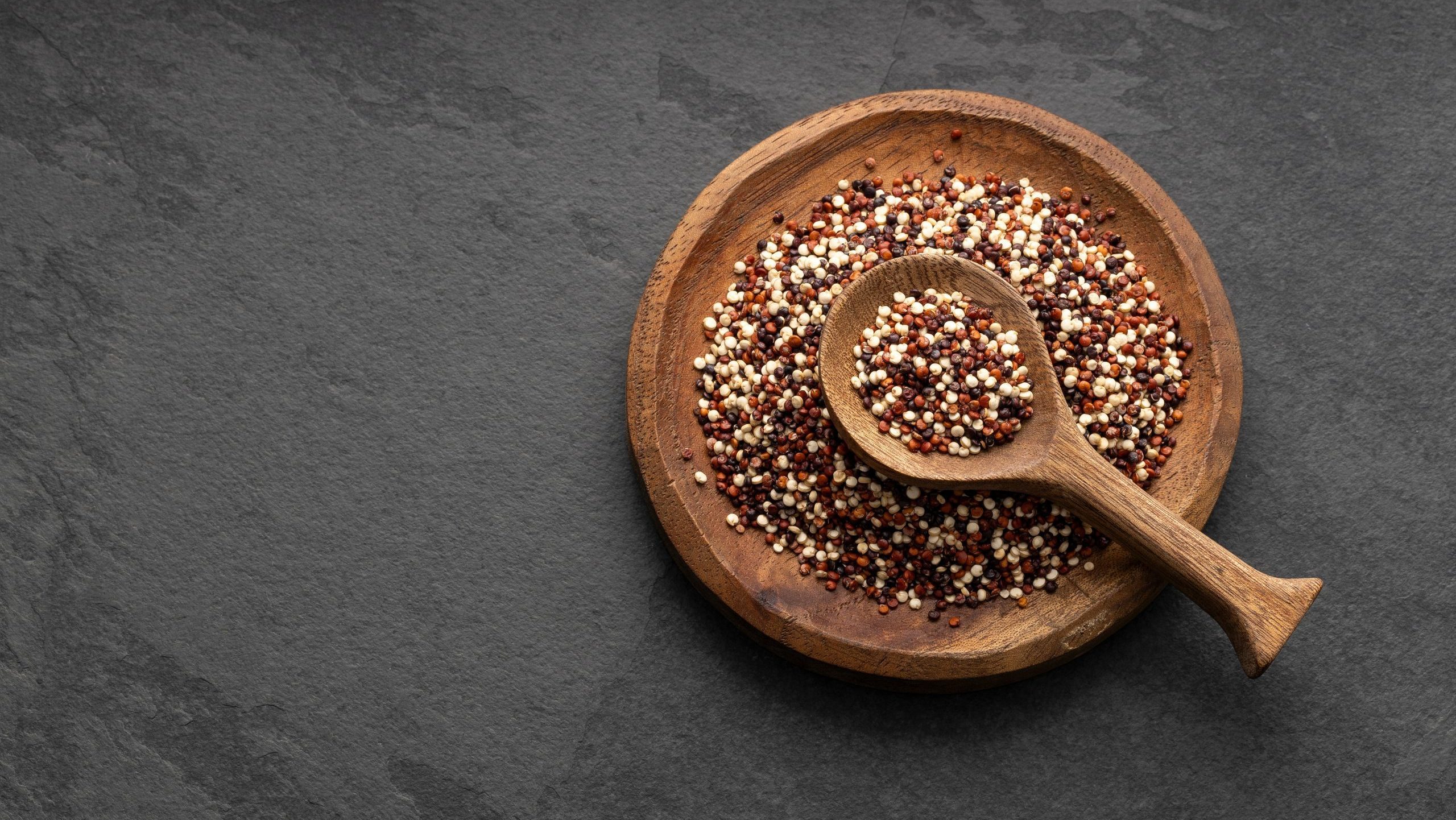
Quinoa, often described as a “superfood,” is a highly nutritious seed that is cooked and eaten like a grain. It is a complete protein, containing all nine essential amino acids, and is also rich in fiber, magnesium, and iron. Additionally, quinoa is gluten-free, making it a great choice for those with dietary restrictions.
Quinoa’s popularity has been on the rise globally due to its nutritional profile and versatility. Its ability to adapt to different dishes, from salads to desserts, has made it a favorite pantry protein among health-conscious consumers. The Harvard T.H. Chan School of Public Health provides more insights into the nutritional value and rising demand for quinoa.
Canned Beans
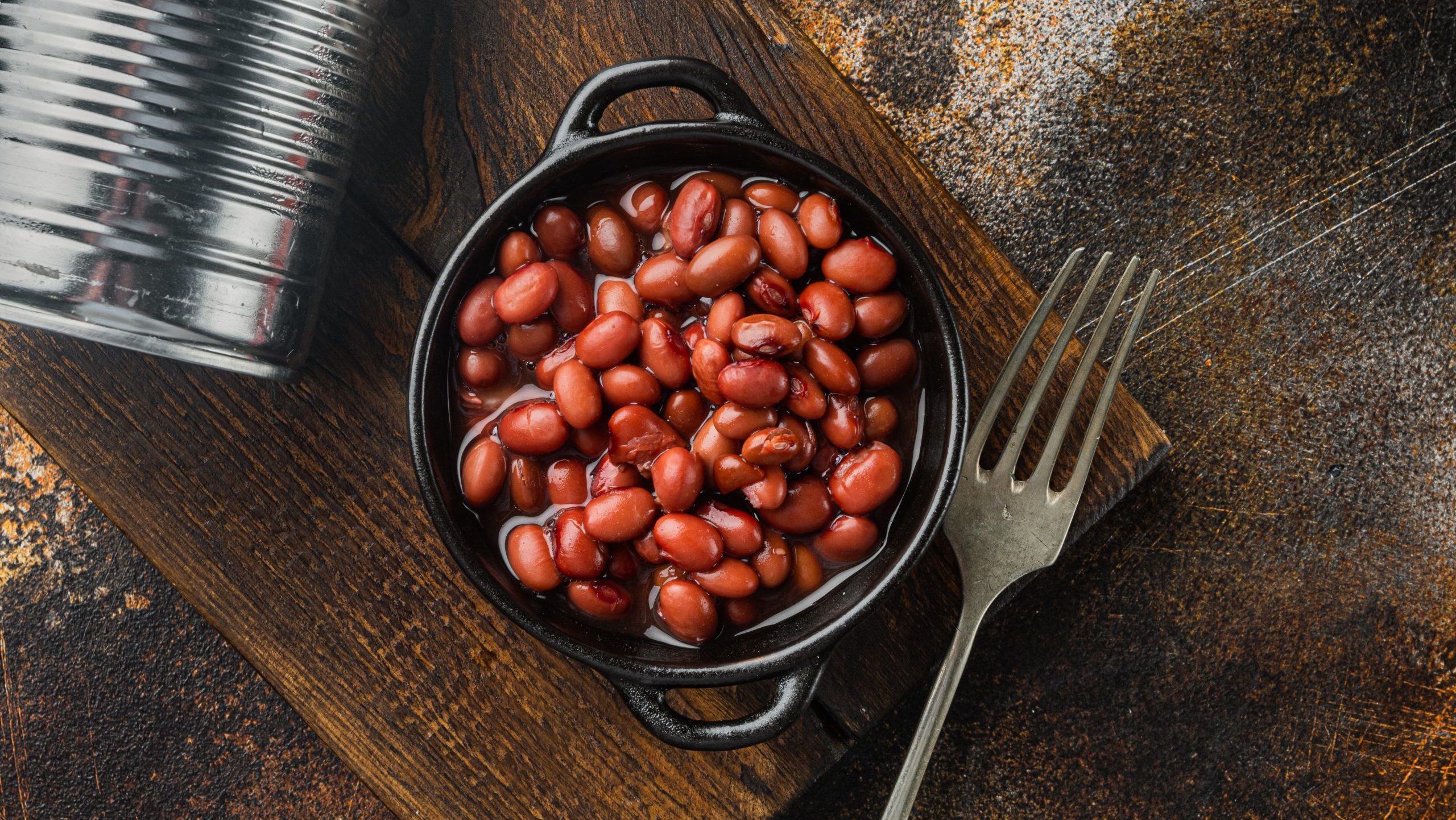
Canned beans are a versatile and convenient source of protein that should be in every emergency pantry. They are ready-to-eat, saving both time and energy in preparation. Beans are also a fantastic source of fiber, aiding in digestion and promoting a sense of fullness.
The trend of stocking canned beans has escalated during the recent pandemic, as people are looking for nutritious, long-lasting, and easy-to-prepare food options. Not only are they a staple in many traditional dishes, but beans are also a key ingredient in plant-based diets. For more information on the nutritional benefits and uses of canned beans, check out this article by the American Heart Association.
Peanut Butter
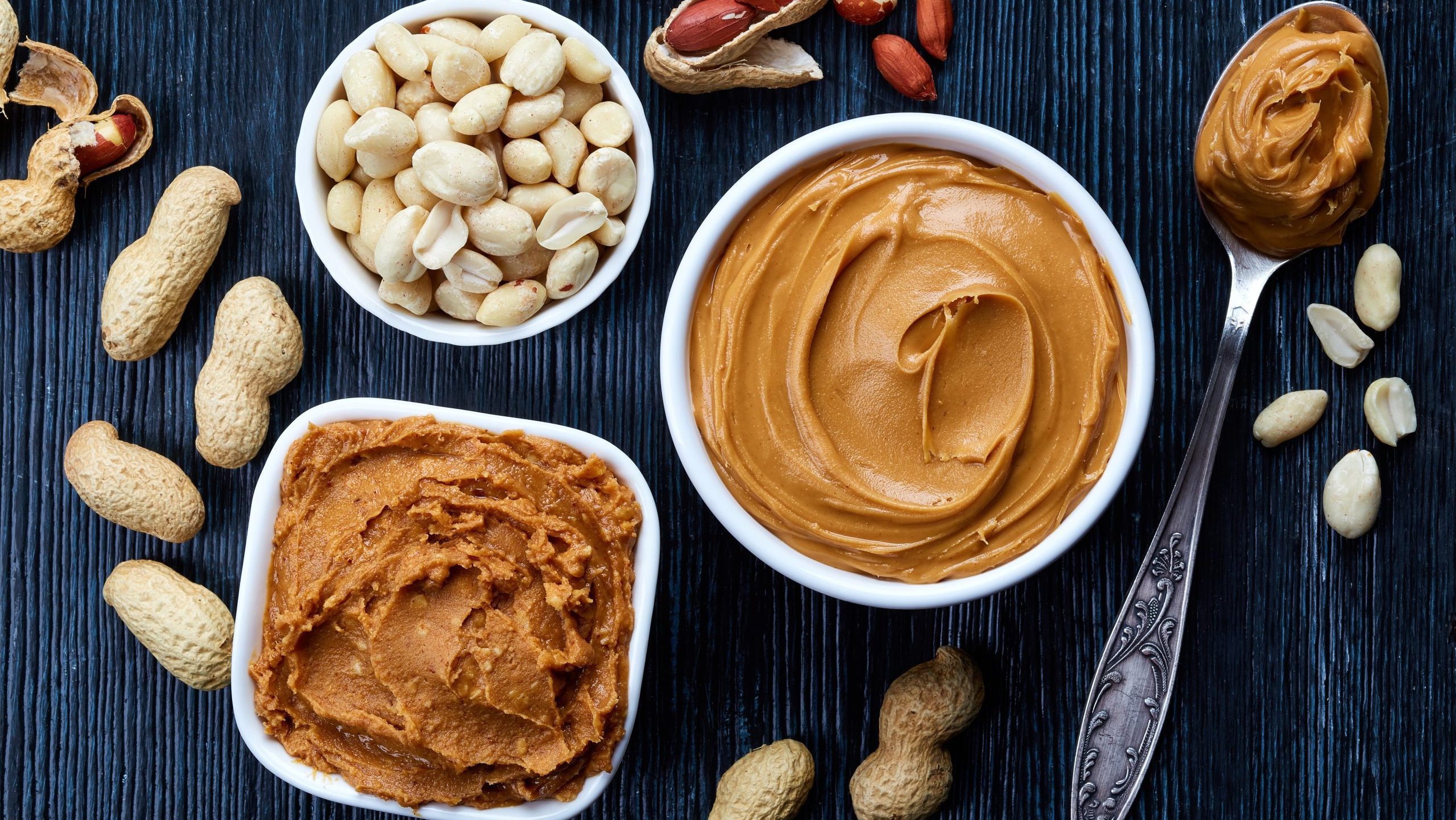
Peanut butter is an excellent source of protein and healthy fats, making it a great energy-dense food for your emergency pantry. While it’s often enjoyed spread on bread or used in baking, peanut butter can also be incorporated into savory dishes for an extra protein boost.
The demand for peanut butter has skyrocketed during the pandemic period, with consumers seeking comfort in familiar, nutritious, and versatile foods. The Harvard T.H. Chan School of Public Health outlines the health benefits of peanut butter and offers tips on choosing the healthiest options.
Chickpea Flour
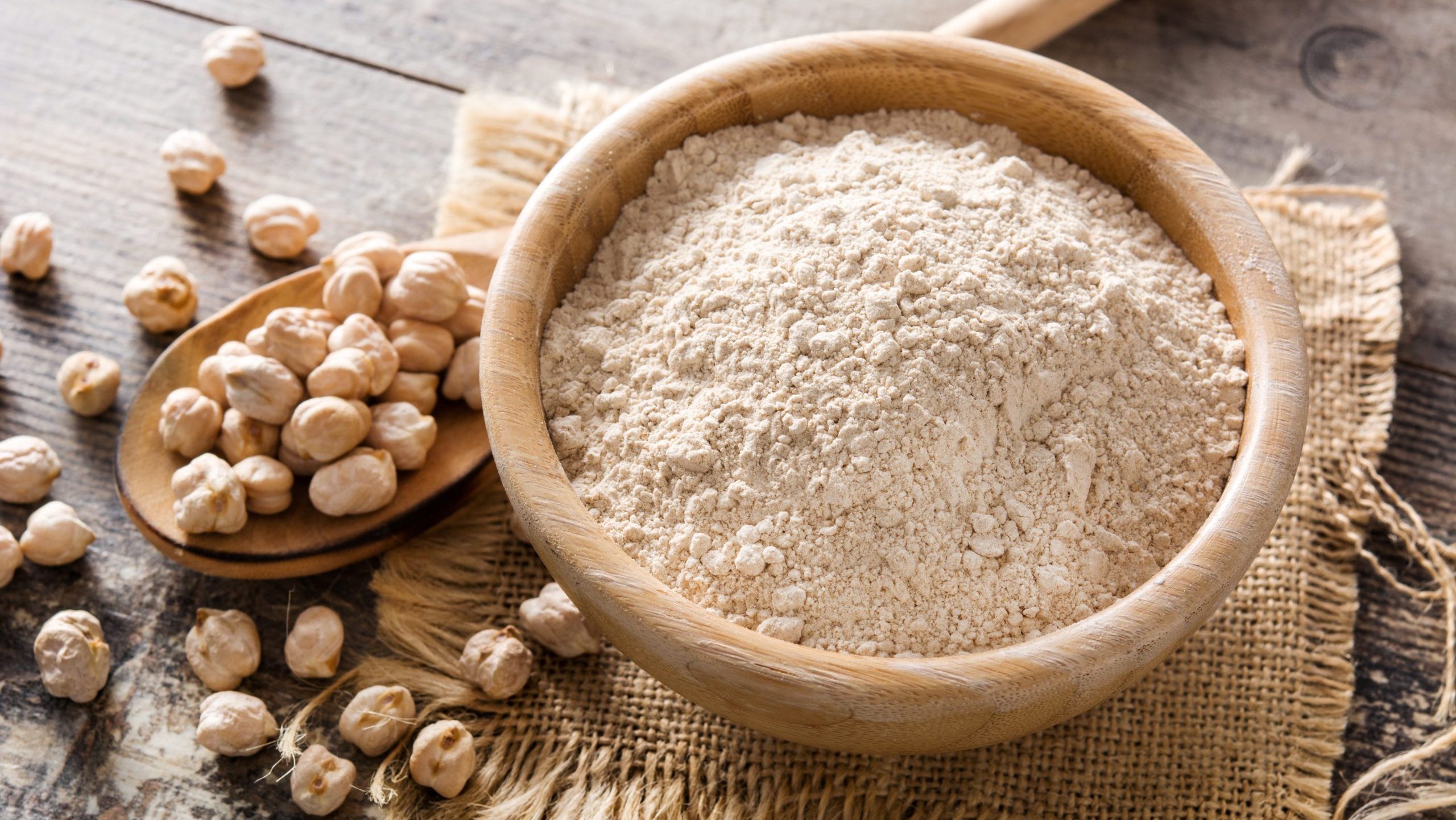
Chickpea flour, also known as garbanzo bean flour, is made from ground chickpeas. It’s a fantastic gluten-free alternative to wheat flour and is packed with protein. Chickpea flour can be used in a variety of recipes, from bread and pancakes to soups and stews.
The rise in gluten-free and plant-based diets has boosted the popularity of chickpea flour. It’s a versatile ingredient that can be used to increase the protein content in vegan and vegetarian dishes. The Healthline provides a detailed overview of the nutritional profile and uses of chickpea flour.
Dried Edamame
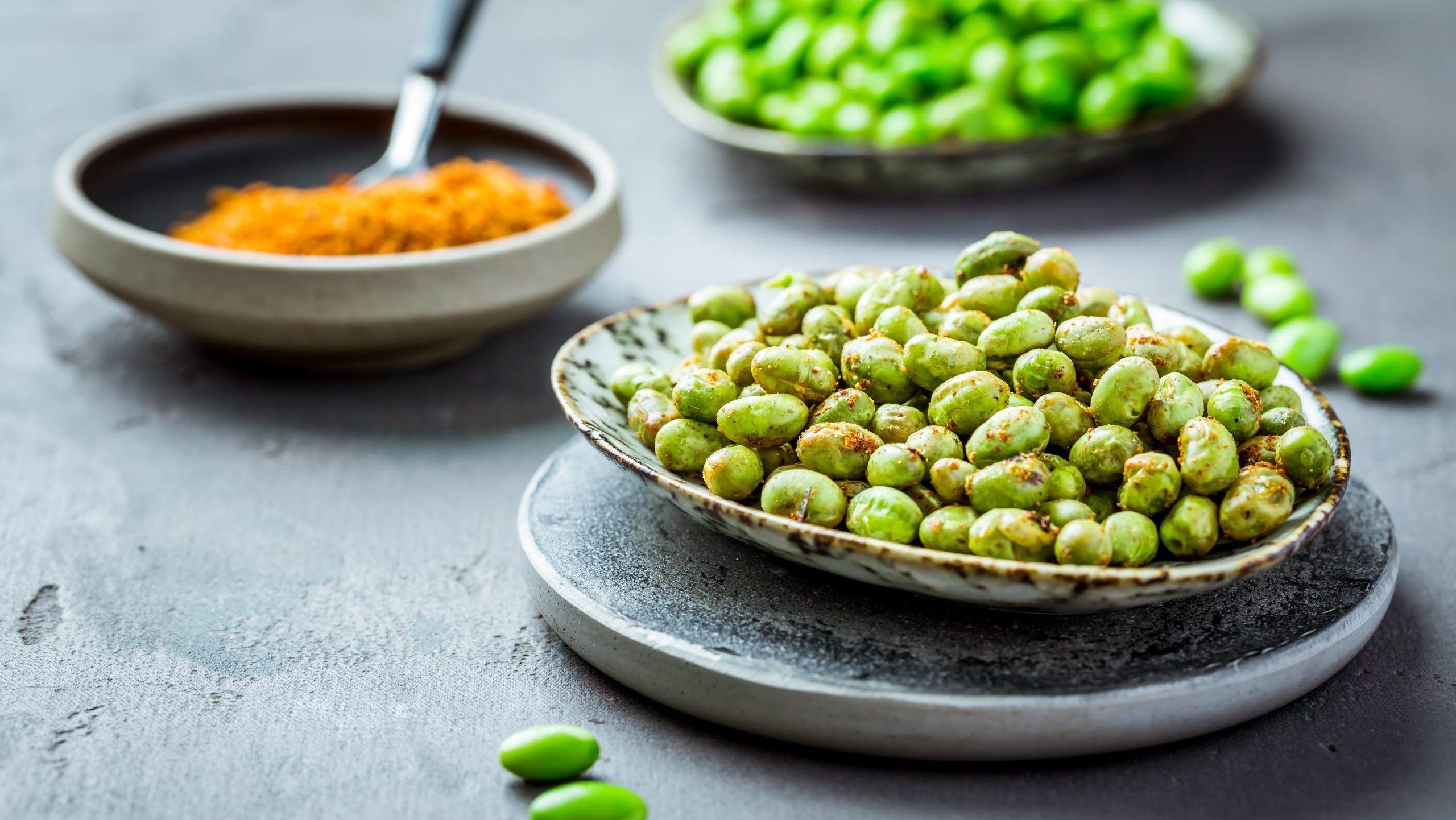
Dried edamame is a protein powerhouse that’s convenient, versatile, and tasty. Made from immature soybeans, dried edamame can be eaten as a snack, mixed into salads, or cooked into dishes for an added protein punch.
Edamame has been gaining popularity due to its nutritional benefits and its status as a complete protein. As more people embrace plant-based diets, the demand for protein sources like edamame is on the rise. In addition, edamame is rich in vitamins, minerals, and fiber. For more information on the benefits and uses of edamame, visit the WebMD website.
Chia Seeds
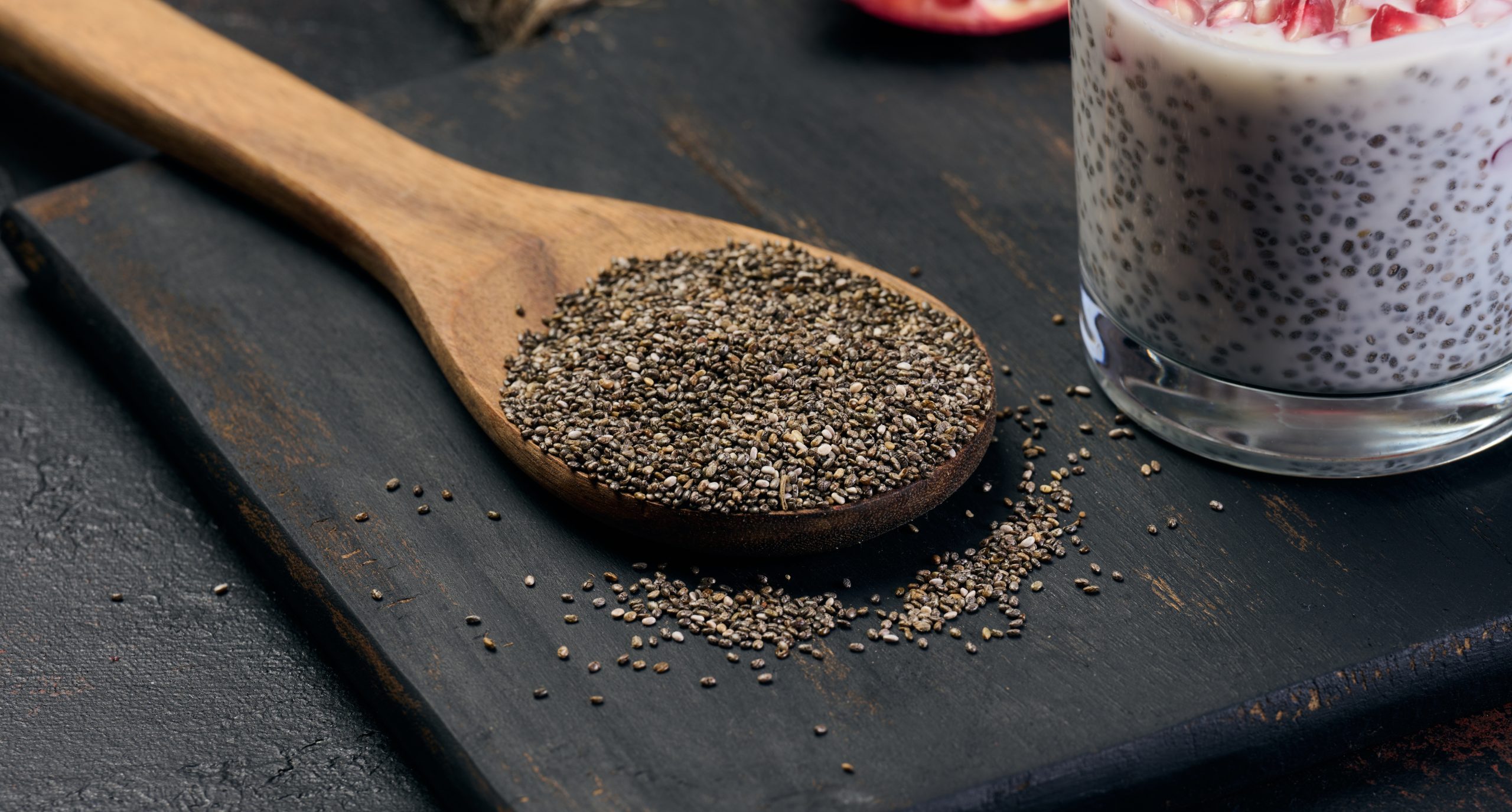
Chia seeds are tiny black seeds that pack a powerful nutritional punch. They are an excellent source of protein, fiber, omega-3 fatty acids, and various micronutrients. Chia seeds can be used in a myriad of ways, from sprinkling on salads and yogurt to making puddings and baking.
Chia seeds have gained considerable attention in recent years for their health benefits and versatility. They are a staple in many health-conscious diets and are touted for helping to promote weight loss, reduce inflammation, and improve heart health. The Harvard T.H. Chan School of Public Health provides more insights into the health benefits and uses of chia seeds.
Powdered Milk
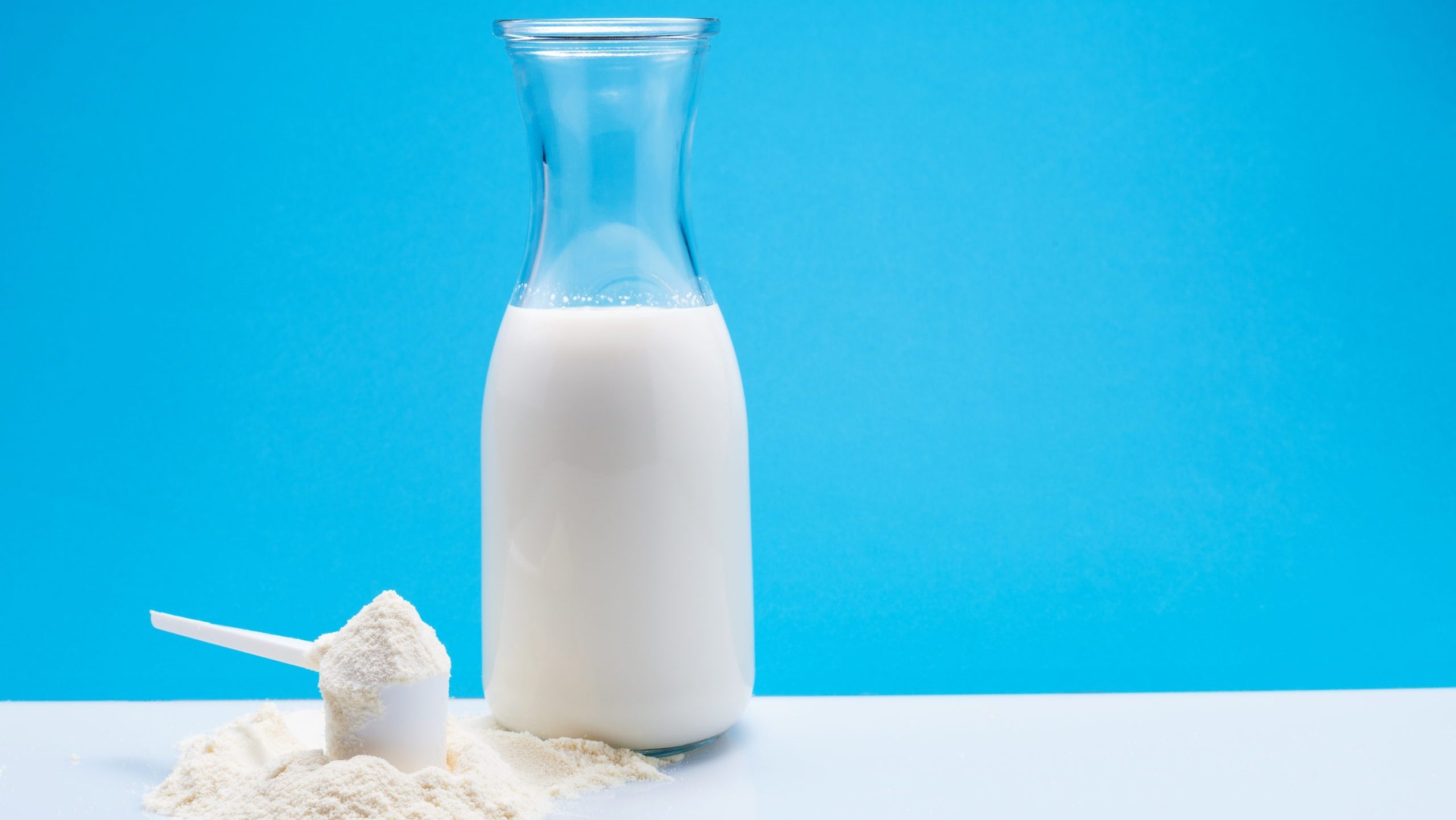
Powdered milk, or dry milk, is a convenient and long-lasting source of protein. It can be reconstituted with water to make liquid milk, or it can be used directly in baking and cooking recipes. Powdered milk is a great way to ensure you always have a dairy source available, even in emergencies.
The market for powdered milk has grown in recent times, especially during the pandemic, as more individuals stock up on non-perishable food items. It’s a versatile ingredient that can be used in a variety of dishes, from savory to sweet. The Kitchn offers numerous ways to utilize powdered milk in your cooking and baking.
Almonds
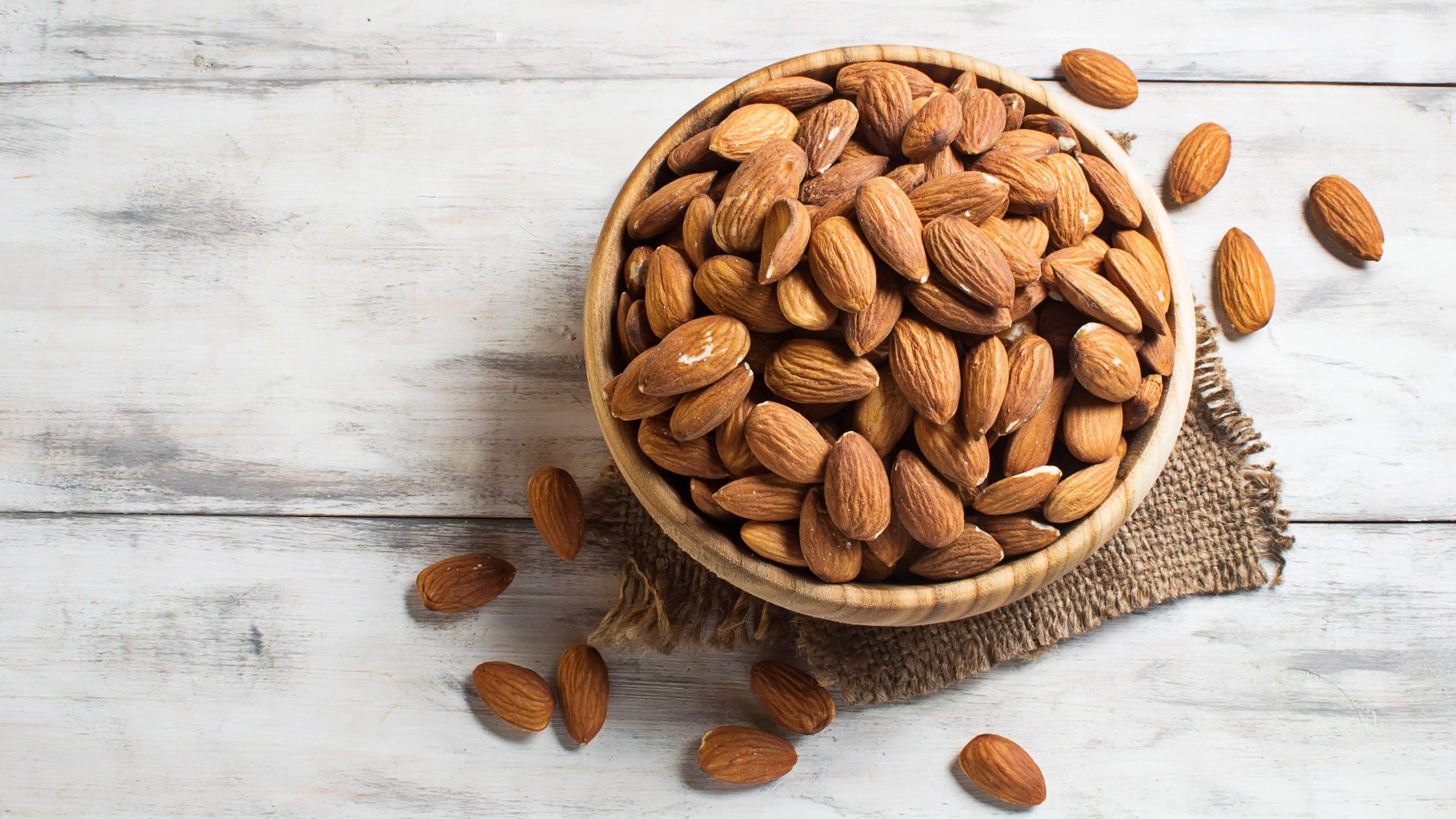
Almonds are a fantastic source of protein, healthy fats, and fiber. They can be consumed raw, roasted, or used in a variety of dishes. Almonds can also be ground into almond flour or almond butter, offering more ways to incorporate them into your meals.
Almonds have been gaining popularity due to their impressive nutritional profile and their potential health benefits, including improved heart health and blood sugar control. They are a staple in many diets, from keto to vegan. The Mayo Clinic provides more information on the health benefits of almonds and other nuts.

As a mom of three busy boys, I know how chaotic life can get — but I’ve learned that it’s possible to create a beautiful, cozy home even with kids running around. That’s why I started Cultivated Comfort — to share practical tips, simple systems, and a little encouragement for parents like me who want to make their home feel warm, inviting, and effortlessly stylish. Whether it’s managing toy chaos, streamlining everyday routines, or finding little moments of calm, I’m here to help you simplify your space and create a sense of comfort.
But home is just part of the story. I’m also passionate about seeing the world and creating beautiful meals to share with the people I love. Through Cultivated Comfort, I share my journey of balancing motherhood with building a home that feels rich and peaceful — and finding joy in exploring new places and flavors along the way.