

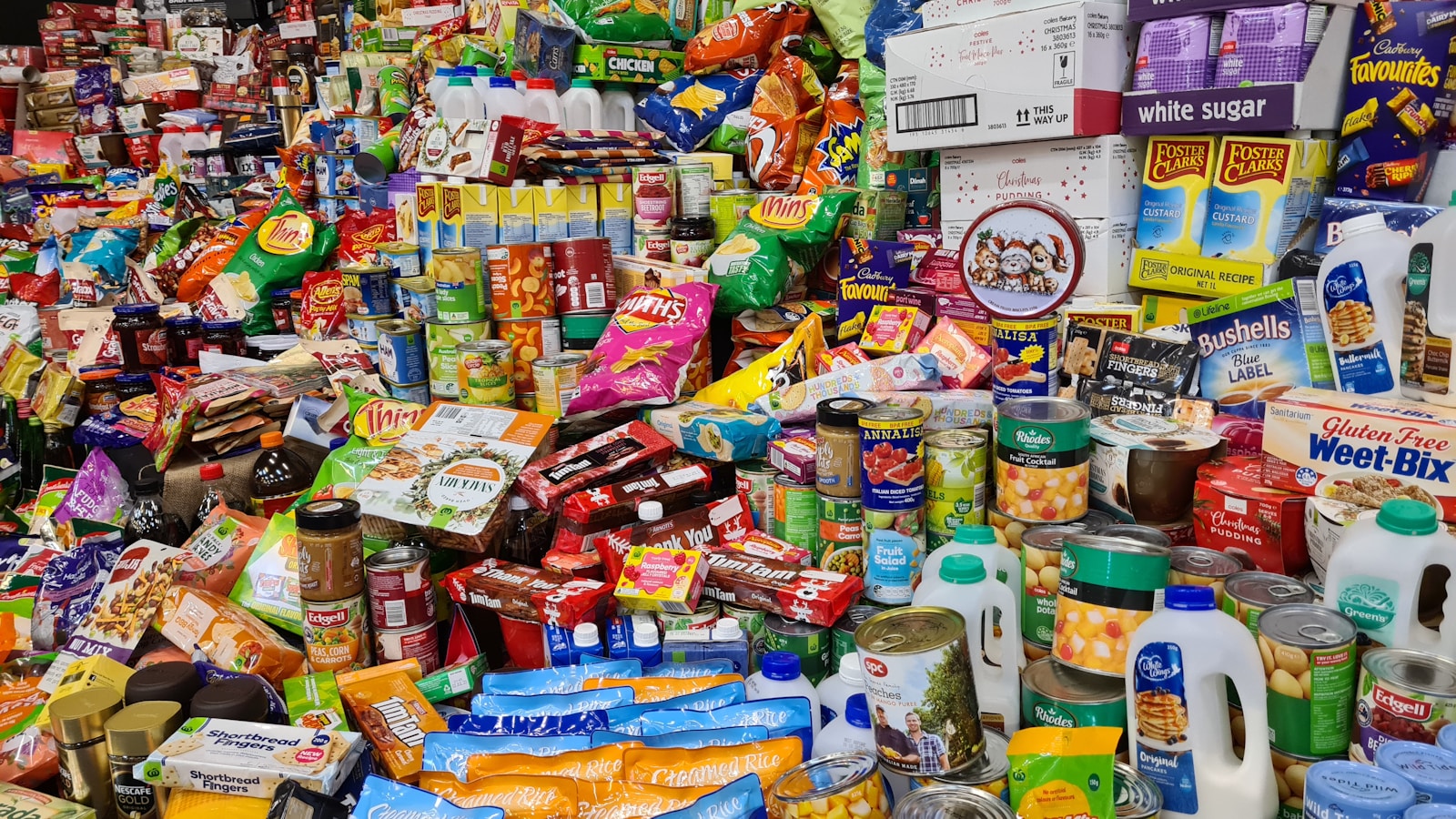
Consumers are feeling the pinch as six common grocery items have not only increased in price but also shrunk in size, impacting household budgets across the country. This trend, often referred to as “shrinkflation,” has left shoppers grappling with higher costs for fewer products, prompting concerns about the long-term effects on family finances and the economy as a whole.
The Rise of Shrinkflation
Shrinkflation occurs when manufacturers reduce the size or quantity of a product while maintaining the same price or increasing it. This tactic allows companies to manage rising production costs without alarming consumers with overt price hikes. As inflation continues to affect various sectors, many grocery items have experienced this phenomenon, leading to frustration among consumers who feel they are getting less for their money.
1. Cereal: A Breakfast Staple
Many popular cereal brands have quietly reduced their box sizes while increasing prices. For instance, a leading brand that used to offer a 16-ounce box has now shifted to a 14-ounce option, all while keeping the price point largely unchanged. This 12.5% reduction in volume, coupled with a price increase of around 5%, means families are paying more for less, which can significantly impact breakfast budgets over time.
2. Ice Cream: A Sweet Treat
Ice cream lovers have also noticed changes in their favorite frozen desserts. Several well-known brands have shrunk their standard pint sizes from 16 ounces to 14 ounces, despite an increase in retail price. This means consumers are now paying approximately 10% more for their beloved treat, raising questions about whether the quality remains the same as the portion sizes dwindle.
3. Snack Foods: Chips and Cookies
Snack foods, particularly chips and cookies, have not been spared from shrinkflation. Many brands have decreased the number of chips in a bag or the quantity of cookies in a package while raising prices. For example, a bag of chips that once contained 10 ounces is now often found at 8.5 ounces, with a price hike of 8%. This means consumers are getting less crunch for their cash, sparking dissatisfaction among snack enthusiasts.
4. Coffee: A Daily Essential
Coffee drinkers may be surprised to learn that their favorite brands have also downsized. Some packages that previously offered 12 ounces now contain only 10 ounces, often with a price increase of about 7%. As coffee is a daily staple for many, this reduction can significantly affect monthly grocery budgets, causing shoppers to reconsider their caffeine choices.
5. Toilet Paper: A Household Necessity
Toilet paper has become a focal point of shrinkflation as well. Several brands have reduced the number of sheets per roll while increasing the overall price. For example, a roll that used to have 200 sheets may now only have 180 sheets, with prices rising by nearly 5%. This change may seem minor, but for families with multiple members, it can lead to increased purchases and higher overall spending.
6. Yogurt: A Popular Snack
Yogurt is another grocery staple that has seen both size reductions and price increases. Many yogurt cups that were once 6 ounces have shifted to 5.3 ounces, with prices rising by around 6%. This trend is particularly concerning for health-conscious consumers who rely on yogurt as a nutritious snack or breakfast option, as they now find themselves paying more for smaller servings.
Consumer Reactions and Impact
The effects of shrinkflation are prompting mixed reactions from consumers. While many are frustrated by the gradual changes in product sizes, others may not notice the differences until they realize their grocery bills are higher than expected. This trend can lead to a significant cumulative financial impact, especially for families who rely on these everyday items.
Looking Ahead: What Can Consumers Do?
As shrinkflation continues to be a concern, consumers are encouraged to stay vigilant about their grocery purchases. Comparing prices and sizes across brands can help shoppers ensure they are getting the best value. Additionally, buying in bulk or seeking out store-brand alternatives may offer relief from rising costs. Awareness of these changes can empower consumers to make informed decisions and potentially save money in the long run.
Conclusion
The trend of shrinkflation affects various grocery items that consumers rely on daily, creating a challenging landscape for household budgets. As prices rise and product sizes decrease, shoppers must adapt to ensure they are getting the best value for their money.

As a mom of three busy boys, I know how chaotic life can get — but I’ve learned that it’s possible to create a beautiful, cozy home even with kids running around. That’s why I started Cultivated Comfort — to share practical tips, simple systems, and a little encouragement for parents like me who want to make their home feel warm, inviting, and effortlessly stylish. Whether it’s managing toy chaos, streamlining everyday routines, or finding little moments of calm, I’m here to help you simplify your space and create a sense of comfort.
But home is just part of the story. I’m also passionate about seeing the world and creating beautiful meals to share with the people I love. Through Cultivated Comfort, I share my journey of balancing motherhood with building a home that feels rich and peaceful — and finding joy in exploring new places and flavors along the way.