

You’re about to tour six mustards that span mild to fiery, so you can match the right squeeze to your sandwich, pretzel, or salad. This guide shows which mustards bring subtle sweetness, gentle tang, or full-on heat so you can pick the one that fits your taste.
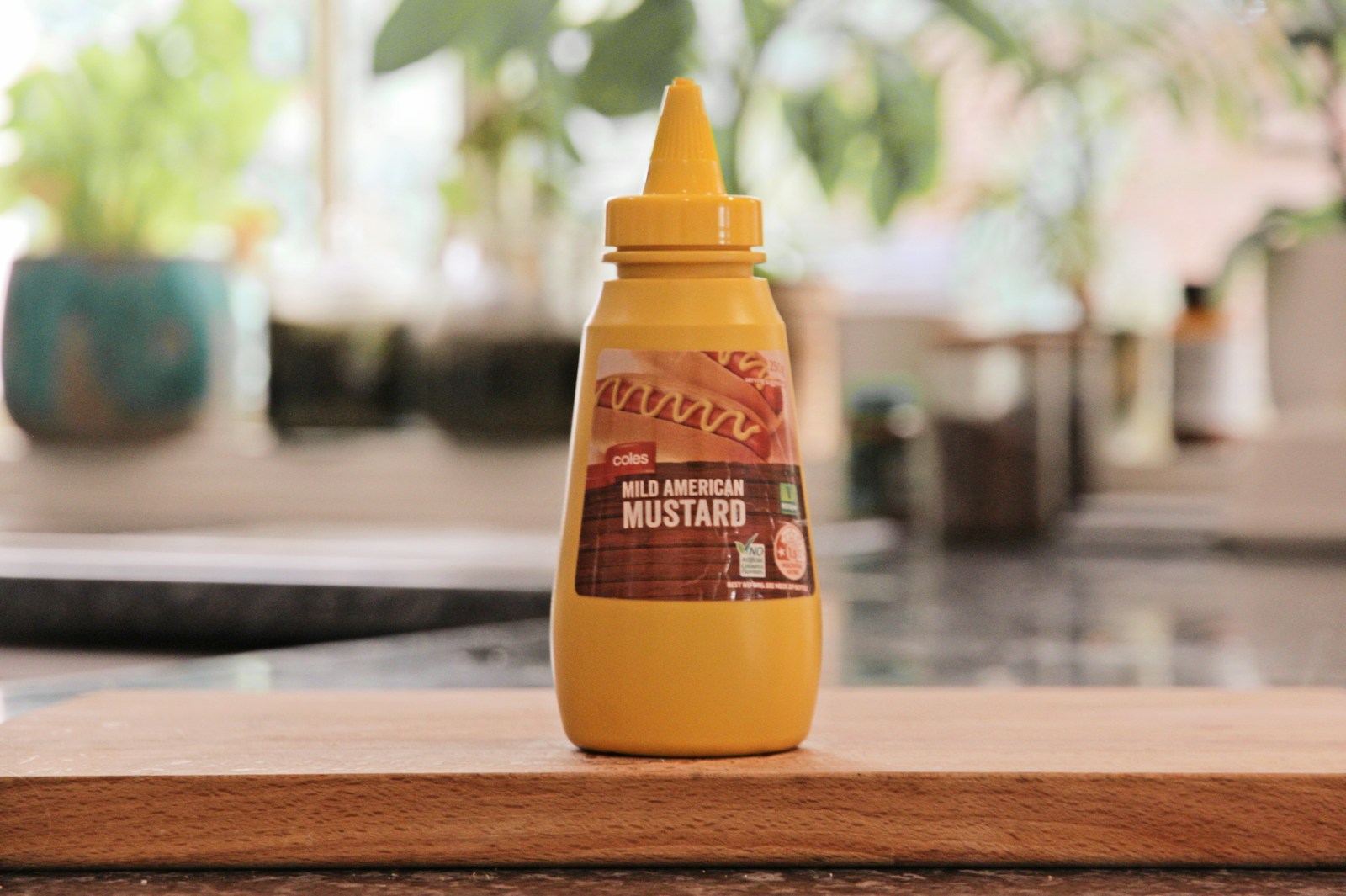
Expect quick takes on texture, flavor punch, and best uses — from silky Dijon to grainy whole grain and everything in between — so you waste less time guessing and more time enjoying your food.
French Dijon Mustard
You’ll recognize Dijon by its smooth, tangy bite that livens sandwiches and vinaigrettes. It usually blends brown or black mustard seeds with white wine or verjuice for a clean, sharp flavor.
Use it to boost sauces or smear on meats; a little goes a long way. For a quick comparison of popular Dijon jars, see this blind taste test of multiple brands (Parade).
Honey Mustard
You’ll find honey mustard sits toward the milder end of the heat spectrum, blending sweet honey with smooth mustard tang. It works well as a dip for chicken and a simple sandwich spread.
Pick varieties labeled for dipping if you want thicker texture, or a Dijon-style honey mustard for more bite. Read reviews and taste tests like this ranking of store-bought honey mustards to find a jar you’ll actually use.
Classic Yellow Mustard
You know this one—bright, tangy, and reliably mild. It adds zip to hot dogs, burgers, and potato salad without overpowering other flavors.
Most brands use vinegar, turmeric, and ground yellow seeds for that familiar color and gentle heat. If you want a no-fuss condiment that wakes up a dish, this is the go-to.
Whole Grain Mustard
You’ll notice whole grain mustard for its visible seeds and coarse texture. It adds crunch and a mild, nutty heat without overwhelming other flavors.
Use it on sandwiches, in vinaigrettes, or to give roasted meats a textured glaze. If you want a reliable pick, many cooks praise Maille Old Style for its balance and authenticity (https://tastestl.com/best-whole-grain-mustard/).
German Sweet Mustard
You’ll find German sweet mustard mild, slightly tangy, and gently sweet—perfect for bratwurst and pretzels. It uses brown or yellow mustard seeds with sugar or honey to soften the heat.
Texture ranges from smooth to lightly grainy, so pick what fits your sandwich or sausage. Try a classic Bavarian-style jar to see how sweetness balances savory dishes.
For notes on regional varieties and pairings, check a guide to Germany’s regional mustard varieties.
Spicy Brown Mustard
You’ll notice spicy brown mustard brings more texture and heat than plain yellow. It uses coarsely ground seeds for a grainy bite and a deeper, tangy flavor.
Use it on pastrami sandwiches, bratwursts, or stirred into vinaigrettes to wake up flavors. If you want recommendations and tasting notes, check this Serious Eats taste test for spicy brown mustards (https://www.seriouseats.com/taste-test-the-best-spicy-brown-mustard).
More from Cultivated Comfort:
- 7 Vintage Home Items From the ’60s That Are Collectors’ Dream Finds
- 7 Vintage Home Goods That Became Collectors’ Gold
- 7 Fast-Food Chains That Changed for the Worse
- 7 Frozen Dinners That Were Better Back in the Day

As a mom of three busy boys, I know how chaotic life can get — but I’ve learned that it’s possible to create a beautiful, cozy home even with kids running around. That’s why I started Cultivated Comfort — to share practical tips, simple systems, and a little encouragement for parents like me who want to make their home feel warm, inviting, and effortlessly stylish. Whether it’s managing toy chaos, streamlining everyday routines, or finding little moments of calm, I’m here to help you simplify your space and create a sense of comfort.
But home is just part of the story. I’m also passionate about seeing the world and creating beautiful meals to share with the people I love. Through Cultivated Comfort, I share my journey of balancing motherhood with building a home that feels rich and peaceful — and finding joy in exploring new places and flavors along the way.