In a 2024 Reddit thread that drew thousands of upvotes, a father of two described his marriage in five words: “just roommates sharing an address.” His wife, he wrote, was so physically depleted from nursing an infant and chasing a preschooler that she had nothing left for the relationship. The responses were immediate and overwhelming, with dozens of parents echoing the same experience. That thread captured something clinical research has been documenting for decades: the arrival of a baby is one of the most destabilizing events a romantic partnership can face.
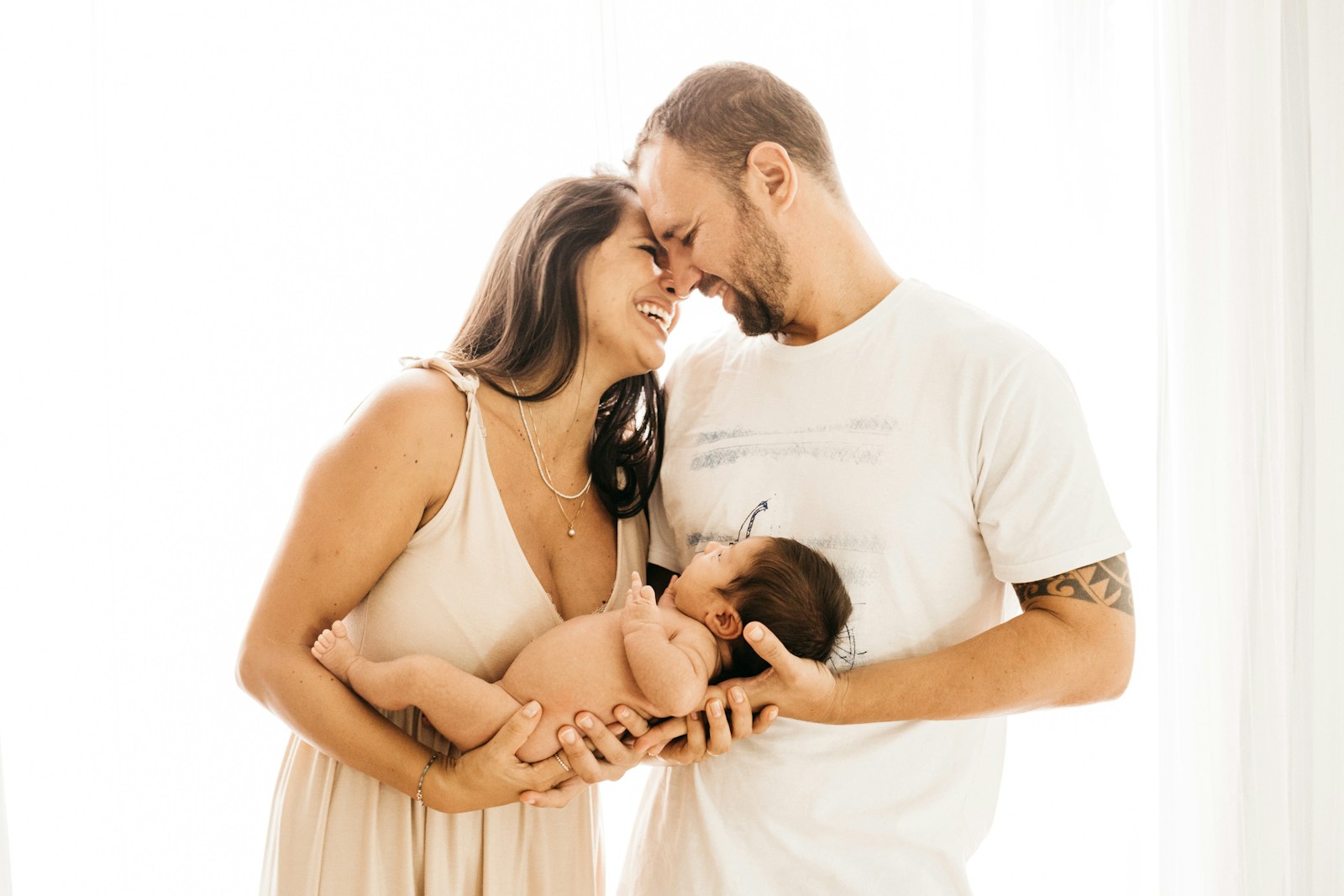
According to a landmark 2008 study published in the Journal of Family Psychology, couples experience sudden increases in conflict and decreases in satisfaction after the birth of a first child, with the steepest declines occurring in the earliest months. A 2021 meta-analysis indexed in PubMed confirmed the pattern across multiple countries and study designs, finding elevated rates of depressive symptoms and relationship strain during the transition to parenthood. The feeling of becoming strangers is not a personal failure. It is a well-documented psychological phenomenon.
Why new parents start feeling like roommates
Sleep deprivation alone can account for a significant share of the damage. Fragmented sleep impairs emotional regulation, reduces empathy and makes even minor disagreements feel like major betrayals. Layer on round-the-clock feeding schedules, hormonal shifts for the birthing parent and the logistical avalanche of newborn care, and the conditions for emotional disconnection are almost guaranteed.
But the roommate feeling runs deeper than exhaustion. Therapists at Therapy Group of DC note that new parents frequently report less relationship satisfaction and more conflict after the baby arrives, even in couples who felt strong beforehand. The shift often catches people off guard because the cultural script around having a baby emphasizes joy, not the grief of losing your old partnership dynamic.
Perinatal mental health specialists point to identity disruption as another driver. New parents can experience an abrupt loss of their pre-baby selves, struggling with body image, social isolation and a sense that survival has replaced everything else. Momwell, a perinatal therapy resource, describes how this identity upheaval makes it harder for partners to see each other clearly. When one person is consumed by feeding and physical recovery while the other is absorbed by financial pressure or a return to work, each can start to view the other as an obstacle rather than a teammate.
How resentment quietly takes over
Resentment is often the engine behind the roommate phase, and it builds in silence. A therapist at The Nest Counselling, drawing on Brené Brown’s framework in Atlas of the Heart, describes resentment as a blend of anger and disappointment that surfaces when one partner feels they have less power or freedom than the other. In the postpartum weeks, that can look like one person mentally tallying every night feed, every skipped shower, every career opportunity put on hold, while assuming their partner “doesn’t get it.”
Left unspoken, those tallies harden. The partner who was once a source of comfort becomes, in the counselor’s words, a “massively impactful new roommate.” And because new parents are often too tired or too conflict-averse to name what they are feeling, the resentment compounds week after week until the emotional gap feels permanent.
When the roommate phase becomes a breaking point
For some couples, the distance does not resolve on its own. Research from Drs. John and Julie Gottman found that up to 67% of couples experience a decline in relationship quality in the first three years after a baby’s birth. While some later rebound, others do not, particularly when expectations about roles and sacrifice were never discussed before the child arrived. The Gottmans’ research, summarized on their institute’s blog, identifies unspoken assumptions as one of the strongest predictors of post-baby relationship breakdown.
This is also where it becomes important to distinguish between normal adjustment and something more serious. Postpartum depression and postpartum anxiety affect roughly 1 in 5 birthing parents and a smaller but significant percentage of non-birthing partners, according to the Postpartum Support International helpline. Persistent hopelessness, withdrawal from the baby, intrusive thoughts or an inability to sleep even when the baby is sleeping are signs that warrant professional screening, not just better communication habits. If the roommate feeling is accompanied by those symptoms, a couples’ strategy alone will not be enough.
What actually helps couples reconnect
Couples who do regain closeness after a baby tend to rely on small, repeatable rituals rather than dramatic interventions. In a popular Beyond the Bump thread, one parent of three described how “microdates” kept the relationship alive: quick check-ins during the day, a shared snack after bedtime, a long hug and a slow dance in the kitchen. None of it required a babysitter or a reservation. All of it required intention.
That approach has clinical backing. The Gottman Institute’s “Bringing Baby Home” program, a workshop-based curriculum for new and expectant parents, teaches couples to schedule brief, structured conversations about stress, appreciation and practical needs before resentment has a chance to build. New Mom School, which draws on the Gottman framework, emphasizes that parenthood inevitably changes relationships but that couples can emerge stronger with the right tools. One couple who navigated an unexpected NICU stay told Evidence Based Birth that reading Gottman’s work helped them function as a team during the most stressful weeks of their lives.
The daily habits that rebuild intimacy
Therapists who specialize in the postpartum roommate phase consistently say the same thing: silence is the real threat. Embracing You Therapy argues that communication remains essential even when it feels like one more chore, and encourages partners to name their resentment, fear or exhaustion before it calcifies into something harder to repair. New Modern Mom recommends regular check-ins as a core strategy for addressing post-baby resentment. Even ten minutes after the baby falls asleep, with phones put away, can begin to reestablish the sense that each partner’s inner life still matters to the other.
Small structural changes to the daily routine help too. Psychologist Mark Travers has written that mornings are one of the most underestimated moments in a relationship, and that the happiest couples use them to leave the house feeling like they are on the same team rather than rushing past each other. Clinicians quoted by SaltWire make a similar point: work, burnout and parenting can drain the energy needed for connection, but small daily touchpoints, a goodbye kiss, a shared cup of coffee, a two-minute debrief at the end of the night, can keep couples from drifting into permanent stranger territory.
None of these strategies erase the exhaustion or the financial stress or the sheer physical demands of caring for a newborn. But they address the thing that makes the roommate phase so painful: the sense that the person you chose has become someone you merely coexist with. Rebuilding from that place is slow, unglamorous work. It happens in ten-minute increments, not in grand romantic gestures. And for most couples, that is exactly what makes it possible.
“`
More from Cultivated Comfort:
- 7 Retro Home Features That Builders Should Bring Back
- 7 Antique Finds That Are Surprisingly Valuable Today
- 7 Forgotten Vacation Spots Your Parents Probably Loved
- 6 Boomer China Patterns That Are Selling Like Crazy Online

As a mom of three busy boys, I know how chaotic life can get — but I’ve learned that it’s possible to create a beautiful, cozy home even with kids running around. That’s why I started Cultivated Comfort — to share practical tips, simple systems, and a little encouragement for parents like me who want to make their home feel warm, inviting, and effortlessly stylish. Whether it’s managing toy chaos, streamlining everyday routines, or finding little moments of calm, I’m here to help you simplify your space and create a sense of comfort.
But home is just part of the story. I’m also passionate about seeing the world and creating beautiful meals to share with the people I love. Through Cultivated Comfort, I share my journey of balancing motherhood with building a home that feels rich and peaceful — and finding joy in exploring new places and flavors along the way.