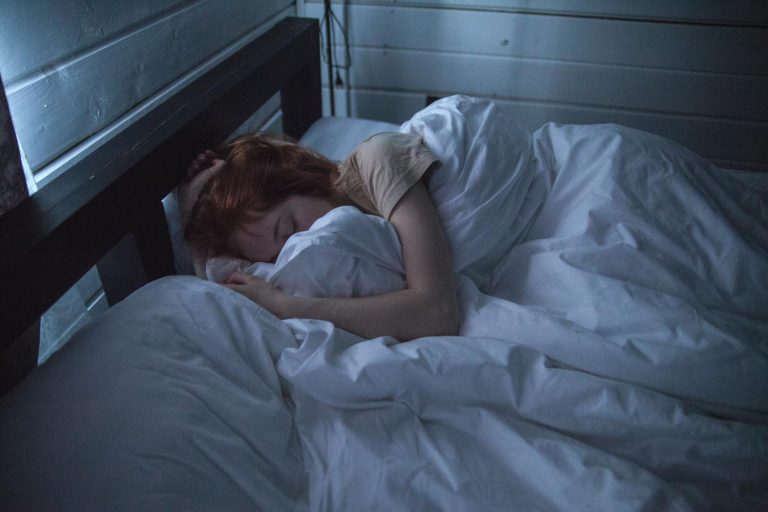
Jul, a 29-year-old woman, recently asked the internet whether she was wrong for confronting her boyfriend about his nightly gaming habit. He played until 4 a.m. most nights, she wrote, while she lay in his bed wearing an eye mask and headphones, trying to block out the glow and noise of his setup. Eventually she stopped sleeping over altogether. “I don’t know if there’s any other solution at this point,” she wrote on Reddit in early 2025.

Her post struck a nerve. Thousands of commenters weighed in, and the thread joined a growing catalog of relationship conflicts in which one partner’s gaming hours collide with the other’s need for sleep, intimacy and basic togetherness. The tension is not new, but the scale of it may be. According to the Entertainment Software Association’s 2024 report, 65 percent of American adults play video games, and the average player logs roughly eight hours a week. For many couples, that time fits comfortably around work and shared life. For others, it becomes the thing the relationship breaks against.
What sleep disruption actually does to a relationship
The most immediate casualty in these stories is rest. Jul’s account is typical: the non-gaming partner lies awake, aware that the person next to them has chosen a screen over shared sleep. That pattern carries measurable consequences. A 2022 study published in the journal Sleep found that couples who go to bed at different times report lower relationship satisfaction and more frequent conflict than those who turn in together. The researchers noted that mismatched sleep schedules reduce opportunities for pillow talk, physical affection and the quiet sense of security that comes from falling asleep beside someone who is actually present.
Therapists who work with couples see this play out in their offices. Dr. Wyatt Fisher, a licensed psychologist in Denver who specializes in marriage counseling, has written that when one partner consistently prioritizes a solo activity over bedtime together, the other partner often interprets it as rejection, even if no rejection is intended. The emotional read is simple: You’d rather be doing that than be with me.
That interpretation is not always wrong. Relationship counselors at Neema Counseling in Texas describe a pattern in which prolonged, unbroken gaming sessions lead to emotional disconnection and marital dissatisfaction, particularly when the non-gaming partner begins to feel like “a background character in their own home.”
When a hobby becomes a dealbreaker
For some people, the issue is not one bad night but a pattern that stretches over months. In a 2023 AskWomen thread about breakups caused by gaming, dozens of women described partners who refused to adjust their schedules, missed important events or treated time together as an afterthought. One commenter summed up the consensus: “A healthy partner can balance both. The trick is knowing what the priorities should be. Spoiler: the relationship should come first.”
Advice columnists hear the same stories. When a woman wrote to Dear Abby in 2024 saying she could not sleep because her boyfriend played video games in bed all night, the response was blunt: if he will not change, “consider reconsidering the relationship.” That phrase captures how a seemingly small habit can become a verdict on the entire partnership.
Relationship educators at Relationships NSW list the loss of emotional connection and the absence of real conversation as warning signs that often surface long before a breakup. When partners stop sharing what is truly on their minds, even a beloved hobby can start to feel like a rival.
Gaslighting, secrecy and the line into toxicity
Not every late-night gamer is manipulative. But some of the most painful accounts come from partners who say that when they raised concerns, they were told they were crazy, controlling or paranoid.
In one Reddit thread from 2020, a woman confronted her boyfriend for staying up late talking with another woman through a game. Commenters overwhelmingly validated her instincts: the secrecy, the defensiveness, the late hours all pointed to a boundary being crossed. In a separate thread, a 24-year-old woman said her boyfriend accused her of “threatening” him when she tried to address his behavior. Commenters called it textbook gaslighting: reframing a reasonable concern as an attack so the person raising it backs down.
Licensed therapists describe this as a recognizable manipulation tactic. When a partner guards their phone, reacts with extreme defensiveness to questions and then accuses the questioner of having “trust issues,” the goal is to shift the burden of proof onto the person who noticed the problem. Over time, the targeted partner begins to doubt their own perceptions, a dynamic clinicians call gaslighting.
Negotiating boundaries without becoming “controlling”
For partners who want to stay and work things out, the challenge is raising the issue without being dismissed. Some gamers push back hard. In one 2024 Reddit debate, a commenter told a worried girlfriend she was “framing it wrong” and being controlling by wanting to limit her boyfriend’s play time, before conceding there was room to discuss how the hobby affected their shared life. That tension, between respecting a partner’s autonomy and protecting your own needs, is exactly where most of these conflicts stall.
Therapists generally recommend starting with feelings, not rules. Rather than “You need to stop gaming at midnight,” try “I feel lonely and disconnected when we don’t go to bed together.” The distinction matters. A 2020 study in the Journal of Social and Personal Relationships found that couples who frame complaints around their own emotional experience, rather than their partner’s behavior, are more likely to reach a resolution both people can live with.
Practical compromises help too. Couples in online forums and advice columns have reported success with strategies like:
- Moving the gaming setup out of the bedroom entirely
- Agreeing on two or three “game nights” per week with a set end time
- Using a headset so the non-gaming partner can sleep undisturbed
- Scheduling regular quality time that is protected from screens
One relationship advisor on JustAnswer put it simply: have an open conversation about how the gaming makes you feel, set specific times for gaming and for togetherness, and remember that you deserve to have your needs met.
When stepping back is an act of self-preservation
Jul’s decision to stop sleeping at her boyfriend’s apartment was not an ultimatum. It was self-preservation. She tried the eye mask. She tried the headphones. She tried talking to him. When none of it worked, she protected her sleep and her sanity by leaving.
That choice resonates because it reflects something therapists consistently advise: you cannot force someone to change a habit they do not see as a problem. What you can control is whether you keep absorbing the cost. According to the Sleep Foundation, chronic sleep deprivation raises the risk of anxiety, depression and weakened immune function. Sacrificing your health for someone else’s hobby is not loyalty. It is erosion.
The broader lesson from these stories, whether they end in compromise or a breakup, is that the gaming itself is rarely the real problem. The real problem is what happens when one partner says, “This is hurting me,” and the other one does not pause the game.
“`
More from Cultivated Comfort:
- 7 Retro Home Features That Builders Should Bring Back
- 7 Antique Finds That Are Surprisingly Valuable Today
- 7 Forgotten Vacation Spots Your Parents Probably Loved
- 6 Boomer China Patterns That Are Selling Like Crazy Online

As a mom of three busy boys, I know how chaotic life can get — but I’ve learned that it’s possible to create a beautiful, cozy home even with kids running around. That’s why I started Cultivated Comfort — to share practical tips, simple systems, and a little encouragement for parents like me who want to make their home feel warm, inviting, and effortlessly stylish. Whether it’s managing toy chaos, streamlining everyday routines, or finding little moments of calm, I’m here to help you simplify your space and create a sense of comfort.
But home is just part of the story. I’m also passionate about seeing the world and creating beautiful meals to share with the people I love. Through Cultivated Comfort, I share my journey of balancing motherhood with building a home that feels rich and peaceful — and finding joy in exploring new places and flavors along the way.