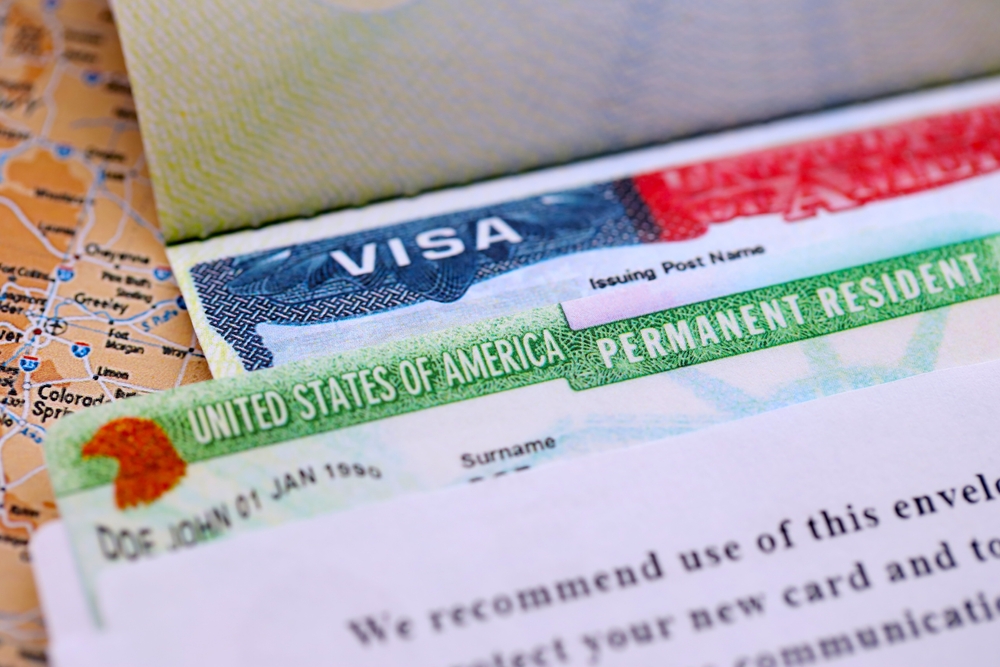
For a long time, living abroad felt like a distant idea that required a complete life reset, something tied to retirement or a major career shift, but that mindset has been quietly changing as more people realize that having a second residency is less about escape and more about giving yourself options in a world that does not always feel predictable. It is no longer just about where you want to travel, but about where you are legally allowed to stay, build routines, and create a sense of stability beyond one country.
@caracelestewest Freedom is possible when you have options and right now securing a second residency is so important 🌍 #expat #digitalnomad #movingabroad #leavingtheusa #worldevents
What has made this shift possible is how structured and accessible these pathways have become, especially through programs like the Greece Digital Nomad Visa, which allow remote workers to live abroad without disconnecting from their careers, and across Europe, more countries are offering similar options designed specifically for people who work online and want to live internationally.
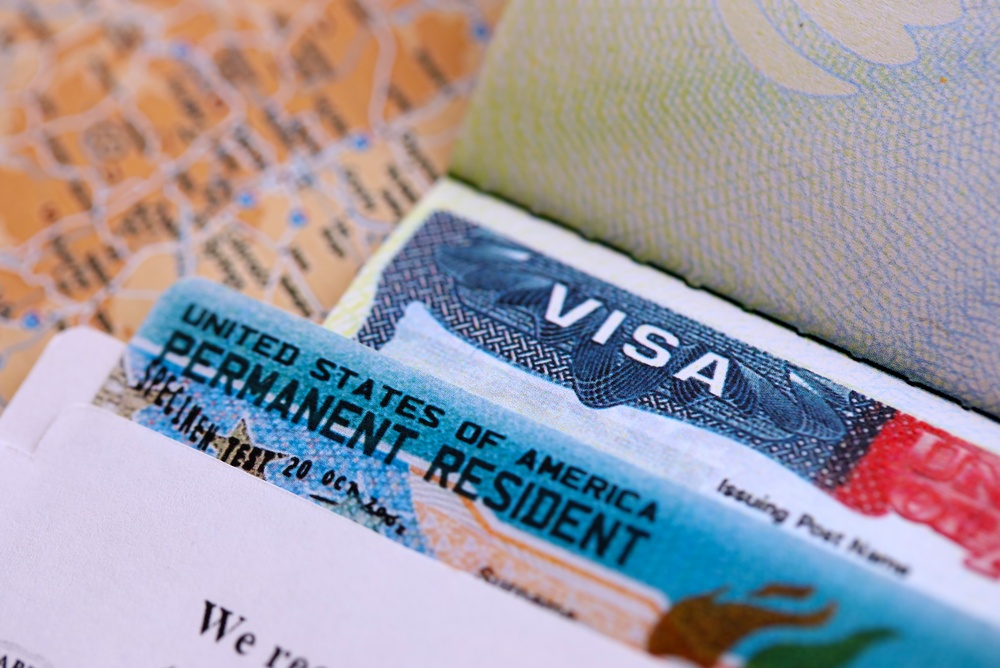
Why Securing a Second Residency Matters More in 2026
The idea of stability no longer revolves around staying in one place indefinitely, because the reality is that global conditions can change quickly, and having a second residency gives you the ability to respond to those changes without feeling trapped by geography. It creates flexibility in a very practical sense, allowing you to legally remain in another country, access housing, healthcare, and services, and build a routine that feels sustainable rather than temporary.
For people who work remotely, this shift is even more relevant, because income is no longer tied to location, which means your living situation does not have to be either. Instead of structuring your life around where you are required to be, you can begin structuring it around where it makes the most sense for you to live.
There is also a deeper benefit that becomes clearer over time, which is the sense of security that comes from knowing you have another place where you are allowed to stay, not just visit, and that distinction is what separates travel from actually building a life abroad.
Where to Find Official Information on Digital Nomad Visas in Europe
One of the most common mistakes people make when exploring this path is relying only on social media or secondhand advice, when in reality, each country has its own official requirements, application process, and legal conditions that need to be understood directly from verified sources.
The most reliable way to start is by checking government immigration websites or embassy pages for the country you are interested in, since digital nomad visas are issued at a national level and not by the European Union as a whole. For example, countries like Italy publish official visa details through their consular services, including requirements and application steps for remote workers.
You can also use trusted, up-to-date overview resources like this European digital nomad visa guide, which breaks down available visas, requirements, and stay durations across multiple countries, helping you compare options before narrowing down your choice.
Across Europe, countries such as Portugal, Spain, Croatia, Estonia, and Greece now offer digital nomad or remote work visas, each with different income thresholds, durations, and benefits, so taking the time to review official criteria is essential before making any decisions.
How Digital Nomad Visas Are Changing the Landscape
Digital nomad visas have created a new middle ground between short-term travel and permanent relocation, allowing people to live abroad legally without committing to long-term immigration right away. This structure has made it easier to test a new environment, build routines, and decide whether it aligns with your lifestyle before making bigger commitments.
Most of these visas follow a similar framework, requiring proof of remote work, a stable monthly income, and health insurance, which helps ensure that applicants can support themselves while living abroad.
What makes this approach so appealing is that it removes much of the uncertainty that used to come with moving abroad, replacing it with a clear process that allows for planning, flexibility, and gradual transition.
Beyond Travel: Building a Life With Options
Securing a second residency changes the way you think about living abroad, because it shifts the experience from temporary travel into something more grounded, where you can establish routines, build connections, and create a lifestyle that reflects your priorities rather than your limitations.
For some people, that might mean choosing a place with a lower cost of living or a slower pace, while for others it might be about access to better infrastructure, climate, or opportunities, but in every case, the key difference is having the ability to choose rather than feeling restricted.
Over time, that flexibility creates a sense of control that goes beyond logistics, influencing how you plan your future and how you respond to uncertainty, because you are no longer dependent on a single location to meet all your needs.
A Thoughtful Next Step
If this is something you are considering, the most useful place to start is by identifying a country that aligns with your lifestyle and then going directly to its official immigration or embassy website to understand the exact requirements, timelines, and application process.
From there, you can begin exploring short-term residency options that allow you to experience living abroad without committing to a permanent move, giving you the space to decide what works best for you.
Securing a second residency is not about making a sudden, dramatic change, but about gradually creating a life that gives you more flexibility, more security, and more freedom in how and where you choose to live.
More from Cultivated Comfort:
- 7 Vintage Home Items From the ’60s That Are Collectors’ Dream Finds
- 7 Vintage Home Goods That Became Collectors’ Gold
- 7 Fast-Food Chains That Changed for the Worse
- 7 Frozen Dinners That Were Better Back in the Day

As a mom of three busy boys, I know how chaotic life can get — but I’ve learned that it’s possible to create a beautiful, cozy home even with kids running around. That’s why I started Cultivated Comfort — to share practical tips, simple systems, and a little encouragement for parents like me who want to make their home feel warm, inviting, and effortlessly stylish. Whether it’s managing toy chaos, streamlining everyday routines, or finding little moments of calm, I’m here to help you simplify your space and create a sense of comfort.
But home is just part of the story. I’m also passionate about seeing the world and creating beautiful meals to share with the people I love. Through Cultivated Comfort, I share my journey of balancing motherhood with building a home that feels rich and peaceful — and finding joy in exploring new places and flavors along the way.