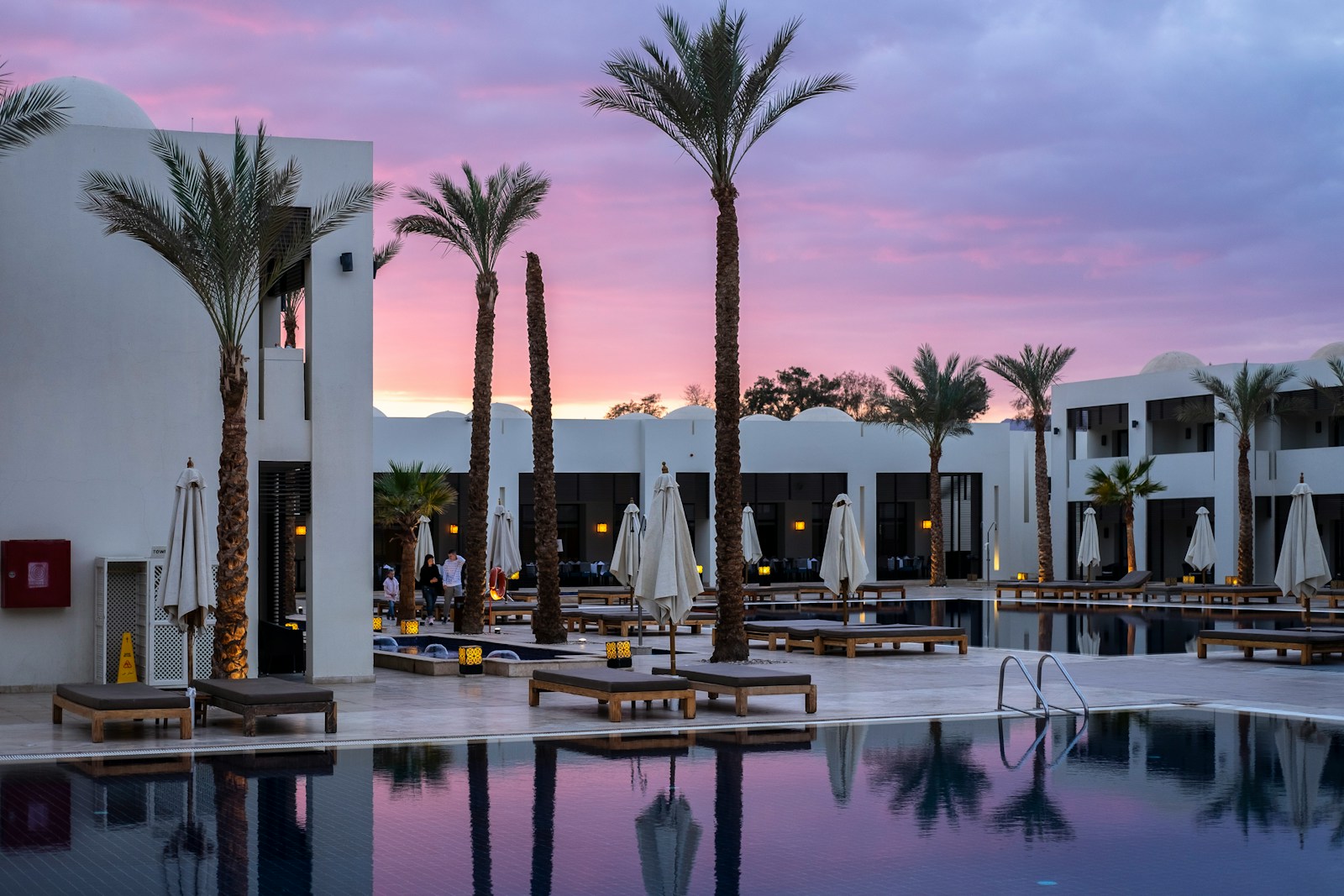
U.S. hotel rates have now risen year-over-year for 18 consecutive weeks, with the week ending August 15 posting a national average daily rate of $163.56, up 3.5% from the same week last year, according to STR and CoStar data published by Hotel Online. Occupancy climbed to 68.0%, a 2.6% year-over-year gain, while revenue per available room jumped 6.2% to $111.29.
The growth streak is broad-based, but it isn’t evenly distributed. Individual markets tied to major conferences and concerts are pulling national averages up far faster than everyday demand alone would explain.
San Diego posted the sharpest gains of any top market tracked in the report, with average daily rate up 12.6% to $249.71 and RevPAR surging 22.8% to $201.10. Hotel Online’s report attributes the spike to the LPL Focus 2026 financial conference combined with concerts from Jason Aldean and Luke Bryan.
Tampa recorded the largest occupancy jump among major markets, up 11.7% to 64.9%, with RevPAR rising 17.5% to $96.55. That market’s demand was driven by the DoDIIS Worldwide Conference, alongside a Mötley Crüe concert.
The 18-week streak marks one of the more sustained stretches of hotel pricing growth CoStar has tracked in recent memory. For travelers, the practical effect is straightforward: rooms in markets hosting major conferences or concerts are commanding a premium well above the national average.
The event-driven nature of this week’s biggest gains is worth understanding for anyone trying to time a trip around lower hotel rates. Unlike a broad seasonal price increase, which tends to affect every property in a region roughly equally, a conference- or concert-driven spike is often concentrated in the specific neighborhoods closest to the venue, with rates in less central parts of the same metro area rising far less. That means travelers with flexible plans can sometimes avoid the sharpest increases simply by staying a short drive from the main event zone rather than in the immediate vicinity.
The broader 18-week trend also reflects steady demand recovery layered on top of an industry still adjusting to disrupted airline capacity following Spirit Airlines’ shutdown earlier this year, which shifted some travelers toward destinations better served by remaining carriers. Hotel operators have generally been able to hold higher rates without a corresponding drop in occupancy, a combination that typically signals genuine demand strength rather than pricing driven by a temporary supply shortage.
For travelers booking fall trips, the takeaway is less about avoiding hotels altogether and more about checking a destination’s event calendar before locking in dates. A city with no major convention or concert scheduled during a given week is far more likely to track close to the national average than one hosting a headline event, even if both cities otherwise have similar base-level demand.
Business and convention travel tends to compound this effect in ways leisure travelers often don’t anticipate. A city can look reasonably priced most weeks of the year and then spike sharply for a single conference week, since convention centers typically book their calendars a year or more in advance and hotels price accordingly once a citywide event is confirmed. Checking a destination’s convention and visitors bureau calendar alongside a concert venue’s schedule before booking is one of the more reliable ways to sidestep an unexpected rate spike, and it typically takes only a few minutes of searching before committing to travel dates, well worth the time given the size of the swings involved. A rate that looks steep on a single night can often be avoided entirely just by shifting a trip a week earlier or later, or by staying a short drive outside the immediate event zone, without giving up much in the way of convenience once the event itself wraps up for the day.
Key Points
- National ADR reached $163.56 for the week ending August 15, up 3.5% year-over-year
- RevPAR rose 6.2% to $111.29, marking an 18th straight week of year-over-year gains
- Occupancy climbed to 68.0%, a 2.6% increase from the same week in 2025
- San Diego led major markets with RevPAR up 22.8%, driven by the LPL Focus 2026 conference and concerts
- Tampa posted the largest occupancy gain among major markets, up 11.7%, tied to a major defense conference and a concert date