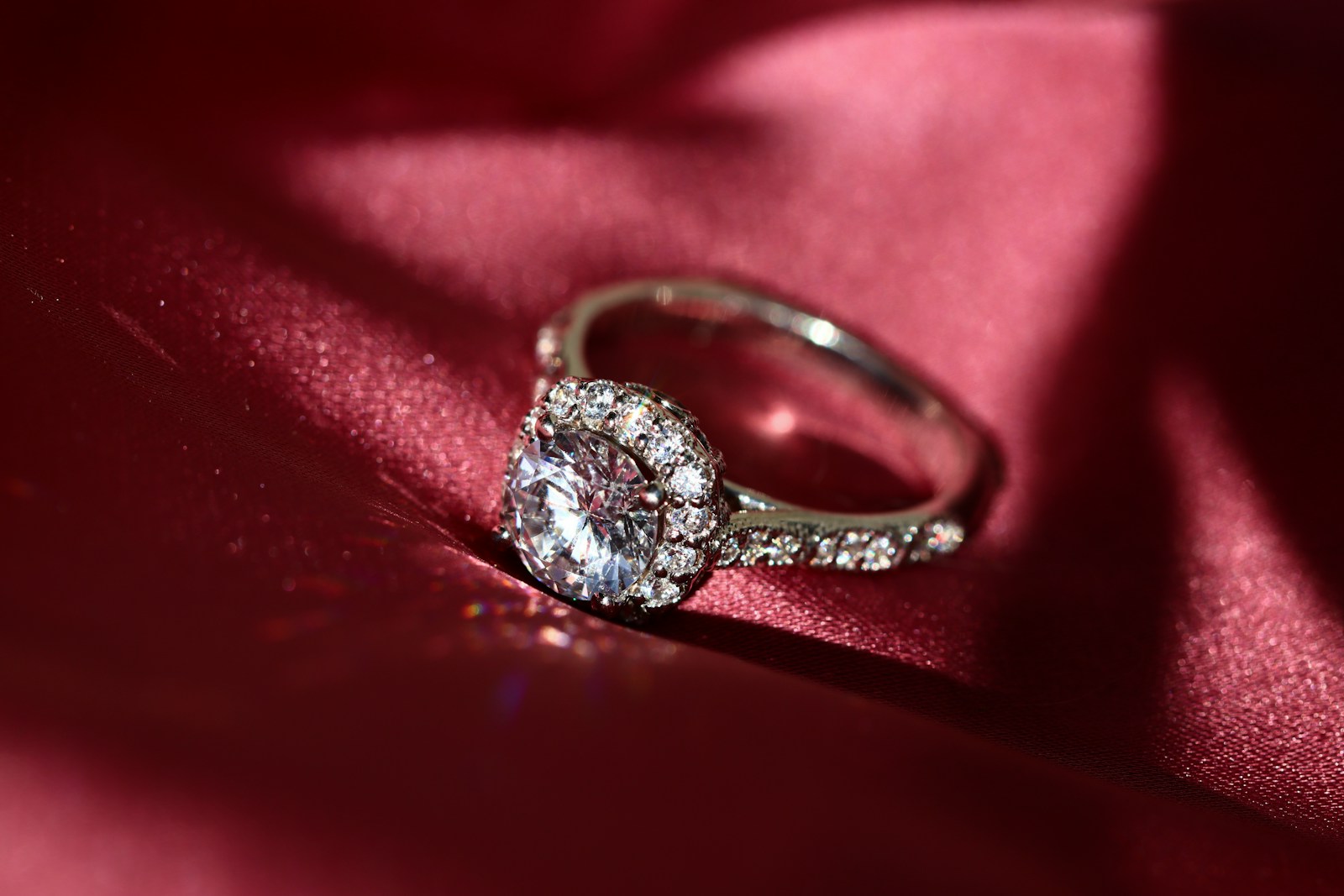
Lab-grown diamond engagement rings outsold natural ones by a wide margin in 2025. Sales climbed 31 percent and units sold rose 30 percent, while natural diamond sales slipped 4 percent and units dropped 2 percent, according to National Jeweler’s 2026 engagement ring trend report. More than half of couples who got engaged chose a lab-grown center stone last year, per Fortune’s reporting on The Knot’s 2025 Real Weddings Study.
The Money Math Changed the Conversation
Average engagement ring spending dropped to $4,600 in 2025, down from $6,000 in 2021, National Jeweler reports. That’s not couples settling for less stone. Lab-grown diamond engagement rings now average 2.0 carats, compared with 1.6 carats for natural stones, according to the same Fortune analysis.
Industry analyst Edahn Golan, whose data National Jeweler cited directly, ties the spending drop to how couples now shop. “Today, couples often shop together, and the pressure to spend is therefore reduced,” Golan said. Seventy-nine percent of couples say they participated in selecting the ring, and a quarter shopped for it together in person.
What’s Actually on Fingers Right Now
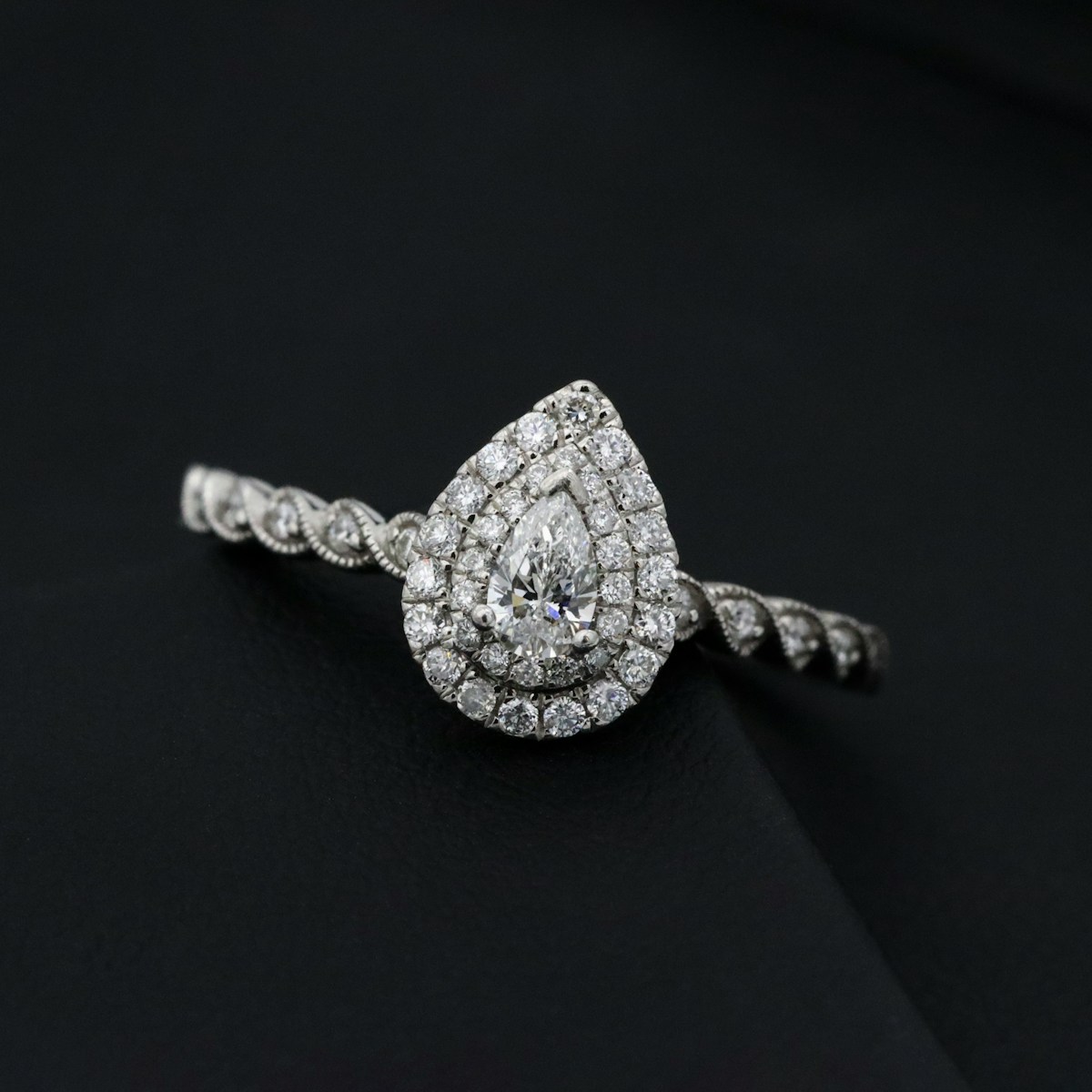
Round diamonds still lead at 26 percent of center stones, with ovals close behind at 25 percent, National Jeweler found. Emerald, pear, marquise, and princess cuts each hold 8 percent, with cushion and radiant cuts at 6 percent apiece. Metals have shifted too: 48 percent of rings sold feature white metal, while yellow gold has more than doubled its share over five years to reach 39 percent.
Setting styles are leaning retro without going full antique. National Jeweler points to thicker bands and bezel- or burnish-set center stones gaining ground. Colored stones still haven’t broken through in a meaningful way: “diamonds remain far and away the most popular choice for engagement ring center stones.”
Gen Z Doesn’t Share the Old Hang-Ups
Only 22 percent of Gen Z buyers and 28 percent of millennials say it matters to them whether their stone is natural, per Fortune’s review. Lab-grown diamond purchases are up 40 percent since 2019. McKinsey, cited in that same Fortune piece, called the lab-grown boom “the biggest challenge facing diamond producers today.”
None of this means natural diamonds are gone from the market — they’re still roughly half of what’s sold. The direction of travel is clear, and nothing in the data suggests it’s reversing soon.
Jewelers who once treated lab-grown stones as a discount alternative are now stocking them as the default option, with natural diamonds increasingly marketed as the premium choice for buyers who specifically want mined stones and are willing to pay for the story behind them. That repositioning has happened fast relative to how slowly jewelry retail typically shifts, and it reflects how quickly consumer price sensitivity moved once lab-grown quality became visually indistinguishable from natural stones to the average buyer.
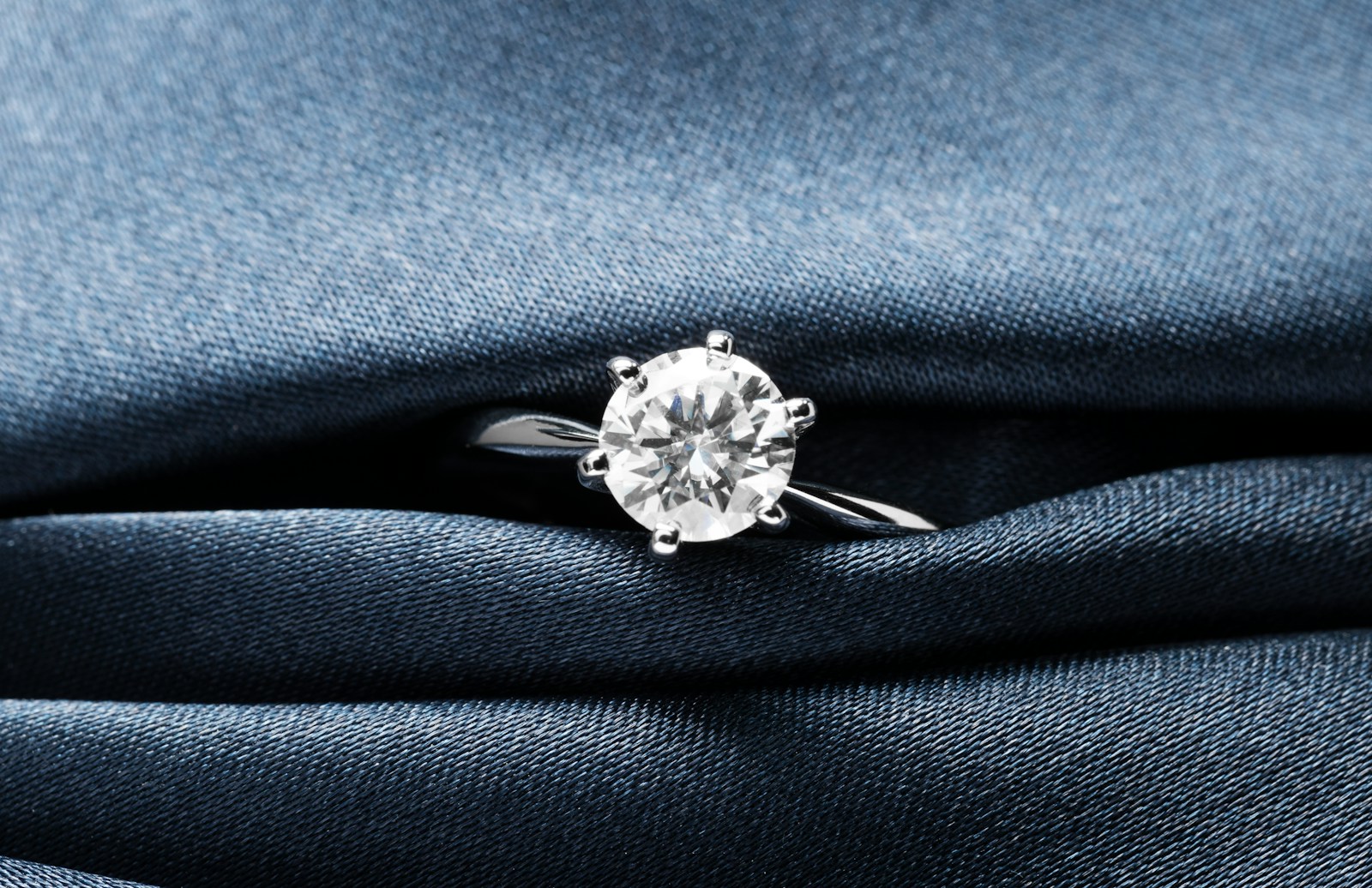
The larger average carat size on lab-grown rings is arguably the more consequential shift for how proposals actually look. A visibly bigger stone at a lower price point changes what counts as a “normal” engagement ring in a way that’s likely to keep pressure on natural diamond pricing even as demand for natural stones stabilizes among the buyers who still prioritize them. Combined with the drop in average total spending, the practical effect for anyone shopping in 2026 is a market that rewards comparison shopping across both stone types rather than defaulting to whichever a jeweler suggests first.
For buyers weighing the two options directly, the practical differences beyond price and size are narrower than most people assume: lab-grown diamonds share the same chemical composition, hardness, and optical properties as mined stones, graded on the same 4Cs scale by the same major gemological labs. The distinction that remains is almost entirely about origin and resale value, where natural diamonds still tend to hold value more predictably on the secondary market — a factor that matters more to some buyers than others depending on whether the ring is viewed as a keepsake or a store of value, rather than an asset primarily meant to appreciate in value over time. For most couples, that framing settles the decision faster than any spec sheet comparison: a ring bought to be worn and loved for decades weighs the math differently than one bought with resale in mind.