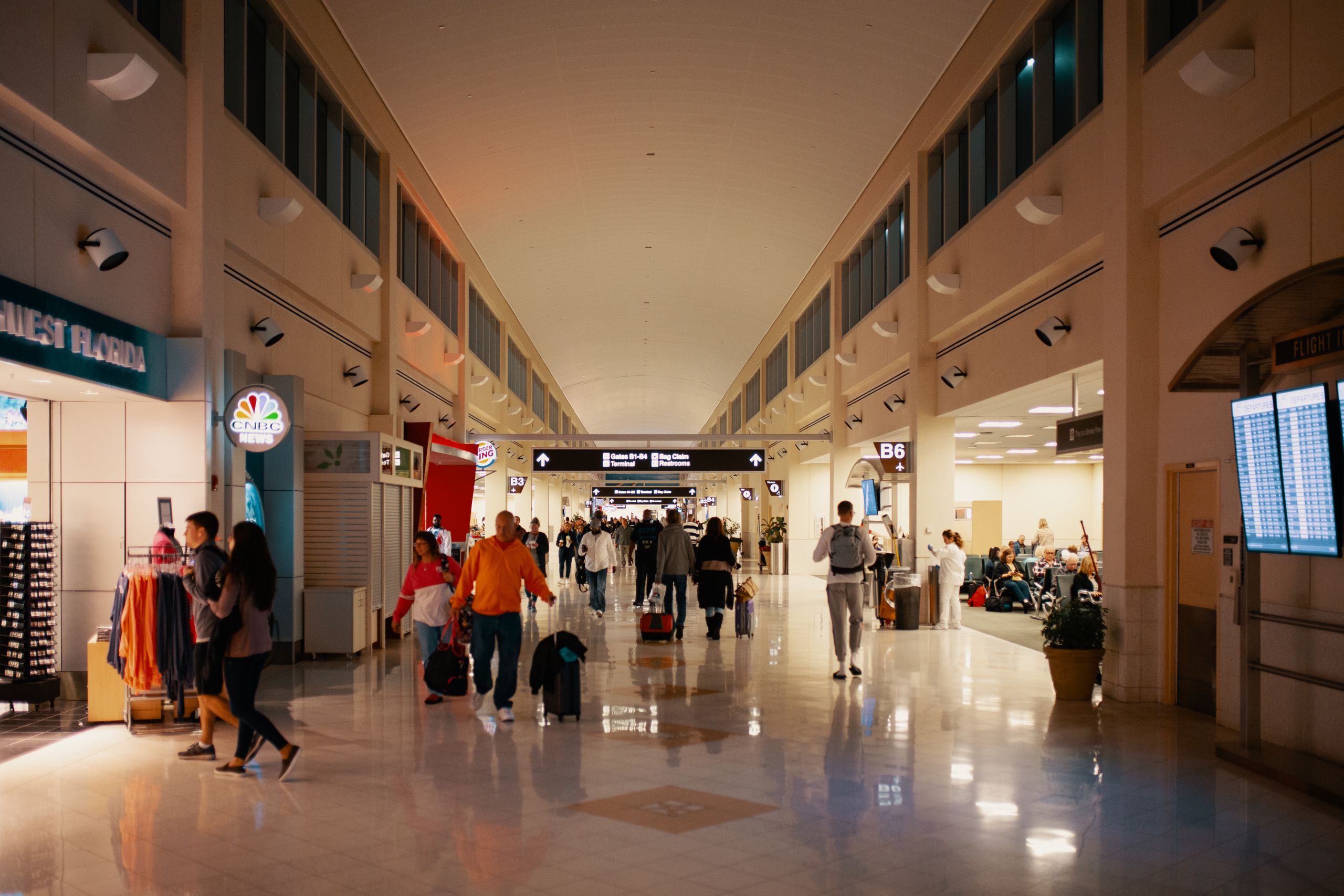
The federal government’s current funding runs out at midnight on Sept. 30, 2026, and Congress has yet to agree on a stopgap to prevent a lapse — a deadline that lands just as fall and holiday air travel begins ramping up, according to Spectrum News.
- The House and Senate have passed differing short-term funding measures that still need to be reconciled before Sept. 30.
- Roughly 50,000 TSA employees are classified as essential and would keep working without pay if funding lapses again, based on the agency’s staffing during the last shutdown.
- A 43-day shutdown last fall led to more than 9,000 delayed or canceled flights and roughly $1 billion a week in lost travel-industry revenue.
- TSA’s own testimony to Congress this year shows how quickly a funding lapse erodes screening staff — and that damage was still being repaired heading into fall.
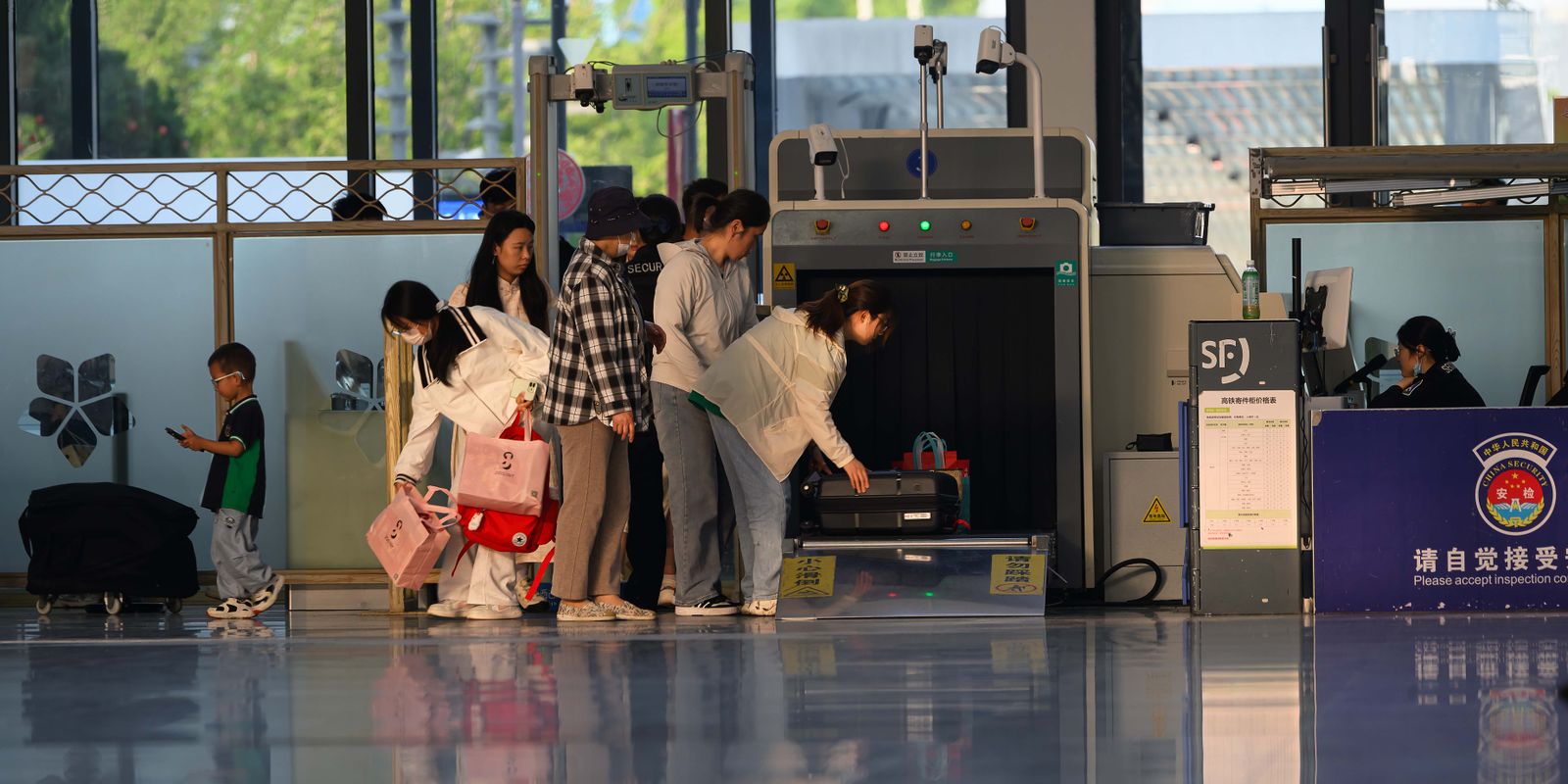
TSA has already lived through two funding lapses in the past year, and its own account of what happened is blunt. In written testimony submitted to the House Homeland Security Committee on March 25, 2026, Ha Nguyen McNeill, the senior official then performing the duties of TSA Administrator, told lawmakers that roughly 95% of the agency’s more than 61,000 employees kept working without pay through the lapse, and that wait times at some airports stretched past four and a half hours.
The attrition numbers in that testimony are the clearest warning sign for fall. McNeill reported that about 1,110 transportation security officers quit during the 43-day shutdown that ran from October into November 2025 — a 25% jump over normal attrition for the same stretch in 2024. When a second funding lapse hit in February 2026, TSA lost roughly 460 more officers by March 24 alone, and call-out rates climbed from a normal 4% to 11% nationwide, with some airports seeing more than 40% to 50% of scheduled officers absent on a given day, according to the testimony.
Axios reporting from the same week corroborated the scale of the exodus, putting resignations at more than 450 agents over roughly six weeks and describing a Sunday absence rate of 11.7%, the highest of that shutdown, with more than a third of staff out at JFK, Atlanta, Houston, and New Orleans on the worst days. A Department of Homeland Security official told Axios the agency was logging the highest wait times in TSA history.
New hires take four to six months to complete screening training, so officers who left during those lapses have not been fully replaced. That leaves TSA thinner than usual heading into a funding deadline that arrives roughly two months before Thanksgiving travel begins in earnest. If Congress misses the Sept. 30 cutoff, travelers flying this fall could be looking at a repeat of the hours-long lines TSA itself has already documented — right as the busiest stretch of the year gets underway.