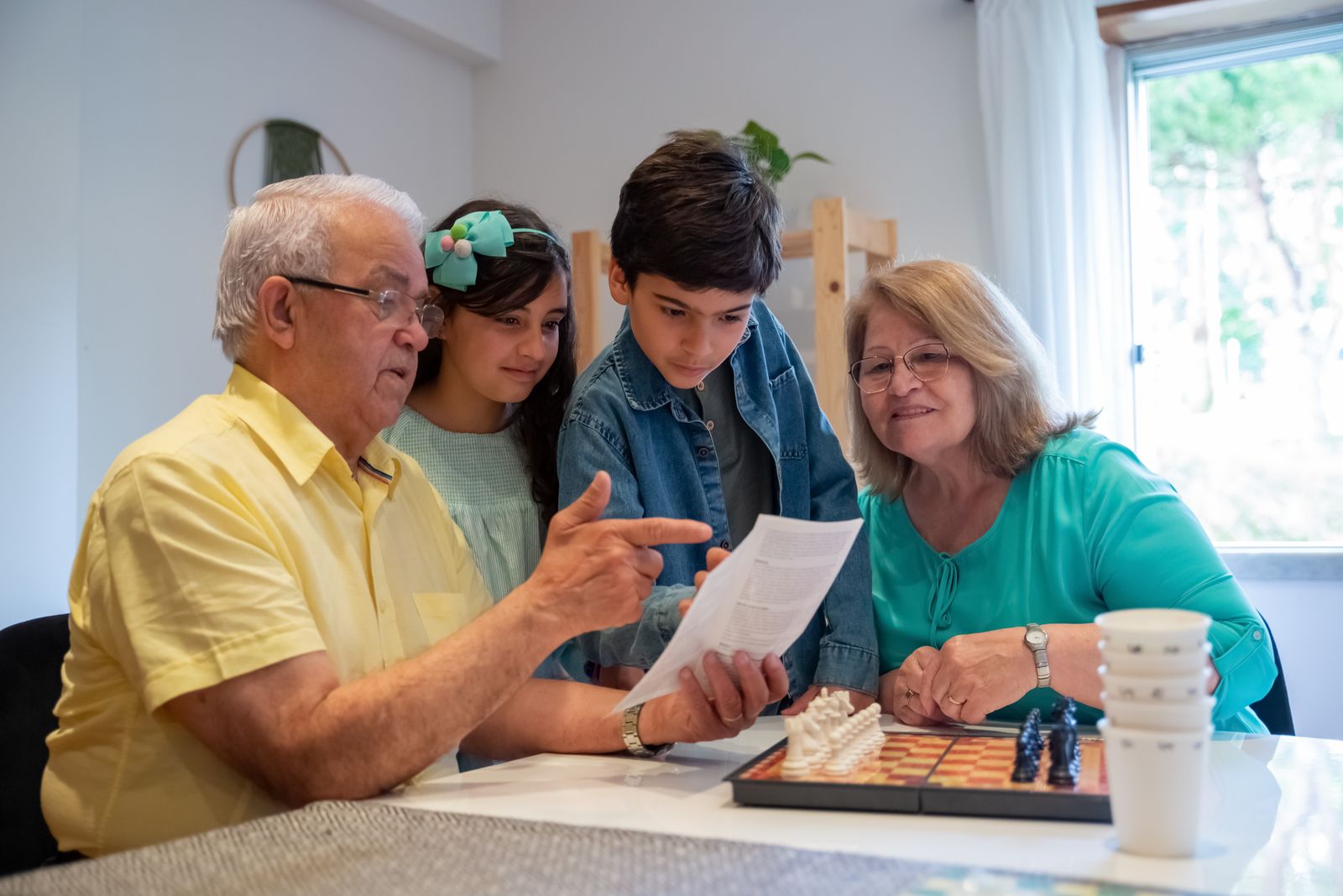
The usual framing around grandparents watching the grandkids centers entirely on the parents getting a break, saving on daycare, or covering a work shift. Peer-reviewed research published in the Journal of Family Issues points the camera in a different direction entirely, examining what regular grandchild care actually does to the marriage between the grandparents themselves. That’s a distinct question from caregiving burden or financial strain, the two angles this topic usually gets reduced to. This is about what happens between two long-married people when a small child becomes a regular, recurring presence in their household routine again, decades after they raised their own kids.

A Shared Project Reappears Late in Marriage
Long marriages tend to lose shared projects over time. Kids move out, careers wind down, the day-to-day logistics that once required constant coordination between partners fade into something quieter and more independent. Regular grandchild care research described in the study reintroduces exactly that kind of shared logistical project, but at a life stage where couples had mostly stopped expecting one. Two people who’ve settled into parallel routines suddenly need to coordinate schedules, split tasks, and problem-solve together again, in real time, around a child who depends on both of them showing up.
It Doesn’t Automatically Read as Positive or Negative
What makes this research more useful than a feel-good anecdote is that it doesn’t frame the effect as simply good or simply stressful. The study’s findings point to real variation in how this shared responsibility lands on a marriage, depending heavily on how evenly the caregiving load gets split between the two grandparents and how well their approaches to parenting a small child actually align with each other now. Two people who raised their own kids together decades ago don’t automatically agree on nap schedules, screen time, or discipline the second time around. When they do align, the shared purpose seems to draw them closer. When they don’t, the same caregiving arrangement becomes a fresh source of friction between two people who thought they’d already worked out how they operate as a team.
The Uneven Split Is Often the Real Variable
A recurring thread in this kind of research is that grandmothers and grandfathers frequently don’t take on equal shares of regular childcare, even when both are present and both are retired or semi-retired. That imbalance doesn’t just affect how tired one partner gets, it affects the relationship between them, echoing dynamics from decades earlier in their marriage when they were raising their own children under similarly unequal divisions of labor. In other words, this isn’t a brand-new dynamic being introduced into these marriages. It’s an old dynamic getting reactivated, sometimes surprising couples with how familiar the friction feels, even though the child in question is a grandchild rather than their own.
Why This Deserves Its Own Conversation
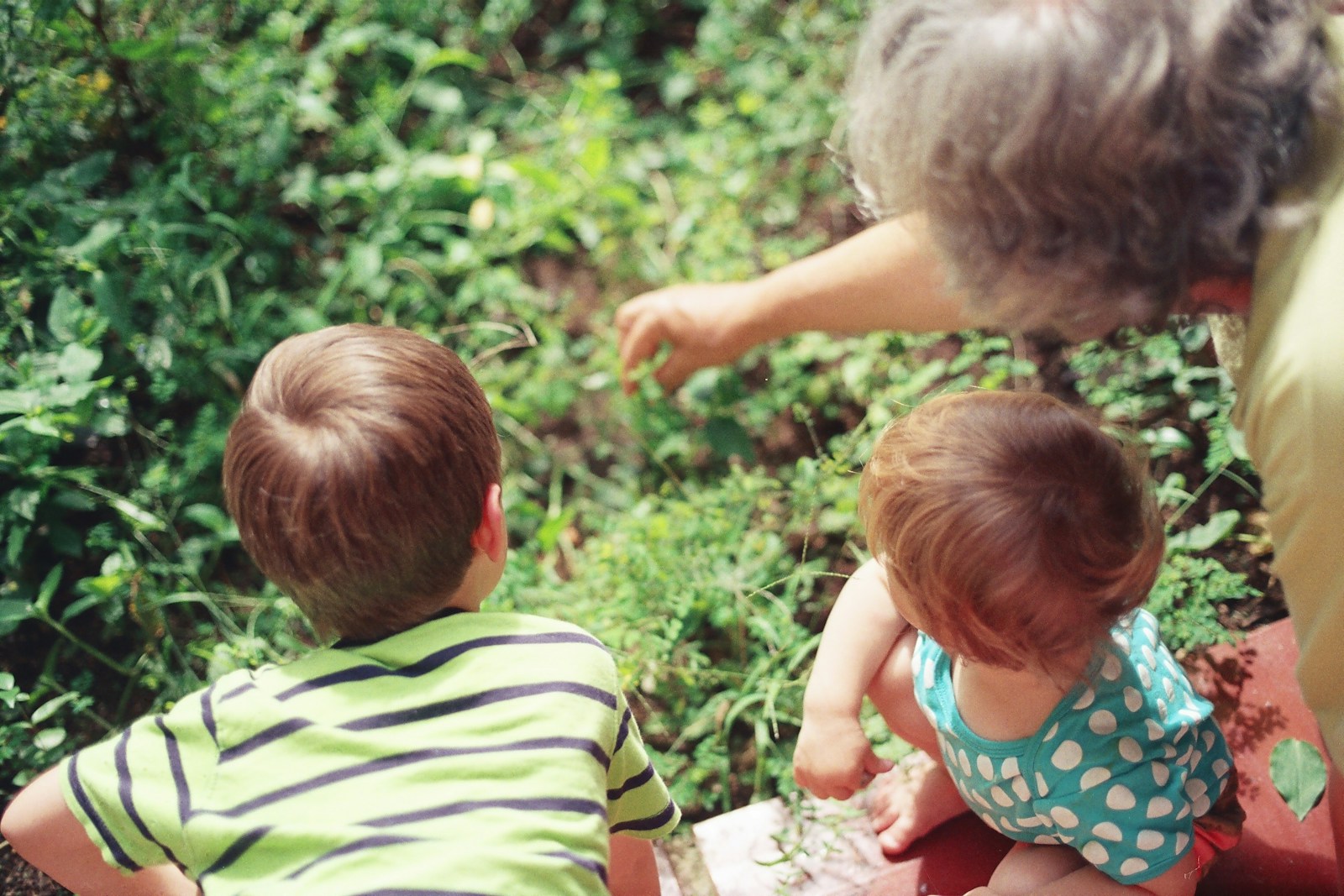
Most coverage of grandparents and childcare treats the grandparents as a support system, a resource the middle generation draws on, full stop. This research asks a more interesting question: what does it do to the two people providing that support, as a couple, not as individuals absorbing separate amounts of stress. That’s a meaningfully different lens. A grandmother’s fatigue and a grandfather’s fatigue are two data points. What happens to their marriage when they’re coordinating that fatigue together, dividing tasks, negotiating disagreements about how the grandchild should be raised, and rediscovering whether they still function well as a team, is a different question entirely, and it’s the one this study actually sets out to answer.
Regular grandchild care isn’t a neutral favor that grandparents perform and then set aside. It’s a relationship-altering arrangement in its own right, one that can either revive a sense of shared purpose between two people who’ve drifted into separate routines, or resurface old imbalances neither of them fully resolved the first time around. Either way, the marriage doing the babysitting is changing right along with the family it’s helping.