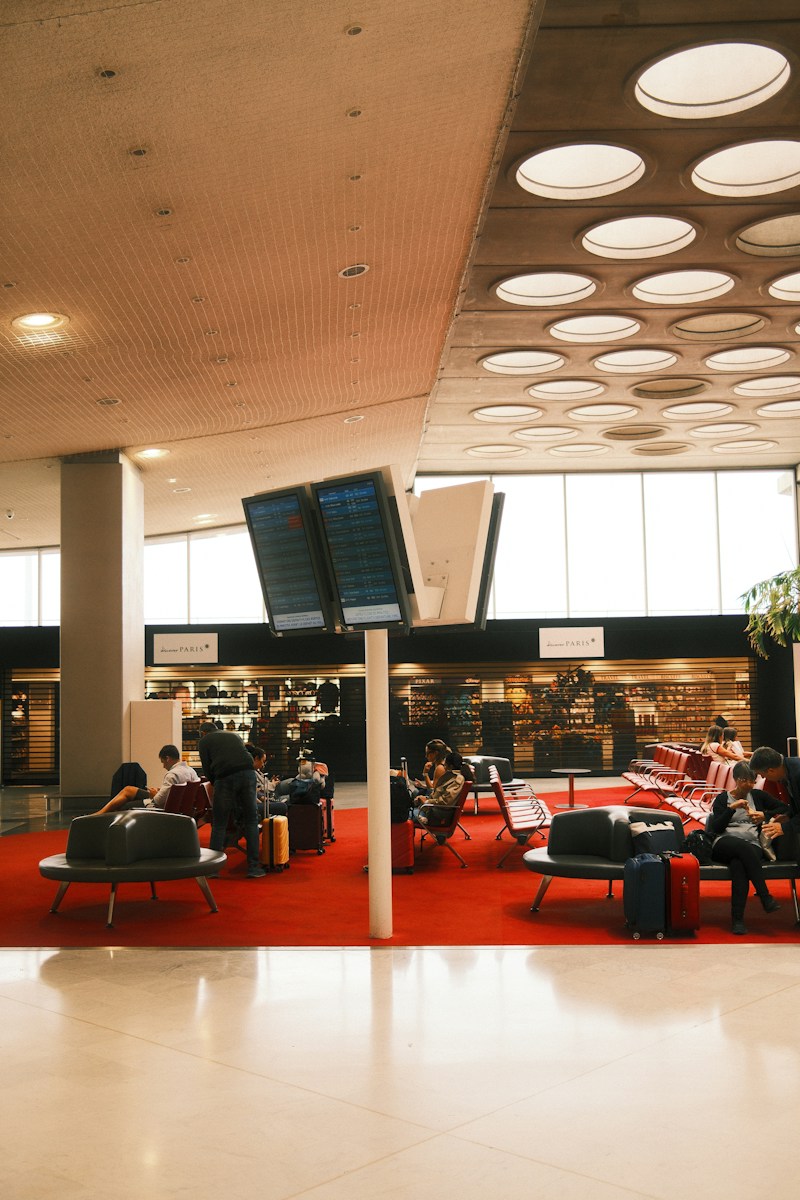
TSA has expanded its Touchless ID facial-verification lanes to roughly 65 U.S. airports as of 2026, up from just 15 a year earlier, rolling the technology out through a steady stream of its own press releases, including announcements for Miami International and dozens of other terminals nationwide. For travelers who’ve spent two decades handing a driver’s license to a TSA officer and waiting for a nod, the shift is a genuine break from the routine: verified against a face instead of a document, and processed in a fraction of the time.
How the New Lane Actually Works
Touchless ID uses facial verification to confirm a traveler’s identity against their TSA PreCheck enrollment and airline boarding profile, replacing the manual document check at the front of the security line. According to reporting from Biometric Update, the expansion covers roughly 50 additional airports on top of the original 15, and screening through the lane takes about 10 seconds per traveler once enrolled. Participation requires an active TSA PreCheck membership, a Known Traveler Number, and an airline profile linked to the program; American, Delta, United, Alaska, and Southwest are currently onboard as partner carriers.
Opt-In, Not Mandatory
TSA has consistently described the program as opt-in, meaning travelers who’d rather hand over a physical ID can still do so at any lane offering the option. That detail has mattered to the rollout’s reception, since facial recognition at airports has drawn privacy criticism in the past. Coverage of the spring 2026 expansion noted the new total represents more than a fourfold increase in Touchless ID airports within a matter of months, one of the fastest technology rollouts in the agency’s recent history.
Why the Pace Picked Up Now
TSA had been testing pieces of biometric verification for years, but 2026 marked the point where the agency moved from scattered pilot programs to a genuine national build-out, adding new airports on what amounts to a near-weekly cadence through the winter and spring. Part of the urgency traces back to preparation for the surge in international arrivals expected around the 2026 FIFA World Cup, which put pressure on the agency to widen any checkpoint technology that could move more travelers through security without adding staff. For an agency whose core checkpoint experience had barely changed since the post-9/11 security buildup, that pace counts as fast.
What Frequent Flyers Should Expect Next
TSA has continued adding airports through individual announcements rather than one blanket rollout, which means coverage still varies significantly by region and travelers should check whether their home airport participates before counting on the shorter line. The agency’s June 2026 partnership with Google Wallet, layering a digital-wallet option on top of the existing Touchless ID infrastructure, suggests the expansion isn’t slowing down. Travelers enrolled in PreCheck at one of the growing list of participating airports are likely to notice the difference the next time they fly: the same checkpoint, a noticeably shorter pause at the front of it.