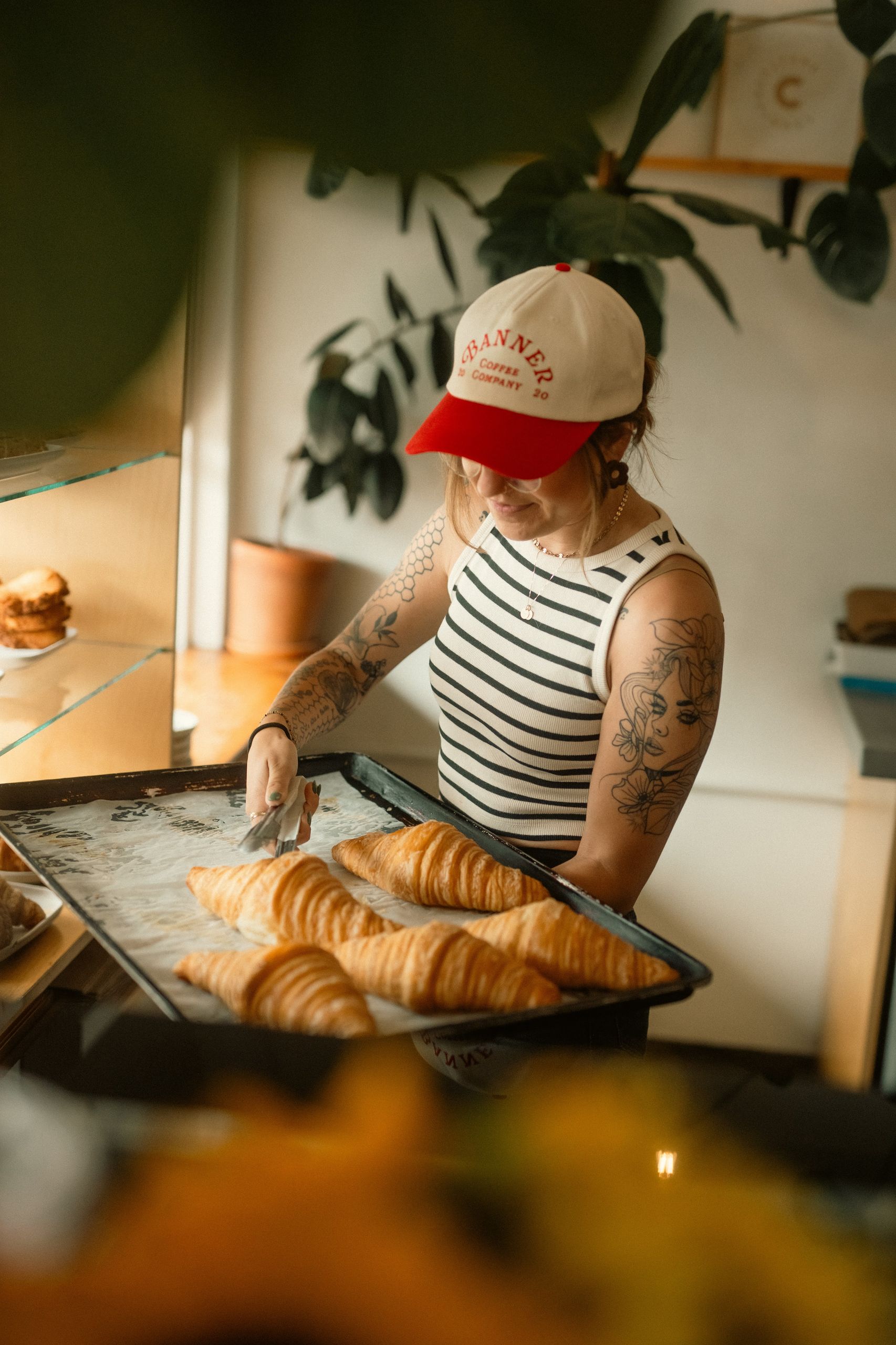
PCC Community Markets watched its baking sales spike as much as 80 percent over 2019 levels at the height of the pandemic, then settled back down once stores and restaurants reopened. Settled back down, but not back to where it started. Years later, the Seattle-based grocery chain still runs about 30 percent above its pre-pandemic baking numbers, according to reporting from Supermarket News. Sourdough starters and banana bread were supposed to be a 2020 phase everyone quietly abandoned once life resumed. Instead, a meaningful chunk of that behavior just stuck.
PCC isn’t an outlier making an isolated claim. City Market in Burlington, Vermont reported roughly 15 percent growth across its baking categories comparing post-pandemic sales to pre-pandemic levels, per the same Supermarket News reporting, even though that retailer’s baking sales have mostly plateaued since 2021 rather than kept climbing. That’s actually the more interesting detail. A one-time spike that fades back to baseline is easy to explain away as pandemic noise. A spike that peaks, cools, and then holds at a new and permanently higher baseline for years afterward is a different phenomenon entirely, and it’s what both of these retailers are describing.
The market leader backs it up
photo credit: unsplash
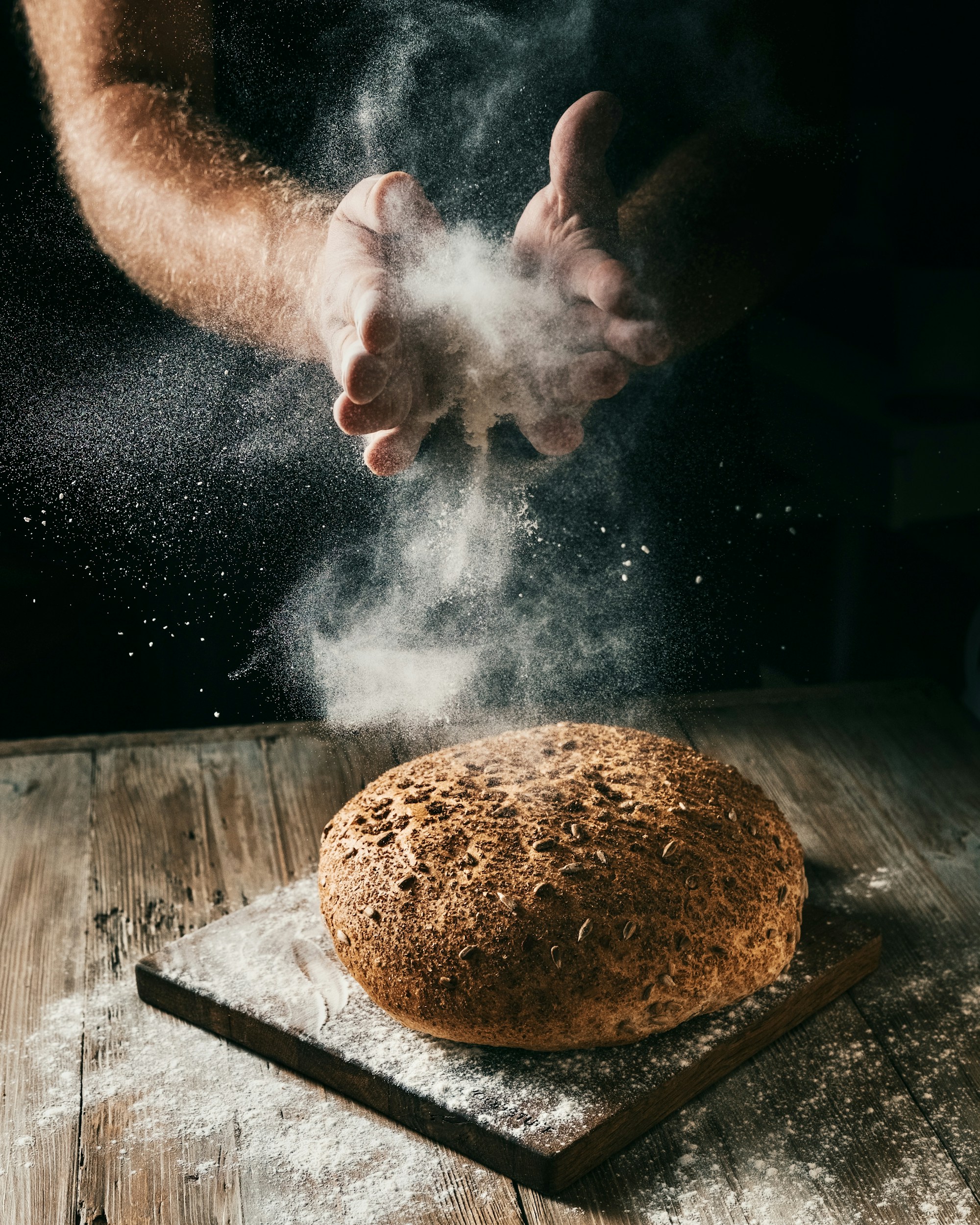
King Arthur Baking Company’s own trajectory tells a similar story. The company’s flour sales jumped roughly 60 percent in 2020 as home sourdough baking exploded practically overnight, a surge Baking Business detailed in its coverage of the company. What’s notable is what happened after the initial rush faded. Rather than sliding back toward its pre-2020 market share, King Arthur has held the top position in the consumer flour category, posting $334 million in unit sales alongside 3 percent growth in the overall category. A company built almost entirely around flour doesn’t sustain category leadership and continued growth years past a supposed one-time fad unless the underlying demand is real and durable.
National production data lines up with the retail-level picture. Separate Baking Business reporting on U.S. milling found that flour production rose 1.2 percent in 2024 compared with the year before, marking five consecutive quarters of growth, while per capita flour disappearance climbed to 128.9 pounds in 2024 from 128.2 pounds the year before. Those aren’t pandemic-era spike numbers; they’re small, steady increases years after the initial home-baking surge, the kind of pattern you’d expect from a habit that became permanent rather than a fad working its way out of the system.
None of this means every household is baking bread from scratch every week the way some did during lockdown. Packaged Facts, the market research firm cited in the Supermarket News reporting, projects more modest average sales gains of about 1.2 percent annually for baking products through 2027, a pace that looks nothing like 2020’s explosion. But modest, steady growth on top of an already-elevated base is exactly the point. The industry isn’t waiting for a return to 2019; it’s planning around a new normal that sits meaningfully above it.
Part of what changed is habit formation. Millions of people who’d never made bread, biscuits, or a pie crust from scratch spent weeks or months doing exactly that in 2020, and enough of them found they actually liked it, or liked what it produced, that the skill and the ingredient stuck around in their kitchens. A sourdough starter that got fed regularly through a lockdown doesn’t necessarily get thrown out once restaurants reopen. Neither does the habit of keeping a five-pound bag of flour in the pantry instead of buying it one recipe at a time.
The specialty side of the category backs this up too. Retailers have noted that even where unit sales of basic flour have cooled somewhat, dollar sales have stayed elevated in part because shoppers have traded up to specialty flours, gluten-free blends, and higher-end baking ingredients rather than dropping the habit altogether. That’s a market maturing around a bigger baseline, not one correcting back toward where it used to sit.
Every projection about pandemic habits fading assumed people would eventually just stop. Grocery baking aisles were supposed to shrink back to their old footprint once life normalized. Instead, years later, the data from individual retailers, the category leader, and national production statistics all point the same direction: home baking didn’t snap back to 2019. It found a new, higher floor and stayed there.