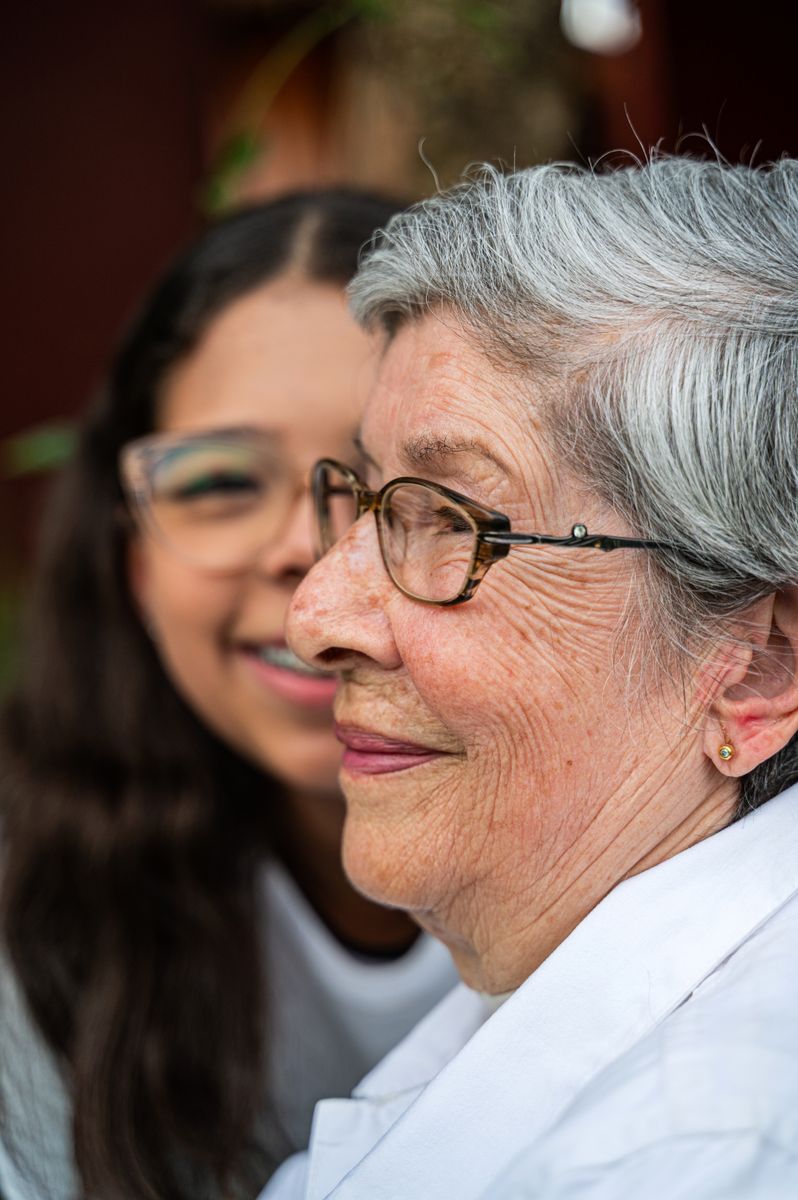
Grandparents tend to absorb a lot without saying much. They’ll let a comment about their driving slide, laugh off a joke about their phone habits, and generally extend more grace to their grown grandchildren than they’d tolerate from almost anyone else. That patience can make it easy to forget that some fairly common remarks, said with zero malice, still land as genuinely diminishing.
None of these phrases come from cruelty. They usually come from love wrapped in a little too much assumption about what age means. The people saying them would mostly be startled to learn how they sounded from the other side of the table, which is exactly why they’re worth a second look.

“You wouldn’t understand, it’s a technology thing”
This one gets said reflexively, often before anyone has actually tried to explain anything, and it quietly writes off a grandparent’s capacity to learn based on their age rather than their actual track record with new things. Plenty of grandparents run their own finances, manage complex medical schedules, and learned entirely new systems more than once across their working lives. Assuming in advance that a topic is beyond them tends to sting more than any actual confusion would, because it’s not really about the technology, it’s about being quietly filed under “can’t keep up.” A quick, patient explanation costs little and avoids writing someone off before they’ve had the chance to try.
“You should really be resting more”
Offered as concern, this line often reads instead as a verdict on what a grandparent is still capable of, delivered by someone who hasn’t actually asked how they feel. Plenty of older adults are more active, more social, and more capable than the comment assumes, and being told to slow down by someone decades younger can feel like having your own judgment about your body overridden by an outside assumption. It’s a very different thing to ask “how are you feeling today?” than to announce a prescription for rest based on nothing but a birth year. The first treats them as the authority on their own condition. The second doesn’t.
Talking about them in the third person while they’re in the room
“Is she doing okay today?” asked to a spouse or aide while grandma sits right there, fully present and capable of answering for herself, is one of the fastest ways to make an older person feel like they’ve already been filed under “no longer the point of contact” for their own life. It happens most often around health concerns, where well-meaning family members address a caregiver instead of the grandparent directly, sometimes without even noticing they’ve done it. The fix is simple and immediate: ask the person the question, look at them while doing it, and let the caregiver add context afterward if needed, rather than routing around the grandparent entirely.
“Are you sure you should be driving/doing that?”
Genuine safety concerns are worth raising, but this phrase, asked reflexively and often in front of other family members, tends to function less like a safety check and more like a public reminder that someone’s competence is now up for group discussion. Grandparents who are still perfectly capable of the activity in question often experience this question as an accusation dressed up as concern, especially when it’s repeated at every visit regardless of any actual change in their ability. A specific, private conversation about a specific concern lands very differently than a recurring, semi-public challenge to their independence that never quite resolves into an actual decision either way.
Correcting their stories or memories in front of others
“That’s not how it happened, Grandpa” delivered mid-story, especially in front of a group, turns a shared moment of storytelling into a small public correction, and it rarely matters much whether the detail was actually wrong. Grandparents telling family stories are usually offering something more valuable than factual precision: a thread of continuity and identity that the family shares. Interrupting to fact-check the year or the location tends to embarrass them and derail the story’s actual purpose, which was connection, not accuracy. Letting the small details go, and saving genuine corrections for a quieter one-on-one moment, preserves both the story and the storyteller’s dignity.
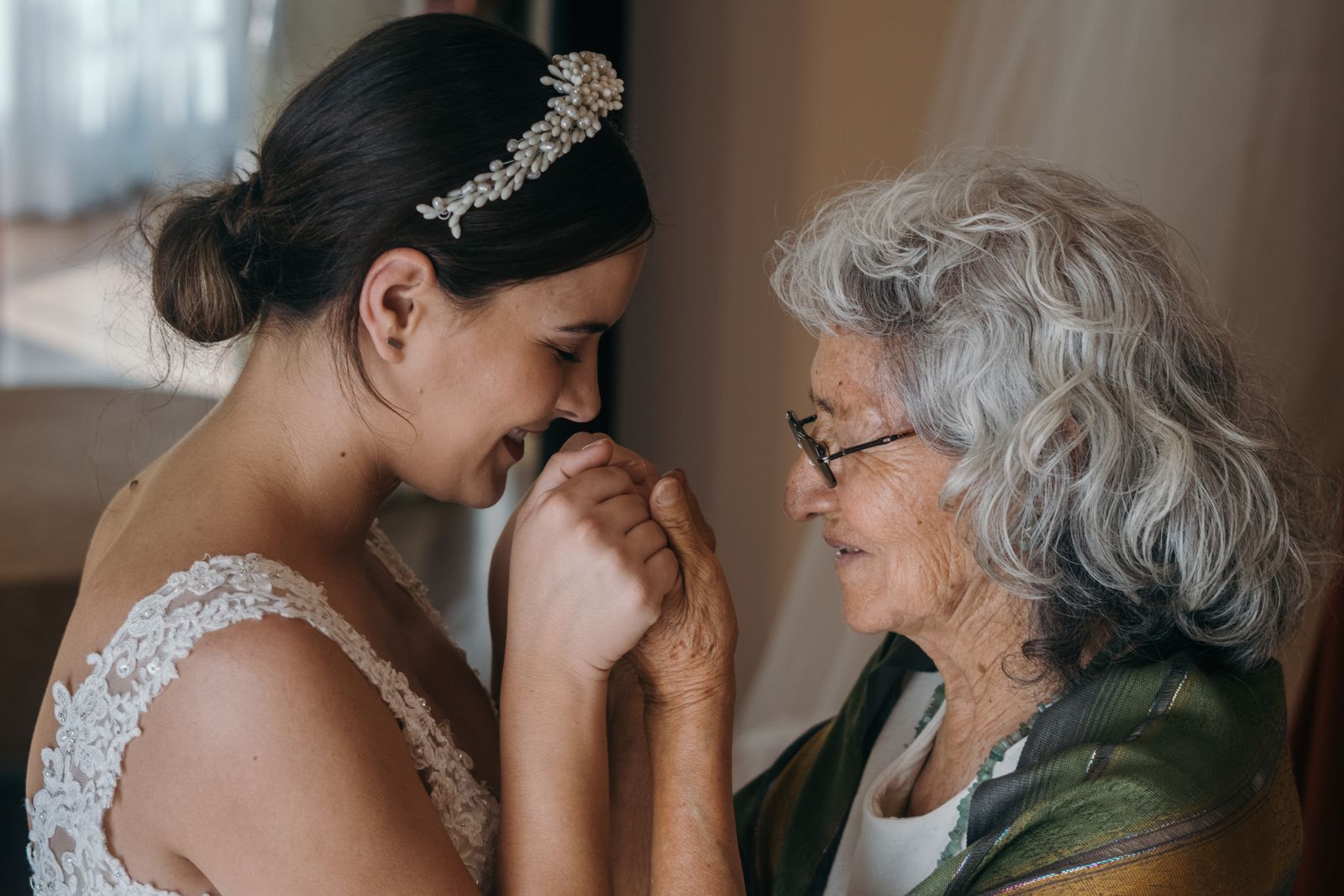
“You’ve told me this one already”
Repetition is common with age, and it can genuinely be tiresome to hear the same story for the fifth time. But announcing the repetition out loud, especially in a group setting, tends to embarrass a grandparent far more than it saves anyone a few minutes of retelling, and it can make them anxious about speaking up at all going forward, worried about repeating themselves again. Most people would rather sit through a familiar story once more than watch someone they love go quiet out of fear of being called out for it. A gentle redirect, or simply letting the story play out warmly, tends to cost less than the correction does.

As a mom of three busy boys, I know how chaotic life can get — but I’ve learned that it’s possible to create a beautiful, cozy home even with kids running around. That’s why I started Cultivated Comfort — to share practical tips, simple systems, and a little encouragement for parents like me who want to make their home feel warm, inviting, and effortlessly stylish. Whether it’s managing toy chaos, streamlining everyday routines, or finding little moments of calm, I’m here to help you simplify your space and create a sense of comfort.
But home is just part of the story. I’m also passionate about seeing the world and creating beautiful meals to share with the people I love. Through Cultivated Comfort, I share my journey of balancing motherhood with building a home that feels rich and peaceful — and finding joy in exploring new places and flavors along the way.