

Every shopper has a mental list of foods they used to toss into the cart without thinking twice, back before checking a price tag felt like a small act of financial planning. Somewhere along the way, a handful of everyday items quietly crossed a threshold, and instead of grumbling and buying it anyway, more and more people just started leaving it on the shelf.
It’s not that these foods stopped tasting good. It’s that the math stopped making sense next to a cheaper substitute sitting one shelf over, and once that mental switch flips, it’s hard to flip it back. Here are nine items shoppers frequently mention cutting out entirely.
Name-Brand Cereal
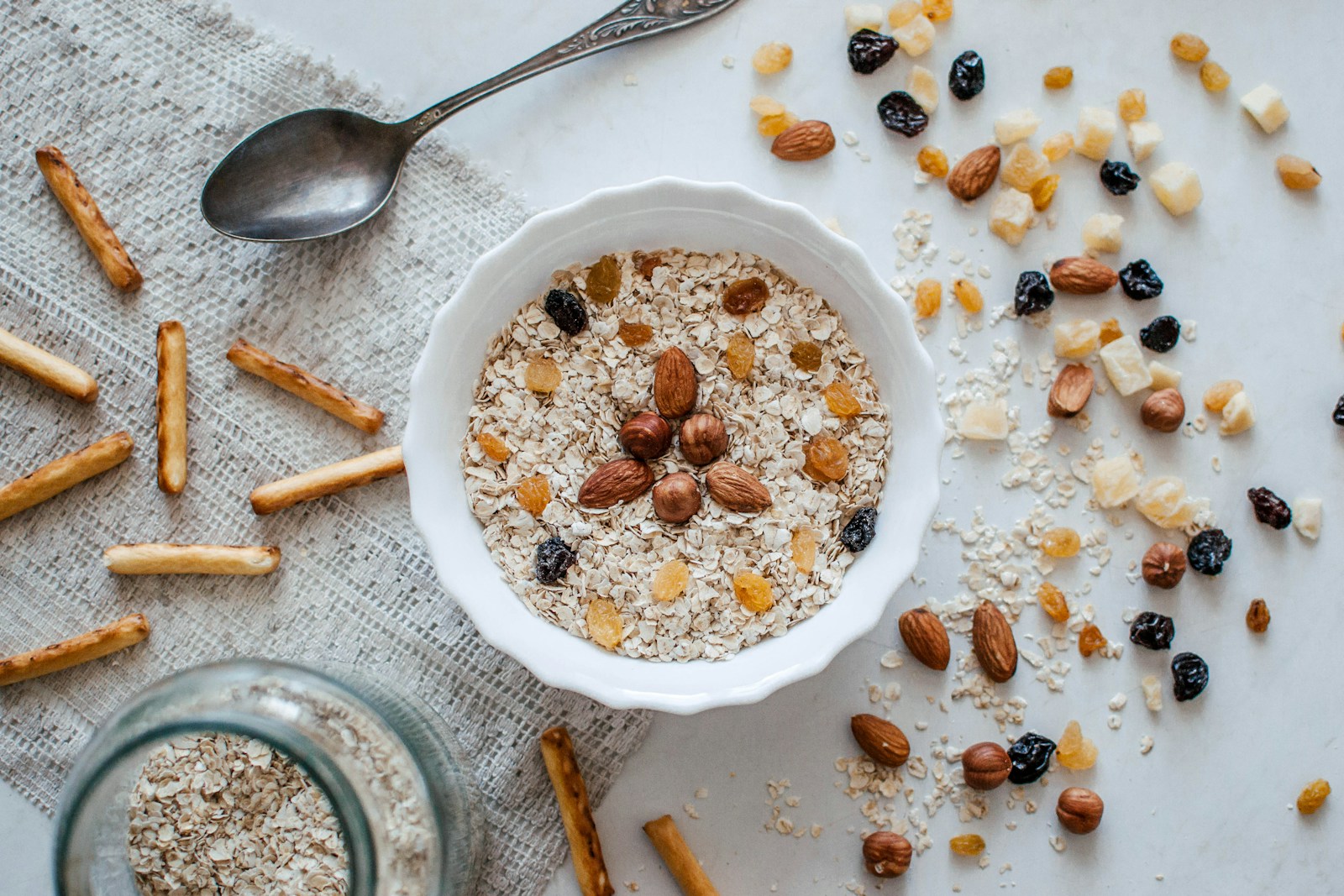
A box of name-brand cereal creeping toward six or seven dollars has pushed a lot of households toward store-brand versions that taste nearly identical, or away from boxed cereal altogether in favor of oatmeal, eggs, or toast. Cereal has always carried a certain markup relative to its actual ingredient cost, mostly paying for packaging, marketing, and brand recognition, but that markup becomes much harder to swallow once the price climbs high enough that a single box costs more than a loaf of bread and a dozen eggs combined. Parents in particular have noted that kids often can’t tell the difference between the name brand and the store equivalent anyway, which makes the extra cost feel like pure waste rather than a meaningful upgrade in quality.
Fresh Berries
Raspberries, blackberries, and other delicate berries have always carried a premium because they’re labor-intensive to pick and don’t hold up well in shipping, but the price per container has climbed to a point where a lot of shoppers now treat them as a rare treat rather than a regular fruit bowl staple. Frozen berries, which cost a fraction as much and work just as well in smoothies or baking, have become the practical substitute for households that used to buy fresh berries weekly. The frustration is compounded by how quickly fresh berries spoil, so shoppers who do splurge on them often feel doubly burned when half the container goes moldy within a couple of days of purchase.
Specialty Cheese
Imported or artisanal cheeses that once felt like an affordable little luxury have climbed enough in price that a lot of shoppers have downgraded to basic cheddar, mozzarella, or whatever block cheese is on sale that week. The gap between a wedge of aged gouda or a wheel of brie and a standard block of cheddar has widened to the point where the specialty option genuinely needs to be for a special occasion to justify itself, rather than a casual Tuesday-night cheese board. Some shoppers have found a middle ground by buying specialty cheese only when it’s marked down or by making it the centerpiece of a planned gathering rather than an everyday snack.
Bottled Salad Dressing
A bottle of name-brand salad dressing running five or six dollars for what amounts mostly to oil, vinegar, and seasoning has convinced a growing number of home cooks that making their own from pantry staples is both cheaper and often better tasting. This is one of the easier switches for people to make once they notice the price, since a basic vinaigrette takes only a few minutes and ingredients most kitchens already have on hand. The shift away from bottled dressing has become common enough that it’s turned into something of a badge of honor among budget-conscious cooks, who see it as one of the more obvious places where brand markup outpaces actual ingredient cost.
Pre-Cut Fruit and Vegetables
Pre-cut produce has always charged a convenience premium, but that premium has grown steep enough that a lot of shoppers have gone back to buying whole fruits and vegetables and cutting them at home, even when it means an extra few minutes of prep time. A container of pre-sliced melon or pre-cut bell peppers can cost two or three times what the same amount of whole produce would run, and once shoppers actually do that math side by side in the store, the convenience often stops feeling worth it. The exception tends to be for people who are genuinely pressed for time on weeknights, but even then, many have started batch-prepping their own produce once a week instead.
Bottled Water by the Case
Cases of bottled water have gotten expensive enough, especially name-brand options, that a lot of households have switched to a reusable filter pitcher or an under-sink filtration system instead, treating the upfront cost as a worthwhile trade against a recurring grocery bill line item. Beyond the price itself, growing awareness of plastic waste has made some shoppers rethink the habit entirely, deciding that hauling cases of water home on a weekly basis was never really necessary once a decent filter was in place. It’s one of the more permanent switches people report making, since once the filter pitcher is purchased, there’s little incentive to go back.
Deli Meat
Sliced deli meat at the counter, particularly higher-end options like prosciutto or specialty turkey, has climbed enough per pound that a lot of shoppers have shifted toward buying whole cuts and slicing them at home, or switching to cheaper protein options for lunches entirely. The price per pound on deli meat can run surprisingly high relative to a whole chicken breast or a pork tenderloin that yields far more servings once cooked and portioned out. Some households have moved toward batch-cooking proteins on the weekend specifically to avoid the deli counter altogether, finding it both cheaper and, in their view, fresher than pre-sliced meat that’s been sitting under glass.
Snack-Size Packaged Chips
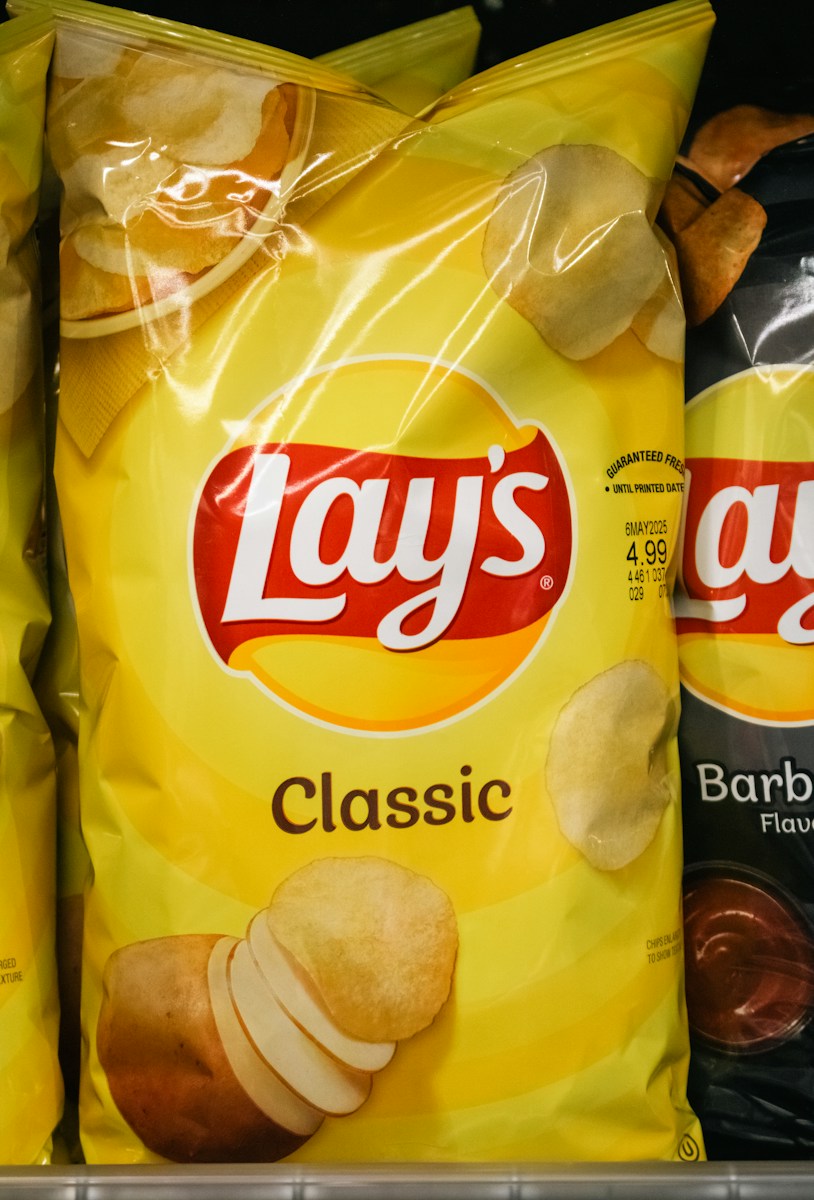
Multi-pack boxes of snack-size chip bags have become a frequent target of shopper frustration, since the price per ounce works out dramatically higher than buying one large bag and portioning it out into reusable containers at home. The convenience of grab-and-go single servings was always going to carry a premium, but as that premium has widened, more households have started doing their own portioning, especially for school lunches, as a straightforward way to cut costs without changing what they’re actually eating. It’s become one of the more commonly cited examples of packaging costing more than the product itself.
Name-Brand Condiments
Ketchup, mustard, and mayonnaise from well-known brands have all seen price increases that have pushed budget-conscious shoppers toward store-brand versions, which in blind taste tests are frequently indistinguishable from their pricier counterparts. Condiments are one of the categories where brand loyalty has traditionally run strong, making this a harder habit to break for a lot of people, but as the price gap has widened, more shoppers report finally giving the store brand a try and being surprised there wasn’t much of a difference at all. Once that experiment succeeds once, most don’t go back to paying the premium.

As a mom of three busy boys, I know how chaotic life can get — but I’ve learned that it’s possible to create a beautiful, cozy home even with kids running around. That’s why I started Cultivated Comfort — to share practical tips, simple systems, and a little encouragement for parents like me who want to make their home feel warm, inviting, and effortlessly stylish. Whether it’s managing toy chaos, streamlining everyday routines, or finding little moments of calm, I’m here to help you simplify your space and create a sense of comfort.
But home is just part of the story. I’m also passionate about seeing the world and creating beautiful meals to share with the people I love. Through Cultivated Comfort, I share my journey of balancing motherhood with building a home that feels rich and peaceful — and finding joy in exploring new places and flavors along the way.