


Nostalgia does strange things to a person’s palate. It’s tempting to write off every complaint about a food “not tasting like it used to” as rose-tinted memory, and sometimes that’s exactly what it is. But every so often, the complaint has real substance behind it: a recipe reformulated to cut costs, a supply chain that swapped a real ingredient for a cheaper stand-in, or a chain that scaled up and lost the thing that made it special in the process.
Separating genuine decline from simple nostalgia isn’t always easy, but plenty of foods keep coming up again and again in this conversation, which suggests there’s more than pure sentimentality at work. Here are eleven that longtime fans say just aren’t what they remember.
Fast Food French Fries
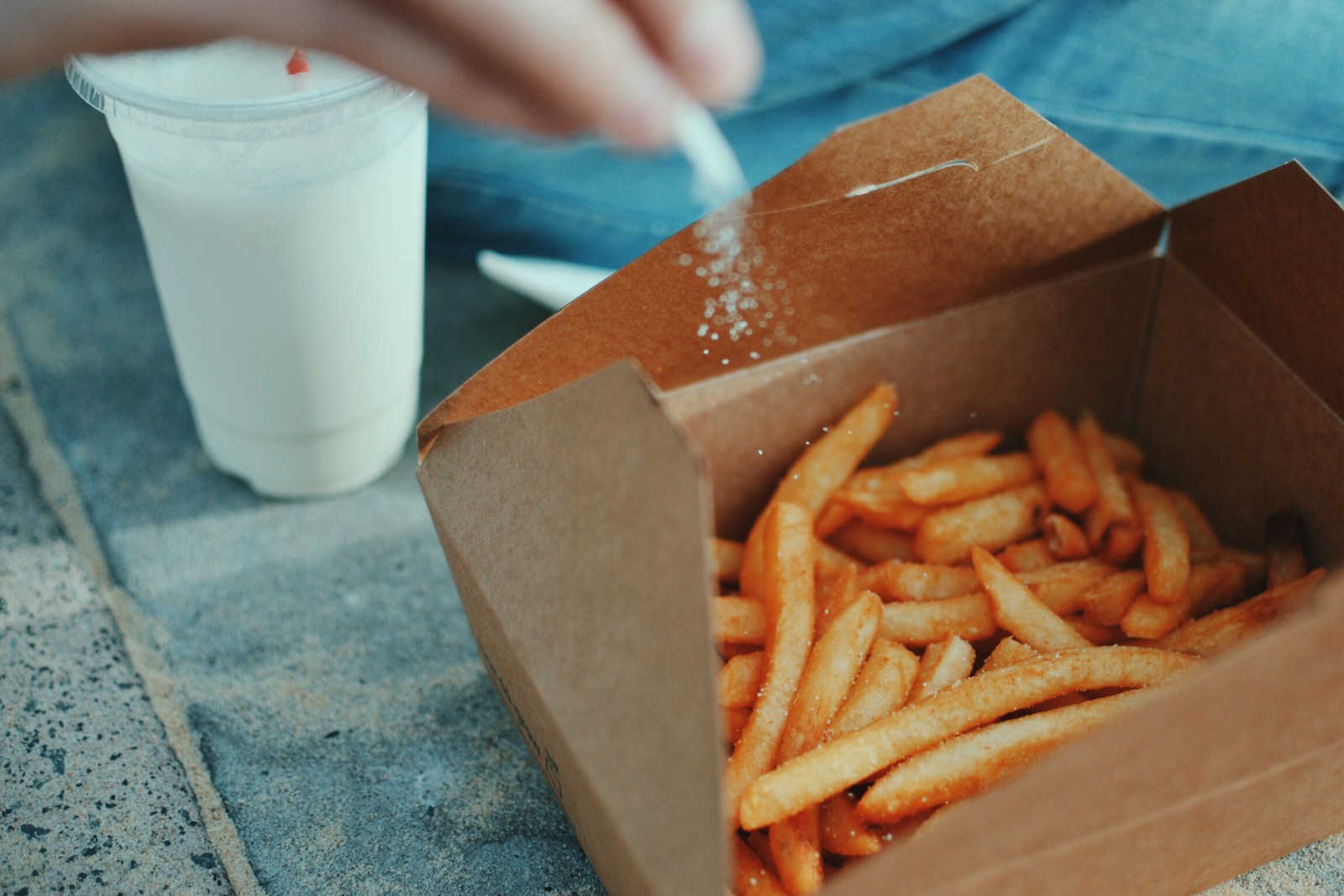
Longtime fans of fast food fries across multiple chains have long noted that the fries used to be crispier, saltier, and generally more satisfying than what shows up in the bag today. Some of that comes down to reformulated cooking oils, as many chains moved away from beef tallow and toward vegetable oil blends decades ago for health and cost reasons, changing the flavor profile in the process. Portion consistency has also become more of a mixed bag, with some orders arriving generously filled and others noticeably skimpy, which makes the whole experience feel more like a gamble than the reliable treat it once was. For a food that’s supposed to be simple, it’s remarkable how much variation people report from one visit to the next.
Chocolate Chip Cookies from the Grocery Bakery
Bakery-section cookies at many grocery stores have shifted over the years toward mass-produced dough that prioritizes shelf stability and consistent appearance over the buttery, slightly uneven texture that home bakers and small bakeries still manage to deliver. Shoppers who grew up on scratch-made bakery cookies often say the grocery version has become sweeter but somehow less flavorful, with a texture that’s more uniformly soft rather than offering the contrast of a crisp edge and a chewy center. Some of this comes down to preservatives added to extend shelf life, which can subtly change texture over time even when the recipe on paper looks similar. The cookies still sell well, but longtime fans of the format tend to agree that something in the character got smoothed out along the way, even if it’s a little sweeter now.
Movie Theater Popcorn
Popcorn at the movies has long been popped in a coconut-oil-and-butter-flavoring combination that gives it a distinct richness, but many longtime moviegoers say the flavoring has grown more artificial-tasting over the years as chains have looked for ways to cut costs on one of their highest-margin concession items. The kernels themselves have also become inconsistent from one theater to the next, with some locations popping fresh batches throughout a shift and others letting popcorn sit under a warming light for hours before it’s scooped into a bag. For a snack that’s supposed to be a simple pleasure tied to the moviegoing experience, the inconsistency has left a lot of people bringing their own snacks in instead.
Canned Tuna
Canned tuna has become a target of complaints from people who grew up on it as a lunch staple, with many noting that the fish itself seems drier and less flavorful than it used to be, sometimes attributed to changes in processing methods and the specific cuts of fish used as sourcing has shifted globally. Sustainability concerns around tuna fishing have also led some brands to change their sourcing practices, which can affect consistency from can to can in ways that weren’t as noticeable decades ago. Add to that a shrinking can size in many cases, and a lot of longtime tuna salad sandwich fans say the whole experience just doesn’t deliver the way it once did for the same shelf space and price point.
Fast Food Burgers
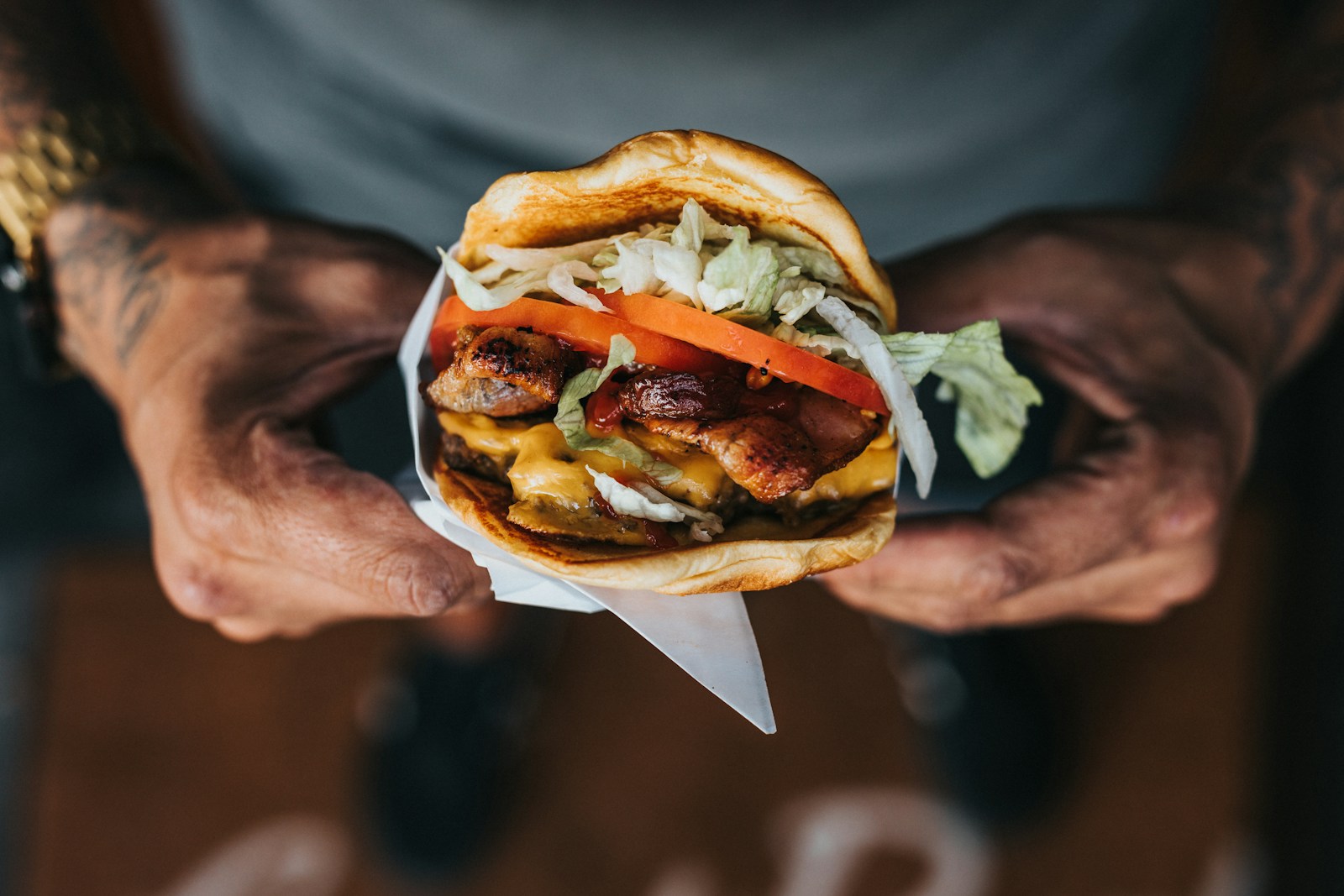
Burgers from major fast food chains draw some of the most consistent nostalgia complaints in the entire food world, with longtime customers pointing to smaller patties, less generous toppings, and buns that seem to have shrunk relative to what they remember from childhood. Some of this is genuinely documented, as chains have adjusted portion sizes and ingredient specifications over the decades in response to beef costs and changing consumer habits. The sauce-to-topping ratio also gets frequently cited as having shifted, with some diners feeling like a burger that used to taste balanced now leans harder on condiments to make up for a smaller amount of meat and cheese underneath.
Boxed Mac and Cheese
The classic powdered-cheese boxed mac and cheese that so many people grew up on has seen its recipe adjusted more than once over the years, including reformulations that removed certain artificial dyes and preservatives in response to consumer and advocacy pressure. While the changes were generally made for health reasons, plenty of longtime fans say the color and flavor shifted noticeably as a result, with the sauce looking less vibrantly orange and tasting slightly different than the version they remember from childhood dinners. It’s a case where the food arguably got a bit more wholesome, but not everyone agrees the trade was worth it purely on taste.
Supermarket Bread
Mass-produced sandwich bread has increasingly leaned on additives and dough conditioners designed to extend shelf life and keep loaves soft for weeks, a far cry from the shorter shelf life and denser crumb of bread made with fewer ingredients. Longtime bread eaters often describe the modern version as tasting slightly sweeter and feeling almost spongy compared to what they remember, a side effect of formulations optimized for consistency and durability rather than flavor. The rise of artisanal and bakery-fresh bread as a premium alternative is partly a direct response to this shift, giving people who miss the older texture somewhere else to turn, usually at a noticeably higher price.
Hot Dogs at the Ballpark
Stadium hot dogs have long been part of the game-day ritual, but longtime attendees frequently note that the quality has slipped as concession operations have scaled up and prioritized speed and volume over the snap and flavor of a well-made dog. Hot dogs sitting on rollers for extended periods, rather than being cooked fresh in smaller batches, has become a common complaint, along with buns that arrive noticeably softer or stalier than they used to. For a food that’s more about ritual and nostalgia than culinary ambition to begin with, the decline in quality still stings for fans who remember it being genuinely tasty rather than just convenient.
Breakfast Cereal Marshmallows
Cereals built around marshmallow pieces have seen their marshmallow-to-cereal ratio and marshmallow size adjusted over the years, and longtime fans frequently claim the current versions feel stingier with the marshmallows than the boxes they remember from childhood. Whether this reflects an actual formulation change or simply the fact that kids notice marshmallows more acutely than adults do is genuinely debated, but the complaint shows up often enough across different brands that it’s become something of a running joke among adult cereal enthusiasts. Sugar content has also shifted somewhat over the decades in response to health guidelines, which may contribute to a perception of blander marshmallows even when the actual pieces look similar.
Chain Pizza
Pizza from major delivery chains gets frequent nostalgia complaints, with longtime customers describing thinner cheese coverage, less generous topping distribution, and sauce that tastes more processed than it used to. Rising ingredient costs, particularly for cheese, have pushed some chains to adjust recipes or portions in ways that are subtle per slice but add up to a noticeably different pie overall. The convenience and speed of chain pizza delivery hasn’t changed, which is part of why people keep ordering it despite the complaints, but the actual eating experience gets compared unfavorably to the memory of a specific order from ten or twenty years ago more often than almost any other fast food category.
Ice Cream Truck Treats
Ice cream truck offerings have shifted heavily toward pre-packaged novelty items rather than soft-serve scooped and dipped on the spot, a change driven partly by health regulations and partly by the logistics of running a mobile business efficiently. Longtime fans of the classic ice cream truck experience often say the packaged treats, while nostalgic in their own right, don’t compare to a fresh-dipped cone with a chocolate shell hardening in real time. The trucks themselves have also become less common in a lot of neighborhoods, which adds a layer of scarcity to the nostalgia, since the treats that are still available don’t always live up to the memory of the ones that got harder to find in the first place.
