There’s a strange kind of peer pressure that surrounds certain foods, where admitting you don’t like them feels like admitting a personal failing rather than just stating a preference. Somewhere along the way, a handful of dishes and ingredients became cultural shorthand for sophistication, tradition, or good taste, and disliking them can earn you a raised eyebrow at the dinner table.
The truth is plenty of people are quietly forcing down a polite bite of something they find genuinely unappealing, just to avoid the conversation that comes with saying so out loud. Here are ten foods that seem to inspire far more universal enthusiasm than actually exists once people feel safe being honest.
Fruitcake
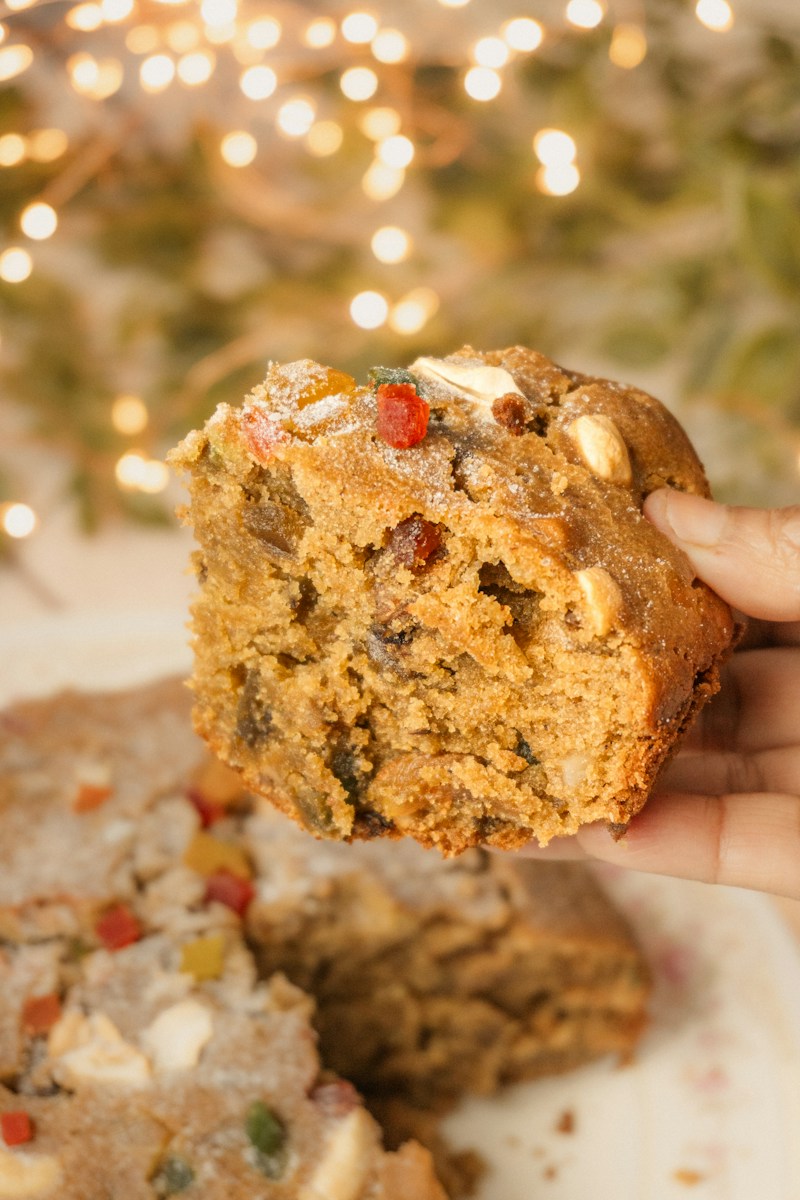
Fruitcake has become such a reliable punchline that its reputation practically precedes it, yet it still shows up at holiday gatherings every year as though tradition alone should be enough to make people enjoy it. The dense, candied-fruit-studded loaf, sometimes soaked in liquor and aged for weeks, has a texture and flavor profile that a lot of people find genuinely off-putting rather than charmingly old-fashioned. Plenty of hosts keep serving it anyway because it feels like part of the seasonal ritual, and plenty of guests keep politely accepting a slice because refusing feels like refusing the holiday spirit itself, even when the cake ends up mostly untouched by the end of the night.
Black Licorice
Black licorice inspires one of the more sharply divided reactions in the entire candy aisle, with a real chemical basis behind the divide since the compound that gives it its distinctive flavor, anethole, registers very differently across individual palates. Despite that divide, black licorice maintains an air of sophisticated, old-world candy status that keeps it in circulation at holiday parties and nostalgic candy dishes, even though a significant share of people who take a piece out of politeness quietly spit it into a napkin the moment no one’s looking. It’s rare for a candy to be simultaneously beloved by a devoted minority and genuinely disliked by so many others while still managing to show up everywhere.
Mincemeat Pie
Mincemeat pie carries centuries of holiday tradition behind it, but the actual filling, a mix of dried fruit, spices, and historically some form of meat or suet, tends to strike modern palates as an odd combination rather than a comforting one. Many people serve it purely out of family tradition, sometimes without particularly liking it themselves, simply because it was always on the table growing up and skipping it feels like skipping a piece of the holiday. The gap between how often it’s discussed as a classic and how often people actually finish a full slice suggests a lot of quiet politeness is propping up its reputation more than genuine enthusiasm.
Caviar
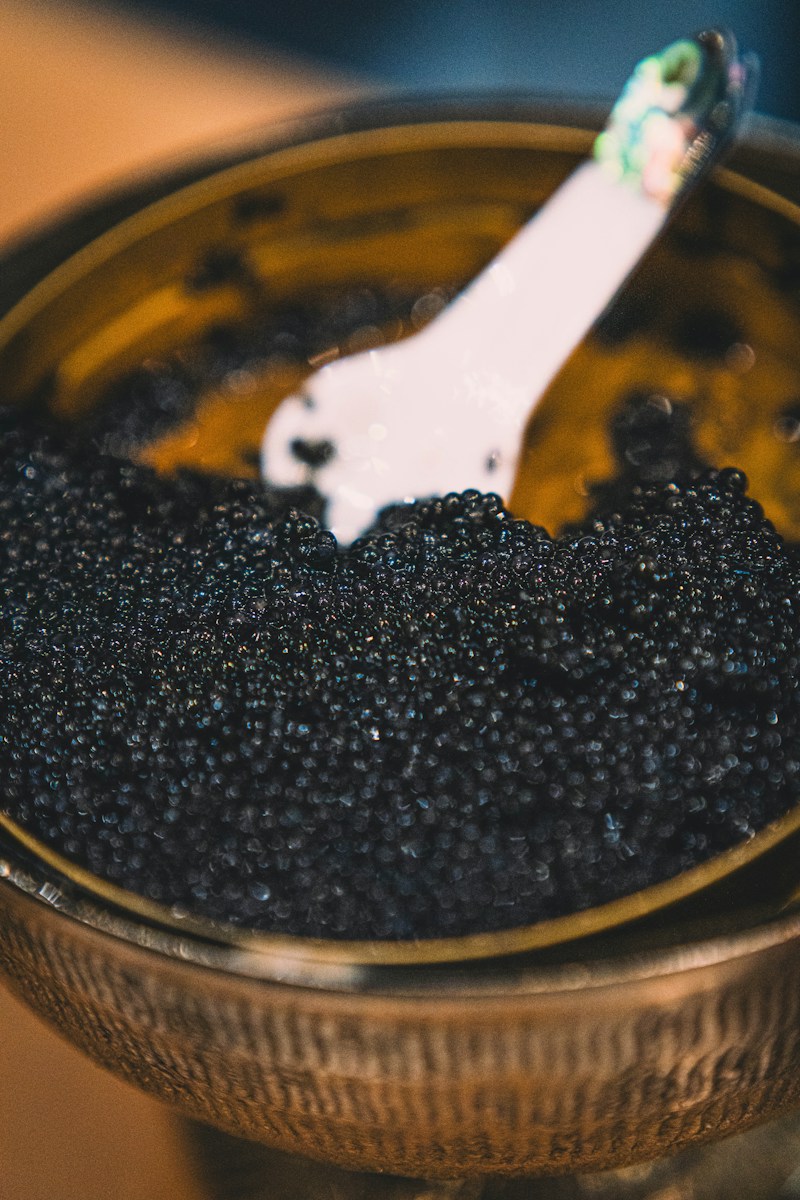
Caviar occupies a strange cultural position where liking it functions almost as a status symbol independent of whether a person actually enjoys the briny, intensely fishy flavor and the distinctive popping texture of the roe itself. Plenty of people order it at a special occasion dinner specifically because it feels like the sophisticated thing to do, then find themselves underwhelmed or even mildly repulsed once the reality of the flavor sets in. Because admitting dislike of an expensive delicacy can feel like admitting a lack of refinement, a lot of that disappointment goes unspoken, leaving caviar’s reputation as a universal luxury largely intact despite a meaningful number of people who’d honestly rather skip it.
Kombucha
Kombucha’s rise as a wellness staple has made it something people feel obligated to enjoy, or at least tolerate enthusiastically, given its association with gut health and general self-care virtue. The vinegary tang and occasional funky, almost fermented-sock quality of certain batches is a genuine turnoff for a lot of first-time and even repeat drinkers, who keep buying it anyway because of the perceived health benefits rather than because they crave the taste. Social settings where kombucha shows up, like health-focused gatherings or trendy cafes, add a layer of pressure to express enthusiasm that doesn’t always match what’s actually happening on a person’s tongue.
Oysters on the Half Shell
Oysters carry a reputation as the ultimate indicator of an adventurous, refined palate, which puts real pressure on people at a raw bar to perform enjoyment even when the slippery texture and intensely oceanic flavor genuinely doesn’t work for them. Unlike many acquired tastes that eventually click, oysters remain a permanent dealbreaker for a meaningful share of people who try them multiple times specifically because everyone insists they’ll eventually come around. The social setting matters here too, since oysters are so often eaten in group settings at happy hour or a special dinner, which makes quietly declining or grimacing through a shell feel more awkward than it would with a private meal at home.
Fruit-Studded Gelatin Salads
Gelatin salads loaded with suspended fruit, sometimes with marshmallows or shredded carrot mixed in, remain a fixture at potlucks and holiday tables largely out of tradition rather than genuine widespread enthusiasm for the wobbly, oddly textured combination. Many people who bring one to a gathering do so because it was a beloved dish from a parent or grandparent, and criticizing it can feel like criticizing a piece of family history rather than just a dish. The result is a lot of polite small servings taken and mostly left on the plate, with the dish’s continued presence at gatherings owing more to sentimental obligation than to people actually finishing their portion.
Anchovies
Anchovies get treated as a mark of an advanced palate in certain culinary circles, showing up as the secret ingredient chefs love to reveal after the fact in a Caesar dressing or a puttanesca sauce, but the intensely salty, fishy flavor on its own remains a genuine dealbreaker for a large share of eaters even among people who consider themselves adventurous. A lot of the praise anchovies receive is really praise for how they disappear into a sauce rather than enthusiasm for eating a whole fillet on its own, which creates a slightly misleading impression that more people love the actual fish than genuinely do.
Fermented Foods Like Natto
Certain fermented foods, natto being a particularly strong example, have picked up a health-halo reputation that pressures people into trying and re-trying them well past the point where most would otherwise give up. The sticky texture and pungent, distinctive smell of natto specifically remains a significant barrier even for people determined to like it for the sake of gut health or cultural curiosity, and plenty of people who keep buying it do so more out of a sense of nutritional duty than actual craving. The gap between how often it’s recommended and how often people genuinely enjoy eating it is one of the wider ones in the fermented food world.
Eggnog
Eggnog occupies a strange seasonal niche where its heavy, custardy texture and pronounced nutmeg flavor get treated as an essential holiday tradition, even though a significant number of people find it cloying or simply too rich to drink more than a small cup of. Part of its staying power comes from nostalgia and the fact that it’s only available for a short window each year, which makes people feel obligated to partake before it disappears again, regardless of whether they actually crave the flavor the rest of the time. Plenty of people pour a small ceremonial glass at a holiday gathering and quietly leave most of it unfinished, treating the tradition itself as the point rather than the drink.