Every kitchen has a quiet history written into it, and a lot of that history has simply vanished from regular rotation without anyone formally deciding to retire it. Foods that once showed up on the table multiple times a week, tied to a specific season, a specific budget, or a specific way of stretching ingredients further, have slowly faded as grocery habits, appliances, and available ingredients changed around them.
None of these dishes disappeared because they were bad. Most of them made a lot of practical sense for the households that relied on them, and plenty are genuinely worth a second look today. Here are nine foods that used to be everyday staples and have since become something closer to a museum piece.
Head Cheese
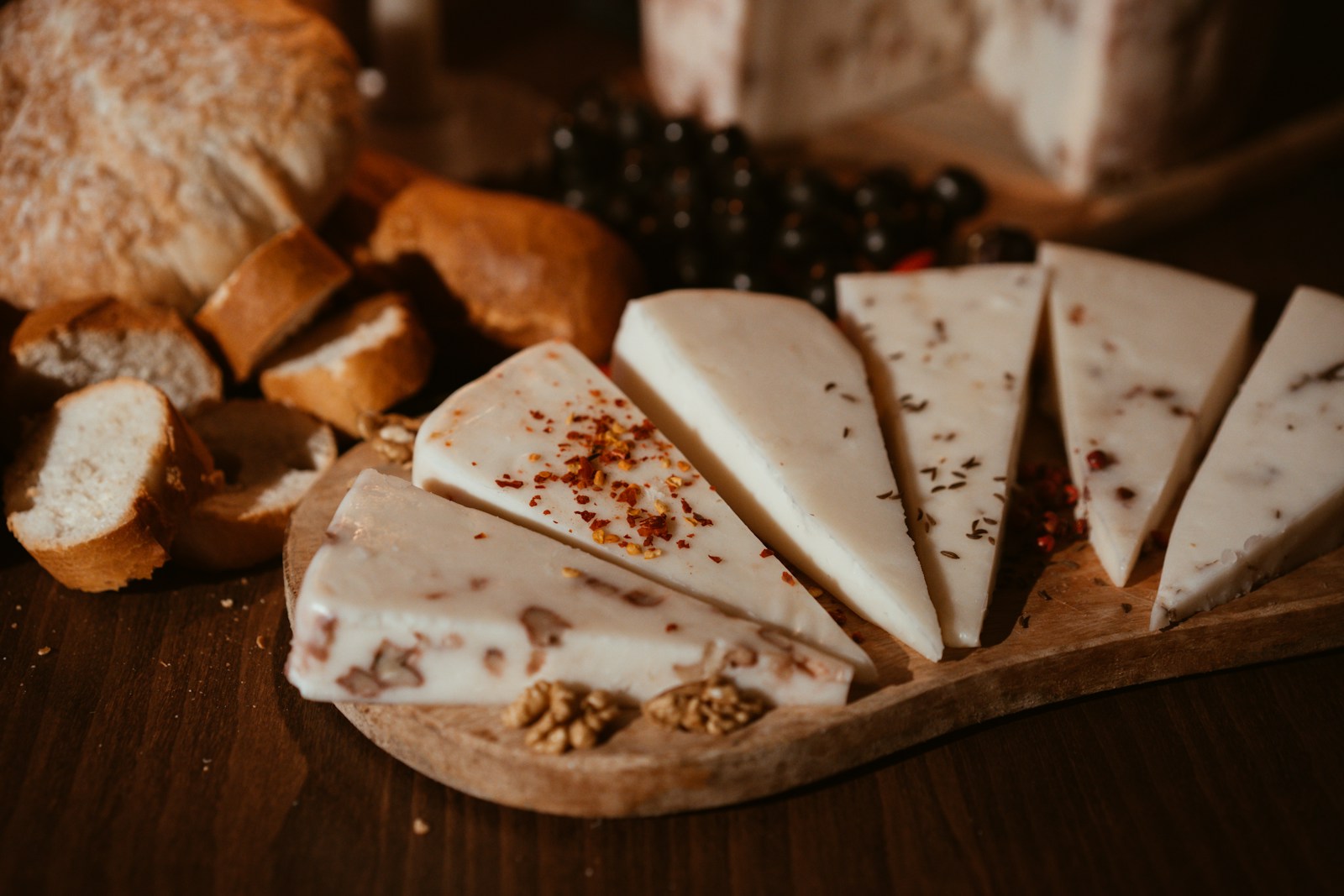
Head cheese, a savory terrine made from the meat of a pig’s head set in its own gelatin, was once a practical way to use every part of an animal after butchering, common in households that raised or purchased whole animals rather than pre-packaged cuts. It required no actual cheese at all, just patience and a willingness to work with parts of the animal that modern grocery shopping has largely made unnecessary to deal with directly. As whole-animal butchery moved out of most households and into specialized shops, head cheese slipped out of the regular rotation along with the skills and equipment needed to make it, surviving mostly in specific ethnic delis and old-school butcher shops rather than home kitchens.
Scrapple
Scrapple, a pan-fried loaf made from pork scraps, cornmeal, and spices, was a Pennsylvania Dutch breakfast staple born directly out of the same use-every-part-of-the-animal thinking behind head cheese. It remains genuinely beloved in pockets of the mid-Atlantic region, but outside of that specific geography, it’s largely unknown to younger generations who grew up with bacon and sausage as the default breakfast meats. Making it at home requires a level of comfort working with organ meats and scraps that fewer home cooks have today, which has pushed it toward specialty producers rather than a dish families make from scratch themselves.
Milk Toast
Milk toast, simply buttered toast soaked in warm milk and sometimes sweetened with a little sugar, was a common invalid food and simple breakfast for generations who valued its gentle, easy-to-digest qualities, particularly for children, the elderly, or anyone recovering from illness. It required almost no ingredients or effort, which made it a practical staple during leaner economic times, but as breakfast options diversified and processed cereal became widely available and heavily marketed, milk toast fell out of favor as feeling more like deprivation food than comfort food to younger generations who had other options.
Pickled Pigs’ Feet
Pickled pigs’ feet, preserved in a vinegar brine and often eaten cold straight from the jar, were once a common snack and bar food, again tracing back to whole-animal butchery practices that made use of every cut rather than discarding less popular parts. The dish still has dedicated fans in certain regions and cultural traditions, but it’s largely disappeared from mainstream grocery shelves and bar menus as tastes shifted toward more conventional snack foods. Younger eaters who encounter a jar of them in an older relative’s pantry often react with more curiosity or mild alarm than genuine interest in trying one.
Liver Pudding and Liver Mush
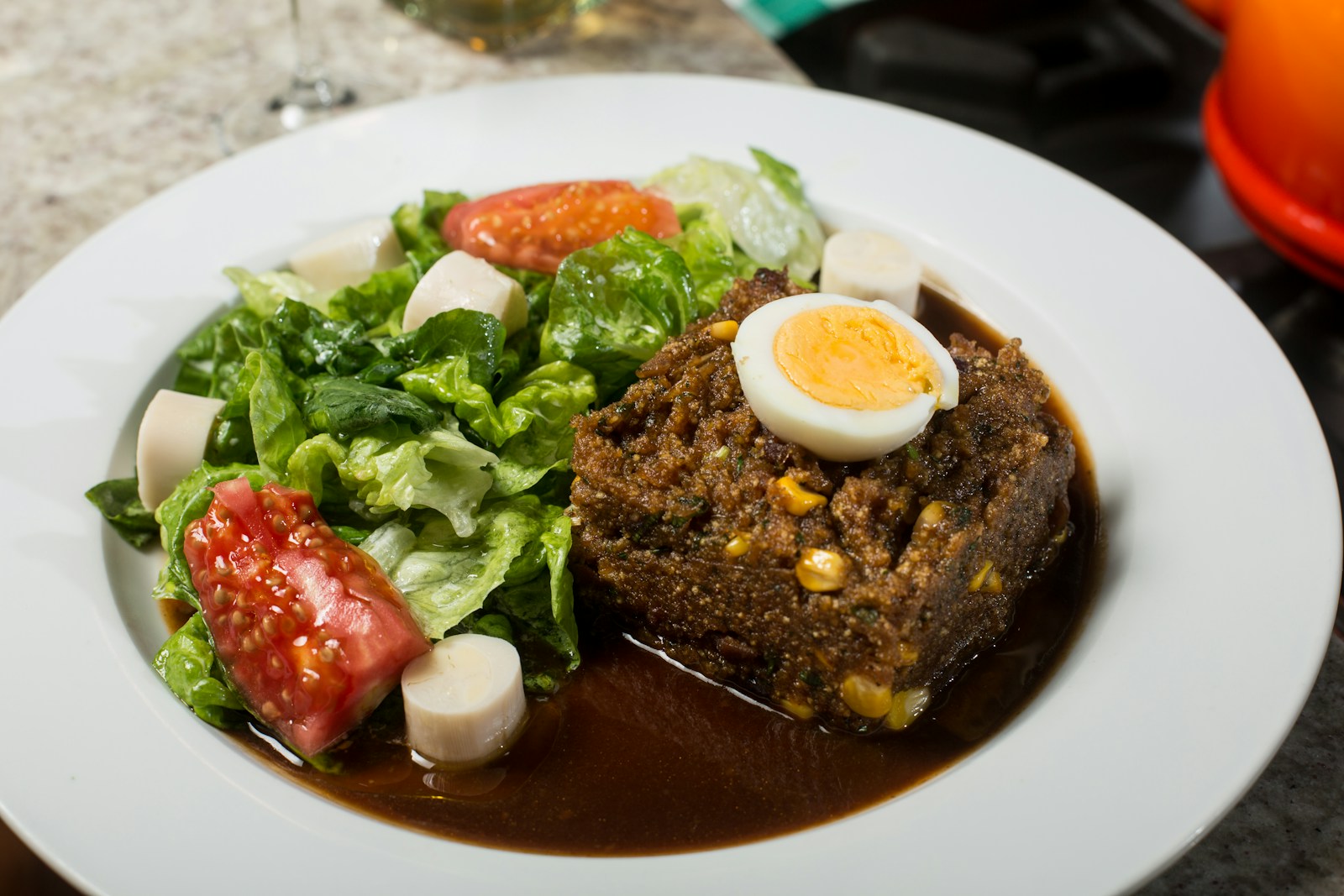
Regional specialties like liver pudding and liver mush, made from pork liver, cornmeal, and seasonings formed into a loaf and sliced for frying, were breakfast staples in parts of the American South for generations, valued as an affordable, filling way to use organ meat that might otherwise go to waste. These dishes still have loyal followings in specific regions, but they’ve never expanded much beyond their original geography and have become increasingly unfamiliar to younger eaters even within the regions where they originated, as breakfast habits shift toward more universally available options like sausage and bacon.
Suet Pudding
Suet pudding, a steamed or boiled dessert made using beef or lamb fat as its primary binding fat rather than butter, was a British and early American tradition that made practical use of a byproduct from butchering that otherwise had limited culinary use. As butter and other fats became more accessible and refrigeration made ingredient storage easier, suet fell out of favor as an everyday baking ingredient, taking suet pudding down with it outside of a small number of traditional holiday recipes, like some versions of British Christmas pudding, that have managed to survive as a once-a-year nostalgic exception.
Canned Brains and Scrambled Brains
Calf or pork brains, sometimes sold canned, were scrambled with eggs as a genuinely common breakfast dish for earlier generations who saw it as simply another affordable protein rather than anything unusual. Growing awareness of health concerns tied to organ meats, combined with changing food safety regulations and a general cultural shift away from organ meat consumption in mainstream American cooking, has made the dish almost entirely disappear from grocery shelves and breakfast tables alike. It now shows up mostly as a historical curiosity referenced in old cookbooks rather than something anyone under retirement age has ever actually tried.
Chow Chow Relish
Chow chow, a tangy, chunky relish made from a mix of chopped vegetables like green tomatoes, cabbage, and peppers preserved in a vinegar brine, was once a staple pantry item that let households use up end-of-season garden produce before the first frost. Home canning itself has become far less common as a routine household activity, and with it, the practice of putting up jars of chow chow every fall has faded significantly outside of specific rural and Southern communities that have kept the tradition alive. It remains a beloved condiment where it survives, but it’s largely disappeared from households that no longer can their own vegetables at the end of summer.
Junket
Junket, a simple milk-based dessert set with rennet into a soft, custard-like texture, was a common homemade treat and even a marketed commercial product for much of the twentieth century, valued for how quickly and cheaply it could be made with minimal ingredients. As more elaborate and widely marketed desserts like packaged pudding mixes and ready-made ice cream became cheap and convenient, junket’s simple, mild flavor couldn’t compete for attention, and it faded from grocery shelves and home kitchens alike. Most people under middle age today have never heard of it at all, let alone tasted the mild, slightly eggy flavor that once made it a nightly treat in a lot of households.