

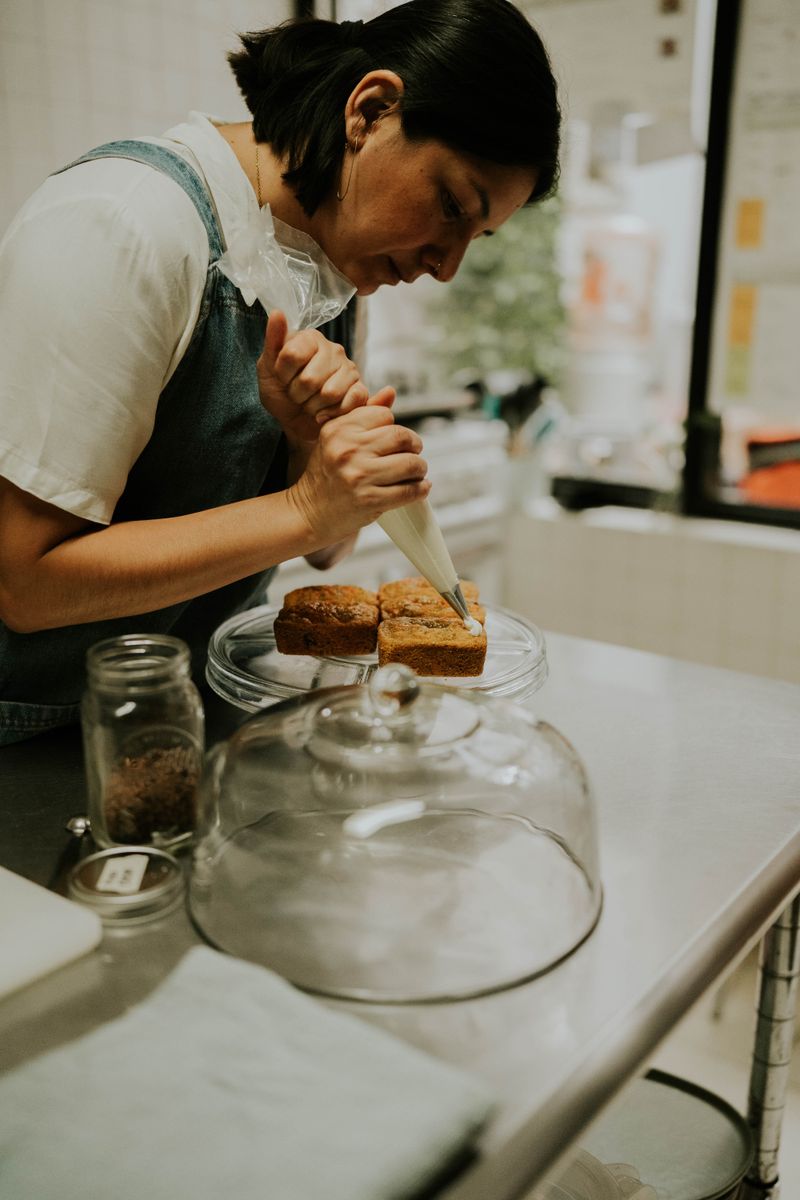
This video follows a creator stepping into a baking class not primarily to learn new techniques, but as a deliberate, documented attempt to push past her own long-standing insecurities, turning a hobby class into something closer to a personal challenge.
She’s candid about the discomfort of being a beginner in a room full of strangers, the fear of visibly failing at something in public, the self-consciousness that so often keeps people from trying new things well into adulthood. None of that is edited out; it’s actually the center of the story.
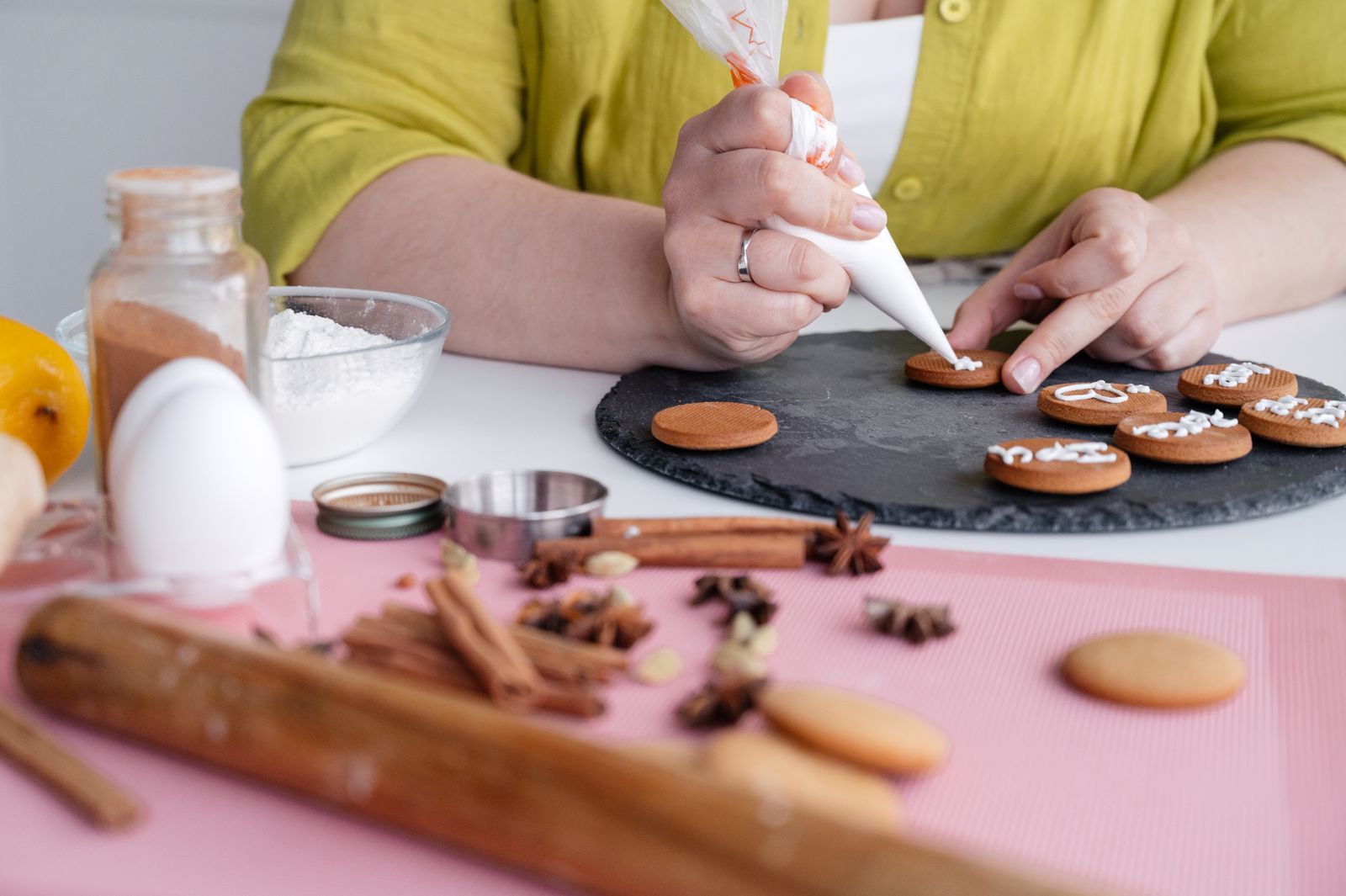
There’s something quietly radical about filming the awkward, uncertain middle of learning a new skill rather than only sharing the polished end result. Most baking content online skips straight to confident expertise, which can make it feel inaccessible to anyone still struggling with the basics. This video does the opposite, lingering in the uncomfortable beginner phase on purpose.
Adult learning carries a particular kind of vulnerability that childhood learning doesn’t. Kids are expected to be bad at new things; it’s built into the social contract of being young. Adults, by contrast, often internalize the idea that they should already be competent at everything, which makes trying something unfamiliar, and potentially failing at it in front of others, feel disproportionately risky.
Baking specifically carries high stakes for a beginner because it’s unforgiving in a way that other creative pursuits aren’t. A mismeasured ingredient or an overworked dough can doom a recipe in ways that are immediately, visibly obvious, which makes a baking class a particularly pointed choice for someone looking to confront a fear of public failure head-on.
This kind of content taps into a broader wellness trend around deliberately choosing discomfort as a form of personal growth, sometimes described as doing one thing that scares you, or simply showing up as a beginner without needing to be good at something right away. That framing has resonated widely because it offers a low-stakes, accessible entry point into a much larger conversation about perfectionism and self-worth.
There’s also a specific kind of community that tends to form in a physical class setting that’s harder to replicate solo. Baking alongside strangers who are all equally unsure of themselves creates a shared vulnerability that can be genuinely bonding, which is part of why in-person classes, rather than solo tutorials, have become an increasingly popular setting for this kind of personal growth content.
Comment sections under videos like this tend to fill with people sharing their own insecurities around trying new things in public, along with encouragement for the creator specifically. There’s a real appetite among audiences for content that normalizes being a beginner, especially from creators who are willing to show the nerves alongside the eventual progress.
By the end of the video, whatever she actually baked matters less than the fact that she showed up, stayed in the room, and let herself be seen attempting something new. That’s the real takeaway, and it’s one that applies well beyond the specific context of a baking class.
There’s a specific kind of courage required to document the uncertain, unfinished middle of learning something new, rather than waiting until there’s a polished result worth sharing. That choice says something meaningful about how this creator approaches growth generally, valuing the process enough to let it be seen before it’s resolved into something impressive.
This kind of content also offers real, practical reassurance to anyone who has avoided trying something new specifically because they’re afraid of looking inexperienced in front of other people. Watching someone navigate that exact fear in real time, camera rolling, strangers watching, and come out the other side having simply tried, regardless of the outcome, tends to land as genuinely motivating rather than just entertaining.
There’s also a quiet argument here about where self-worth should and shouldn’t be tied. Choosing to frame a new skill as a vehicle for confidence rather than as a referendum on competence reflects a healthier, more sustainable relationship with trying new things than the all-or-nothing mindset that keeps a lot of people from ever starting in the first place.
For readers interested in building more of this kind of intentional challenge into their own routines, the lesson here isn’t really about baking specifically. It’s about identifying one small, low-stakes arena where showing up imperfectly might matter more than succeeding immediately.
It’s also worth noting how much this kind of vulnerability tends to invite reciprocal honesty from an audience. Viewers who might never admit their own insecurities unprompted often find themselves doing exactly that in the comments, once someone else has modeled what it looks like to say the hard thing plainly and without excessive self-criticism.
For the Cultivated Comfort reader thinking about their own relationship to trying new things, this kind of content offers a useful, low-pressure template: pick something specific, show up imperfectly, and let the growth matter more than the immediate result, exactly the approach modeled here.
It’s worth stepping back, too, to consider why a platform like Instagram has become such fertile ground for this exact kind of storytelling in the first place. The format rewards brevity, but it doesn’t punish depth, which means a creator willing to pack real substance into a short runtime can still build something that resonates far beyond the usual fifteen seconds of attention most content gets. That tension between short-form constraints and genuine emotional or comedic payoff is part of what makes a clip like this worth stopping for in a feed otherwise built for scrolling past.
There’s also a reason this kind of post tends to travel well beyond its original audience, reaching people who may never have come across the creator’s account otherwise. A specific, well-told moment, whether funny, tender, or simply honest, has a way of getting shared directly between friends and family members precisely because it says something that feels worth passing along, rather than just worth watching once.

