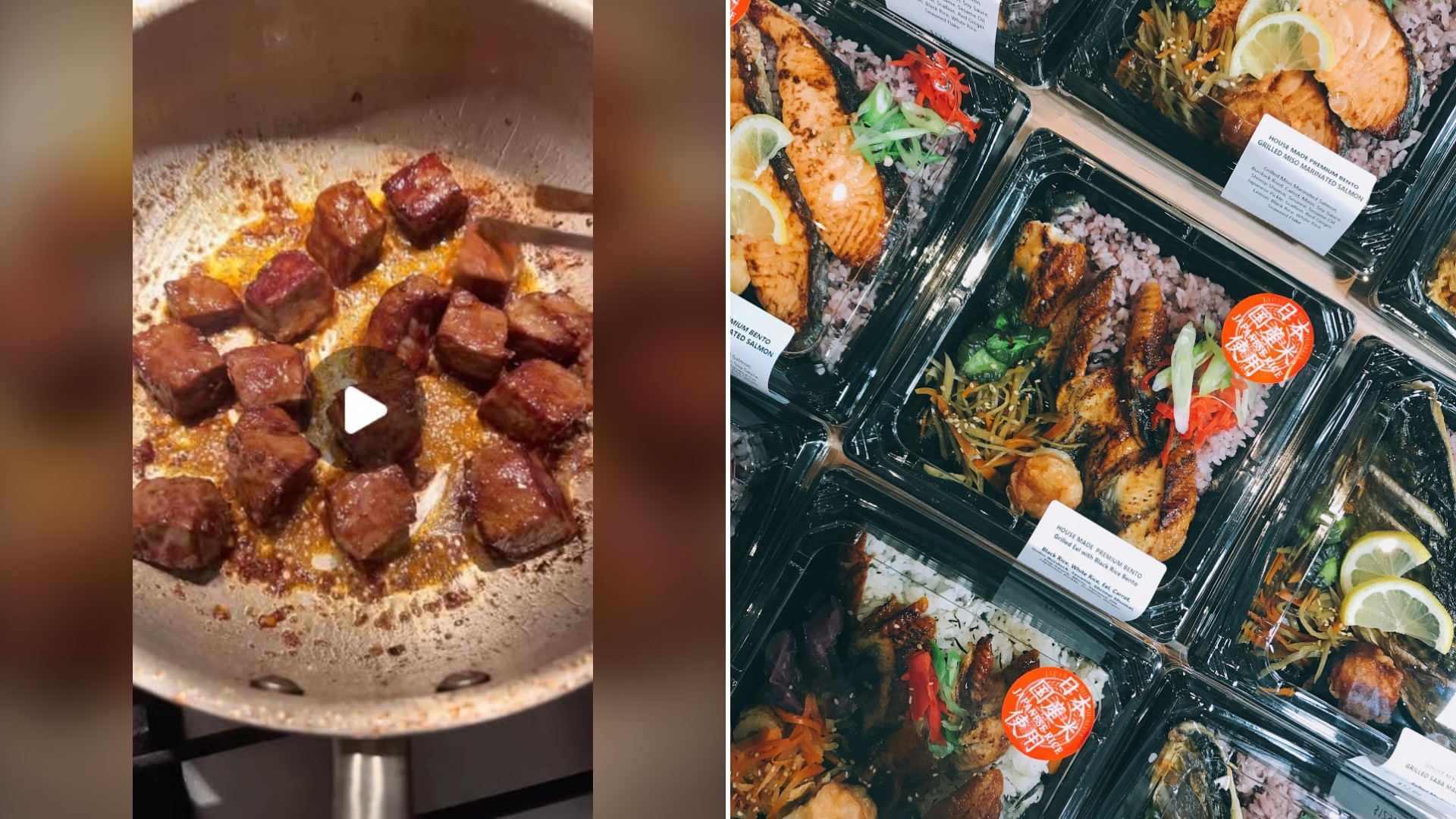
Creator @cupofliv spent what looks like a serious chunk of her morning building her husband an elaborate, nourishing bento-style lunch: neatly sectioned proteins, vegetables, rice, the kind of lunch that would make anyone’s coworkers jealous. The video walks through the careful prep, compartment by compartment, before cutting to the reality of what actually came home at the end of the day: a container with half the food untouched, picked at rather than eaten the way it was clearly meant to be.
The contrast between the effort and the outcome is exactly what has made the video resonate with over 226,000 people who liked it. It taps into something a lot of long-term partners recognize: the gap between the care you put into a gesture and how much of that care actually registers on the receiving end, especially when the gesture is something as routine and unglamorous as a packed lunch.
Bento-style lunches have become one of the most popular meal-prep formats in the last few years, largely because the compartmentalized layout makes portion control and variety easy without much extra thought. A typical build includes a starch like rice or noodles, a protein, usually two vegetables, and a small treat or pickled item tucked into a corner. Nutritionists who recommend the format point out that the visual separation actually helps people eat more balanced meals, since it’s harder to accidentally skip the vegetable section when it has its own dedicated spot.
The time investment, though, is real. Home cooks who build these lunches regularly estimate anywhere from 20 minutes for a simple version to well over an hour for one with multiple cooked components, like the one shown in the video. Batch-prepping proteins and grains on a Sunday is the most common workaround, since it cuts daily assembly down to just plating, but even then, the daily effort of making a lunch look that composed takes real intention.
As for why a carefully built lunch might come back half-eaten, there are more mundane explanations than a lack of appreciation. Busy workdays, back-to-back meetings, and simply not having time for a proper lunch break are common culprits, and plenty of people who’ve been on the receiving end of a similar video insist it’s not personal. Still, the emotional sting of seeing your effort returned untouched is real, and it’s part of why so many viewers immediately related to the video rather than needing it explained.
Couples counselors who work with partners on everyday relationship friction often point to small domestic gestures like meal prep as a recurring source of quiet resentment, not because either partner means harm, but because the labor involved in something like a bento lunch is largely invisible unless it’s acknowledged out loud. A short text mid-afternoon, even just “this lunch was amazing,” tends to go a long way toward making that kind of effort feel worth repeating.
For anyone inspired to start packing more composed lunches at home, the easiest entry point is a divided container, which removes most of the guesswork around portioning. From there, rotating two or three pre-cooked proteins through the week, paired with whatever vegetables are already prepped, keeps the daily build quick. And whether or not the lunch comes home fully eaten, the ritual of making it tends to matter to the person doing the packing just as much as what ends up in the container.
More from Cultivated Comfort
- Food Vlogger Says His Local Friends Laughed at a Mexico City Stall Selling Hand Made Dinosaur Quesadillas, Then Calls the Chicharron Prensado Filling Absolutely Insane
- Traveler Opens a Video by Calling Serbia Dangerous, Then Admits in the Caption It Is Satire and Shows a $1 Bakery Pastry, a Plate of Cevapi and a Riverside Bike Ride
- Man Filming Inside Costco Says a $330 Disneyland Bundle With a Two Day Park Hopper, a Lightning Lane Pass and a $60 Dining Credit Saves a Family of Four $980, Then Shows the Math