Making tamales from scratch is a labor-intensive project even under the best circumstances, which is what makes a recent TikTok from @iamuniquedaily stand out. The creator documents making a full batch of chicken tamales for her husband while still actively recovering from a recent surgery, refusing to let her recovery slow down the process.
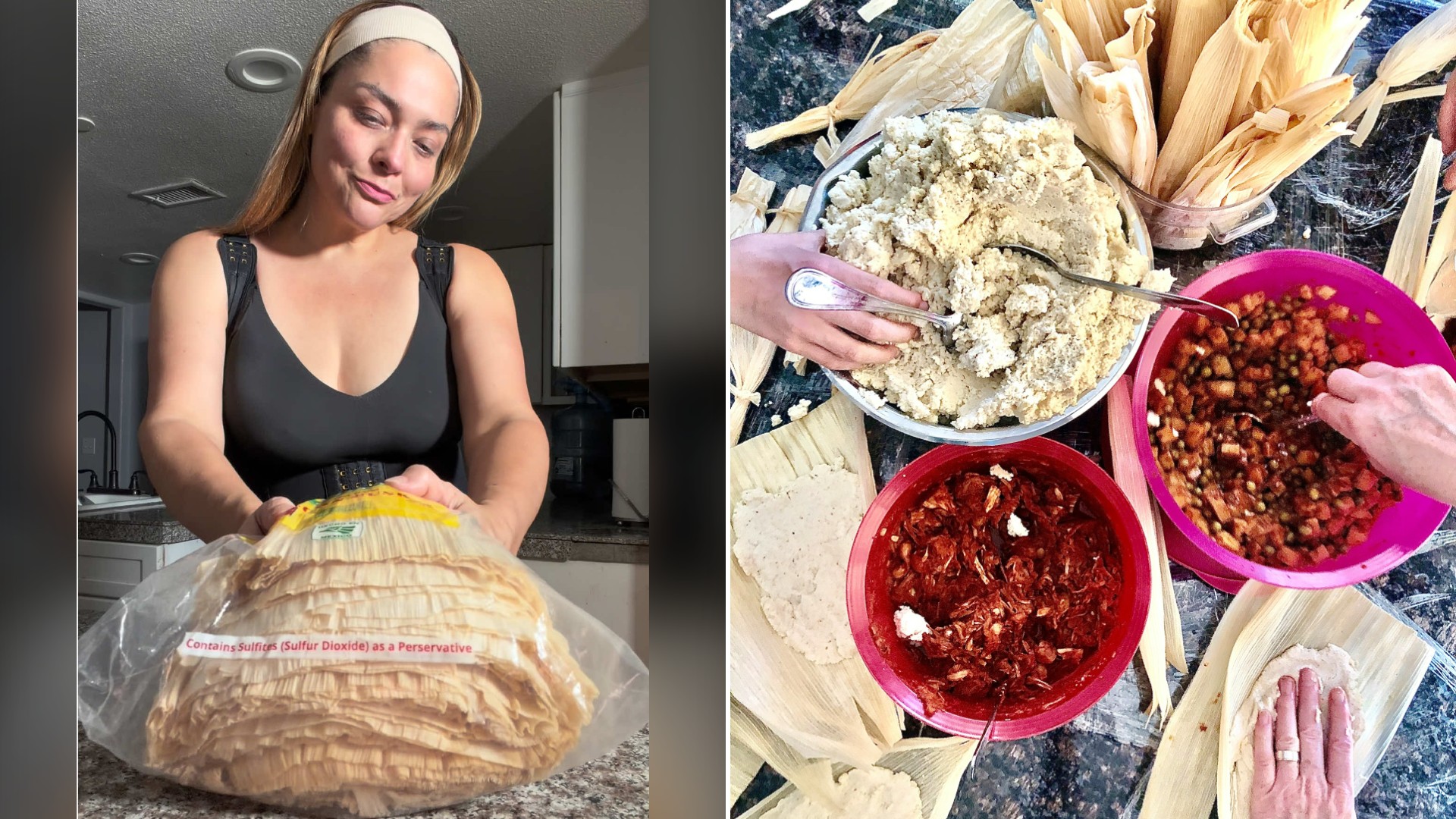
The video does not dwell on the hardship. Instead, it shows the steady, methodical work that tamale-making requires: preparing the masa, seasoning the chicken filling, and wrapping each one by hand in a corn husk, all carried out at whatever pace her recovery allows.
@iamuniquedaily
Tamales are one of the more time-intensive traditional dishes still commonly made at home, and that labor is part of what makes them special. The process typically starts with nixtamalized corn masa, beaten with lard or oil until light and spreadable, then layered with a seasoned filling, here chicken, and wrapped tightly in a soaked corn husk before steaming for an hour or more. Making them well requires patience at nearly every step, from getting the masa’s texture right to folding each husk so the filling stays sealed during steaming.
Because of that labor, tamales are traditionally made in large batches, often as a group activity called a tamalada, where family members divide up tasks like spreading masa, filling, and folding to get dozens made in an afternoon. Making a batch solo, especially while recovering from surgery, multiplies the effort considerably, which is exactly why this kind of video resonates with viewers who understand the dish’s demands firsthand.
Cooking through a physical recovery is its own balancing act. Most post-surgical guidance emphasizes rest, limited lifting, and avoiding repetitive strain, all of which run directly against the physical demands of a long cooking project that involves standing, kneading, and repetitive hand motion. Anyone in a similar position who still wants to cook through recovery is generally better served breaking a labor-intensive recipe into shorter sessions across a day or two, sitting while doing tasks like filling and folding, and accepting help with the more physically demanding steps like kneading masa or lifting a full steamer pot.
There is also a simpler emotional read on why this video connects. Cooking a labor-intensive dish for a partner is its own quiet act of care, and doing so while not fully recovered adds a layer of determination that turns a recipe video into something closer to a small act of devotion. It reframes an ordinary kitchen project as evidence of how far someone will go for the people they love, even when their body is telling them to slow down.
For home cooks inspired to try tamales themselves, starting smaller is the easiest way in. A half batch, using pre-made masa from a Latin grocery store rather than nixtamalizing corn from scratch, cuts both the time and physical effort dramatically while still producing an authentic result. Tamales also freeze exceptionally well once steamed, so even a modest batch can be portioned out and reheated over the following weeks, which makes the upfront effort pay off well beyond the day they are made.
More from Cultivated Comfort
- Food Vlogger Says His Local Friends Laughed at a Mexico City Stall Selling Hand Made Dinosaur Quesadillas, Then Calls the Chicharron Prensado Filling Absolutely Insane
- Traveler Opens a Video by Calling Serbia Dangerous, Then Admits in the Caption It Is Satire and Shows a $1 Bakery Pastry, a Plate of Cevapi and a Riverside Bike Ride
- Man Filming Inside Costco Says a $330 Disneyland Bundle With a Two Day Park Hopper, a Lightning Lane Pass and a $60 Dining Credit Saves a Family of Four $980, Then Shows the Math