Food trucks that go viral tend to draw crowds fast, and Houston’s hibachi truck is no exception. @hibachibroshtx pays the spot a visit, showing the behind-the-scenes prep work that goes into each order and getting the chef to point out his own personal favorite dish on the menu.
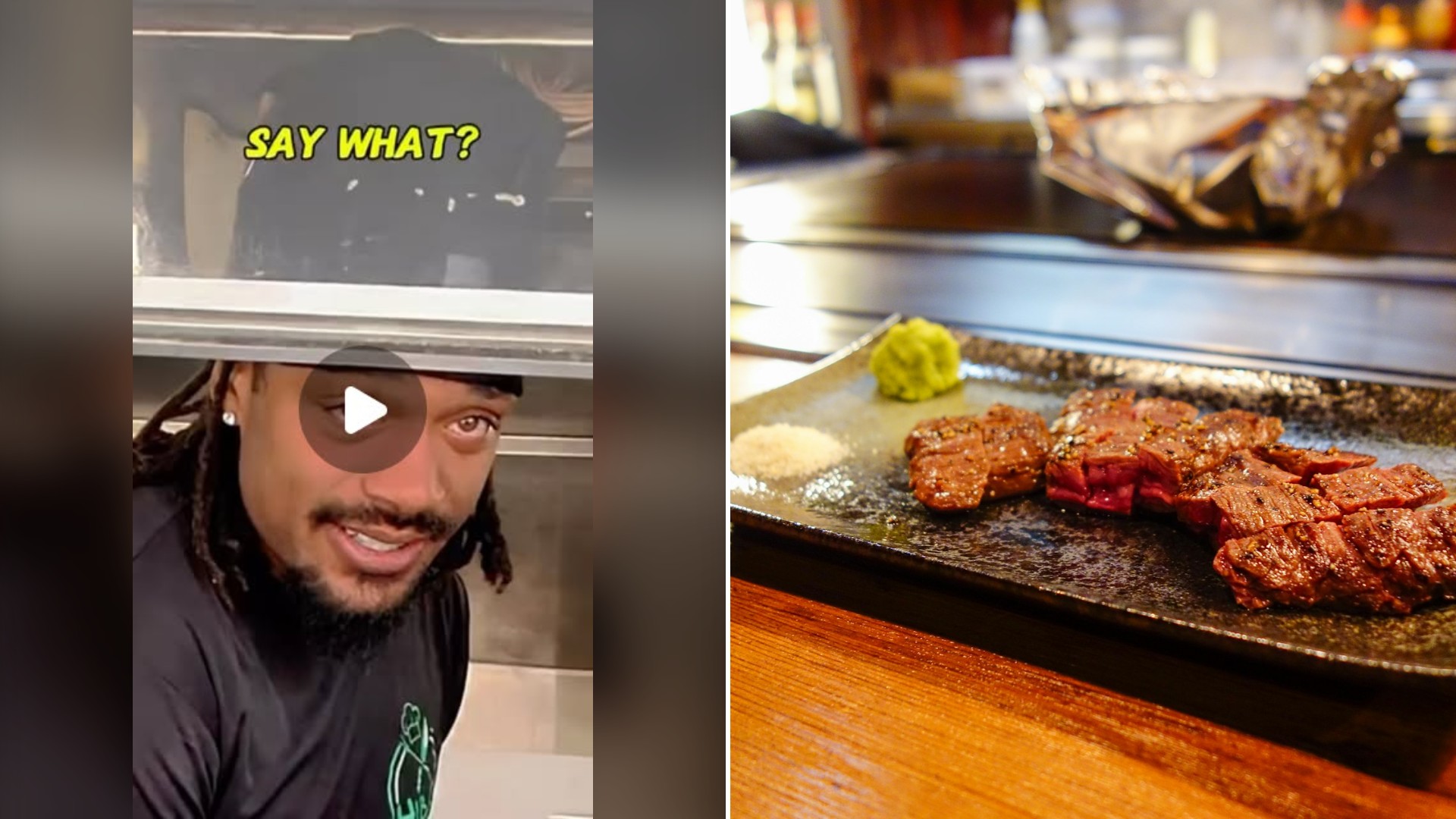
The video has pulled in 107,000 views, with the specific location detail doing a lot of heavy lifting here. Unlike a lot of food content that’s purely aspirational, a video naming an actual truck in an actual city gives local viewers a concrete destination to add to their list, which is exactly the kind of shareable, actionable content that tends to spread fastest within a region.
Hibachi-style cooking out of a food truck presents a unique set of logistical challenges that a traditional restaurant kitchen doesn’t have to deal with. High-heat flat-top cooking requires serious ventilation and careful fuel management in a confined mobile space, and chefs working this format have to prep ingredients with military precision ahead of time since there’s rarely room to improvise mid-rush the way a full kitchen allows.
That makes the behind-the-scenes prep footage in a video like this one especially valuable to watch. Seeing proteins and vegetables chopped, portioned and staged before the lunch rush even starts reveals just how much of hibachi’s signature speed comes down to preparation rather than pure cooking skill in the moment — something that’s easy to underestimate when all you see is the finished, sizzling plate.
Food trucks that reach viral status also face a very real operational test once the attention hits. A sudden surge in demand can blow through a day’s worth of prepped ingredients in a fraction of the usual time, and trucks that can’t scale fast enough sometimes end up running out of food early or cutting their hours short, frustrating the very customers the viral moment was supposed to bring in.
Letting the chef highlight his own favorite dish, rather than just pushing the most popular menu item, adds a layer of authenticity that savvy viewers tend to pick up on quickly. It signals a level of personal investment in the food that goes beyond simply running a business, and it gives potential customers a genuine recommendation from the person who knows the menu best, rather than just chasing whatever dish has the most likes.
For anyone planning to track down a viral food truck themselves, a little flexibility goes a long way. Trucks don’t keep the same fixed hours a restaurant does, and a sudden spike in online attention can mean longer lines or an earlier sellout than usual, so checking a truck’s social media for same-day updates before heading out is generally a smarter move than just showing up and hoping for the best.
More from Cultivated Comfort
- Food Vlogger Says His Local Friends Laughed at a Mexico City Stall Selling Hand Made Dinosaur Quesadillas, Then Calls the Chicharron Prensado Filling Absolutely Insane
- Traveler Opens a Video by Calling Serbia Dangerous, Then Admits in the Caption It Is Satire and Shows a $1 Bakery Pastry, a Plate of Cevapi and a Riverside Bike Ride
- Man Filming Inside Costco Says a $330 Disneyland Bundle With a Two Day Park Hopper, a Lightning Lane Pass and a $60 Dining Credit Saves a Family of Four $980, Then Shows the Math